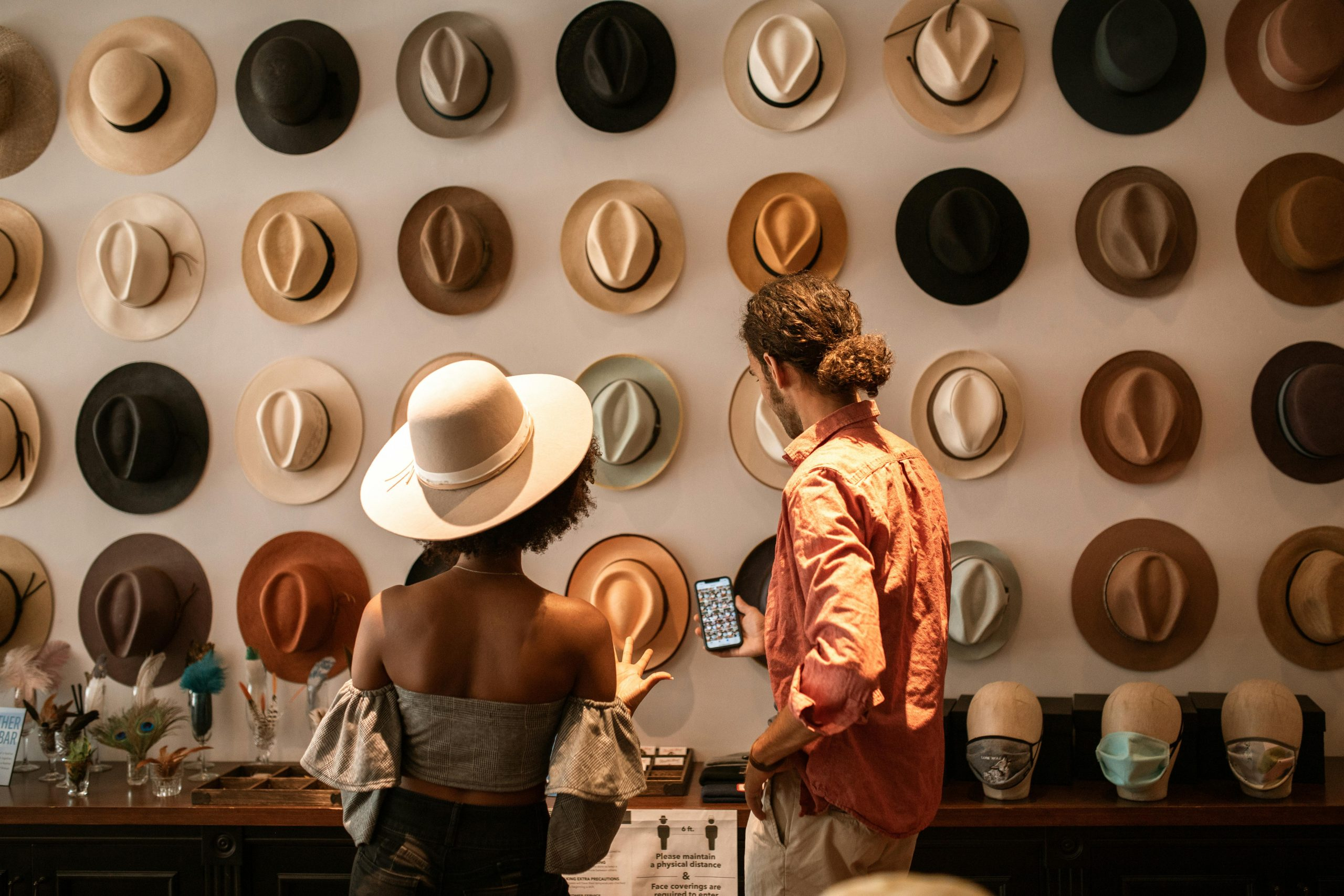
In today’s fast-paced world, consumers are constantly seeking personalized experiences in every aspect of their lives. This has led to a shift in the retail industry, as more and more companies are recognizing the importance of customization in attracting and retaining customers. From clothing to technology, the demand for personalized products is on the rise, making customization the next big thing in retail. In this article, we’ll explore why customization is becoming a key trend in the retail sector and how it can benefit both consumers and businesses.
The Rise of Customization in Retail
In the past, retail was all about mass production and offering the same products to every consumer. However, with the advancement of technology and the increasing popularity of e-commerce, consumers now have access to a wider range of products and can easily compare prices and quality. As a result, retailers have had to find new ways to differentiate themselves from their competitors and appeal to modern consumers.
Enter customization. By offering personalized products, retailers are able to provide a unique and tailored shopping experience to their customers. From customizing the fit, color, and fabric of clothing to creating one-of-a-kind technology products, customization allows consumers to express their individuality and stand out from the crowd. This trend has been embraced by both small and large retail businesses, and its impact on the industry is undeniable.
The Benefits of Customization in Retail
Creating a Personalized Experience for Customers
One of the main benefits of customization in retail is its ability to create a personalized experience for customers. In a world where everything is mass-produced, consumers are drawn to products that are specially made for them. Whether it’s adding a monogram to a handbag or designing a pair of sneakers with unique patterns and colors, customization allows consumers to make products their own and feel connected to the brand.
Increasing Customer Loyalty
In today’s competitive retail landscape, brand loyalty is crucial for business success. By offering personalized products, retailers can build a strong emotional connection with their customers, leading to increased loyalty and repeat purchases. As consumers invest time and effort into creating their own unique products, they are less likely to switch to another brand, making customization a valuable tool for customer retention.
Reducing Wastage and Environmental Impact
In traditional retail, a significant amount of wastage is generated due to mass production and excess inventory. By offering customizable products, retailers can reduce wastage and minimize their environmental impact. With consumers only purchasing what they need, there is less excess stock to dispose of, making customization a sustainable approach to retail.
The Future of Customization in Retail
The customization trend is still in its early stages and is expected to grow even more in the coming years. With advancements in technology, customization will become more accessible and affordable, making it a standard in the retail industry. We can expect to see a wider range of personalized products being offered, including furniture, home decor, and even food and beverages.
Moreover, customization will not only be limited to individual consumers but also extend to businesses. B2B customization has huge potential in industries such as healthcare, hospitality, and education, where custom-made products can offer more practical and efficient solutions.
Conclusion
The retail industry is constantly evolving, and customization is proving to be the next big thing in this ever-changing landscape. By offering personalized products, retailers can create a strong emotional connection with their customers, increase brand loyalty, and reduce environmental impact. The future of customization in retail looks promising, and businesses that embrace this trend will have a competitive advantage in the market. As consumers continue to seek unique and personalized experiences, customization is here to stay.