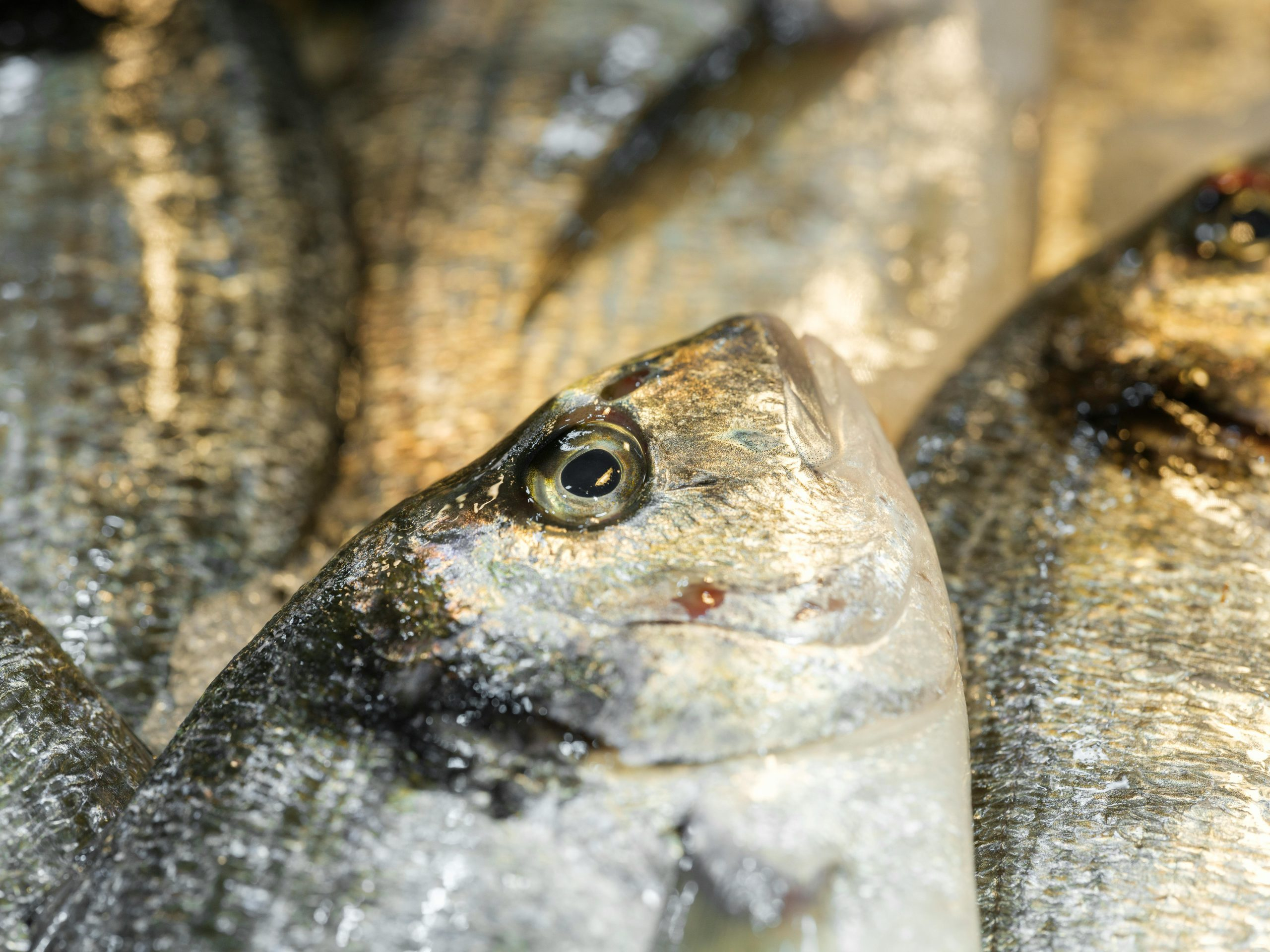
Sustainable seafood has become a growing concern for consumers in recent years. With overfishing, mislabeling, and destructive fishing practices threatening our oceans, consumers are becoming more conscious of what they are buying at the market. The good news is that there are now certifications and labels that can help identify seafood that has been sustainably sourced. In this article, we will explore how to identify these labels and make informed choices when it comes to purchasing seafood at the market.
What is Sustainable Seafood?
Before we dive into how to identify sustainable seafood labels, it’s important to understand what sustainable seafood actually means. Sustainable seafood is seafood that has been caught or farmed in a way that minimizes its impact on the environment and ensures the long-term health and viability of the species.
Some common practices of sustainable seafood include using methods that reduce bycatch (the catching of non-target species), avoiding destructive fishing practices, and closely monitoring fishing stocks to prevent overfishing.
Why is it important to choose sustainable seafood?
The need for sustainable seafood has become increasingly urgent due to the decline of fish populations in our oceans. According to the World Wildlife Fund, around 90% of the world’s fisheries are either fully exploited or overexploited, meaning they are unable to sustainably produce more fish.
By choosing sustainable seafood, we can help reduce the demand for overfished species and support fisheries that are practicing responsible fishing methods. This, in turn, can help to preserve ocean ecosystems and protect the livelihoods of fishing communities around the world.
How to identify sustainable seafood labels
One of the most reliable ways to identify sustainable seafood is by looking for eco-certifications and labels on the product packaging. These certifications are awarded by third-party organizations that have set standards for sustainable fishing practices and conduct regular audits to ensure compliance.
Marine Stewardship Council (MSC)
The Marine Stewardship Council (MSC) is one of the most recognized and respected eco-certifications for sustainable seafood. Products with the MSC label have been independently certified to meet global standards for sustainable fishing, including the health of fish populations, minimizing environmental impact, and responsible management.
The MSC label includes a blue fish logo with a tick, along with a unique code that can be entered on their website to trace the product back to its source and learn more about the fishery it was caught in.
Aquaculture Stewardship Council (ASC)
In addition to wild-caught seafood, the ASC also certifies responsibly farmed seafood. This includes fish, shellfish, and seaweed products that have been produced with minimal environmental and social impact. The ASC logo features a blue and green symbol with a dot and a fish tail, and like the MSC label, it can be traced back to its source on their website.
Seafood Watch Guides
The Seafood Watch program, run by the Monterey Bay Aquarium, produces regional guides for seafood consumption based on their sustainability. These guides include information on recommended seafood choices, as well as those to avoid due to overfishing or environmentally harmful practices.
The Seafood Watch guides are available online or in print form and can be a handy tool for making informed choices when shopping for seafood.
Other eco-labels to look out for
In addition to the above certifications, there are other eco-labels that you may come across when purchasing sustainable seafood. These include the Friend of the Sea label, which certifies sustainable fisheries and aquaculture, and the Best Aquaculture Practices (BAP) label, which certifies responsible aquaculture practices.
Final thoughts
It’s important to note that not all seafood is certified with eco-labels. In these cases, you can do some research on the specific fishery or farm to determine their sustainability practices.
By choosing sustainable seafood, we can help support responsible fishing practices and contribute to the health of our oceans. So next time you’re at the market, keep an eye out for these eco-labels and make a more ethical and environmentally-friendly choice for your seafood purchases.