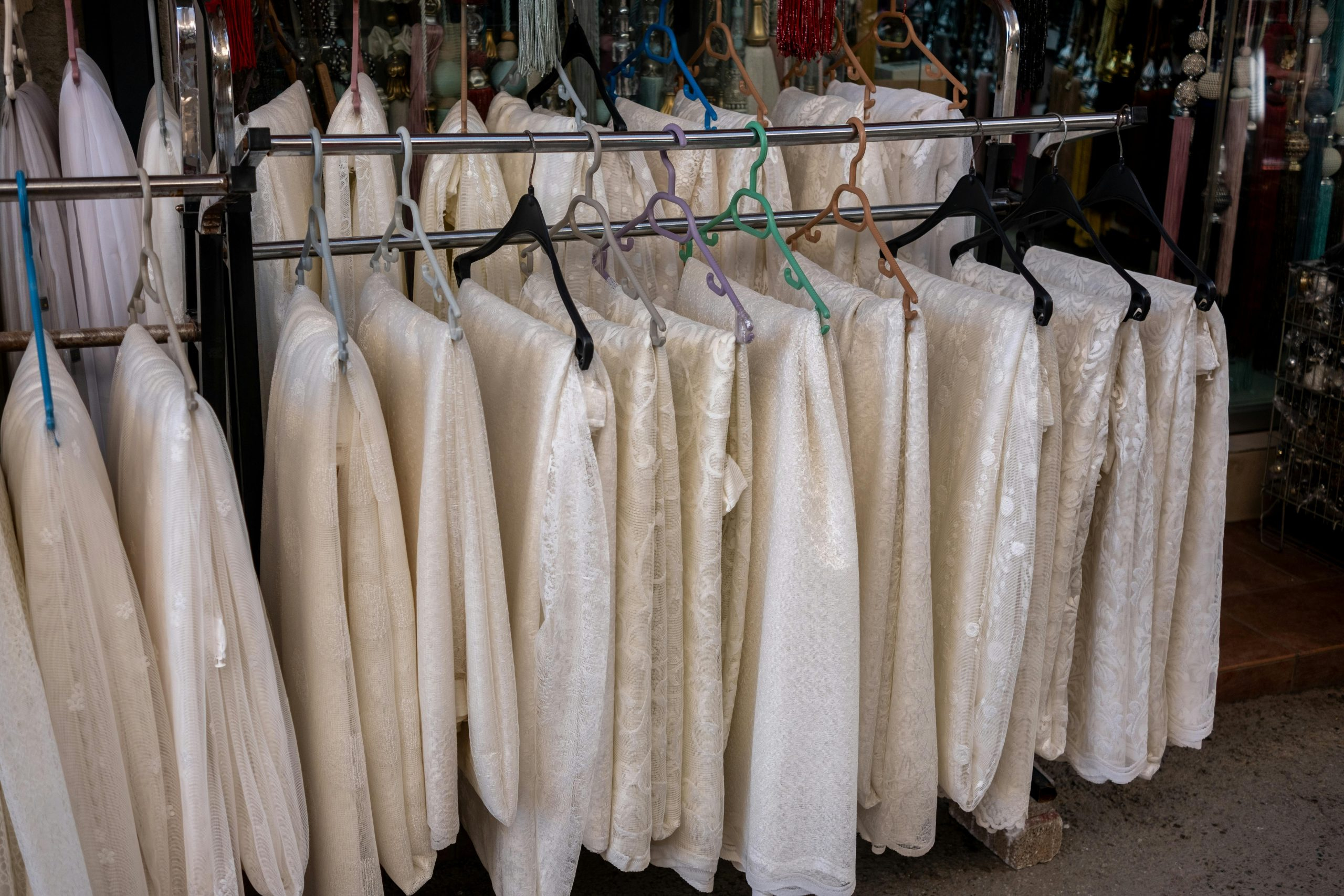
When it comes to shopping for clothes, one of the most important factors to consider is the quality of the fabric. After all, the fabric is what determines the comfort, durability, and overall look of the garment. However, it can be overwhelming to navigate the world of fabrics with so many options available. How do you know which fabrics are high quality and which aren’t? In this article, we’ll break down everything you need to know about identifying high quality fabrics while clothes shopping. So the next time you’re out shopping, you’ll know exactly what to look for to ensure you’re getting the best quality garments for your wardrobe.
Understanding Fabric Quality
Before we dive into how to identify high quality fabrics, let’s first understand what makes a fabric “high quality”. Generally, a fabric’s quality is determined by its composition, construction, and finishing. The type of material used, the density of the weave, and any additional treatments or finishes applied to the fabric all play a role in determining its quality.
Higher quality fabrics are known for their durability, comfort, and ability to maintain their appearance even after multiple washings. They also tend to be more expensive due to the use of better materials and production methods. However, investing in high quality fabrics will save you money in the long run as they will last longer and maintain their appearance for years to come.
Inspect the Material
One of the first things to consider when looking for high quality fabrics is the material itself. Generally, natural fibers like cotton, silk, and wool are considered to be of higher quality than synthetic fibers like polyester or nylon. This is because natural fibers are more breathable, softer to the touch, and have better absorbency. However, there are exceptions to this rule, as some synthetic fibers like microfiber can also offer high quality and durability.
When examining the material, pay attention to the density and the feel of the fabric. A higher density indicates a tighter weave, making the fabric more durable and less likely to pill or snag. The fabric should also feel smooth and soft to the touch, without any rough or scratchy areas. If the fabric feels thin or flimsy, it’s likely of lower quality and may not hold up with wear and washing.
Check the Construction
Another important factor in determining the quality of a fabric is its construction. This refers to how the fibers are woven together to create the fabric. A well-constructed fabric will have even and uniform weaving, with no gaps or loose threads. This not only contributes to the strength and durability of the fabric but also affects its appearance, as a poorly constructed fabric may have an uneven texture or pattern.
Additionally, the stitches and seams on the garment should be tight and neat. Loose stitches or seams can lead to unraveling and a shorter lifespan for the garment. For garments such as dresses or skirts, check the lining as well. A high quality garment will have a lining made of a similar quality fabric, providing extra support and a smoother appearance on the outside.
Look for Finishing Touches
Finishing treatments can also greatly impact the quality of a fabric. These can include processes like dyeing, printing, and adding any additional coatings or finishes to the fabric. One of the highest quality fabric finishing techniques is mercerization, which involves treating cotton with a chemical solution that strengthens the fibers and enhances color retention.
Another important finishing touch to look for is the fabric’s dye. Higher quality fabrics will have consistent and vibrant coloring, with no signs of fading or unevenness. If the fabric is printed, the pattern should also be sharp and well-defined, with no blurring or bleeding of colors. These details may seem minor, but they are a good indicator of the level of craftsmanship and attention to detail that went into producing the fabric.
Trust Your Senses
Lastly, when trying to identify high quality fabrics, trust your senses. Take the time to feel and examine the fabric closely. High quality fabrics will feel luxurious and rich, with a noticeable difference in texture compared to lower quality fabrics. They will also have a heavier weight and drape nicely on the body.
Moreover, don’t be afraid to ask the salesperson about the fabric. A reputable and knowledgeable retailer will be able to provide information about the fabric’s composition and construction, as well as any finishing treatments used. They may even be able to point out specific details to look for in determining the quality of the fabric.
In conclusion, identifying high quality fabrics while clothes shopping may seem like a daunting task, but with a little bit of knowledge and attention to detail, it can be easily done. By understanding the basics of fabric quality and taking the time to examine the material, construction, and finishing of a garment, you can make sure you’re investing in high quality pieces that will elevate your wardrobe for years to come.