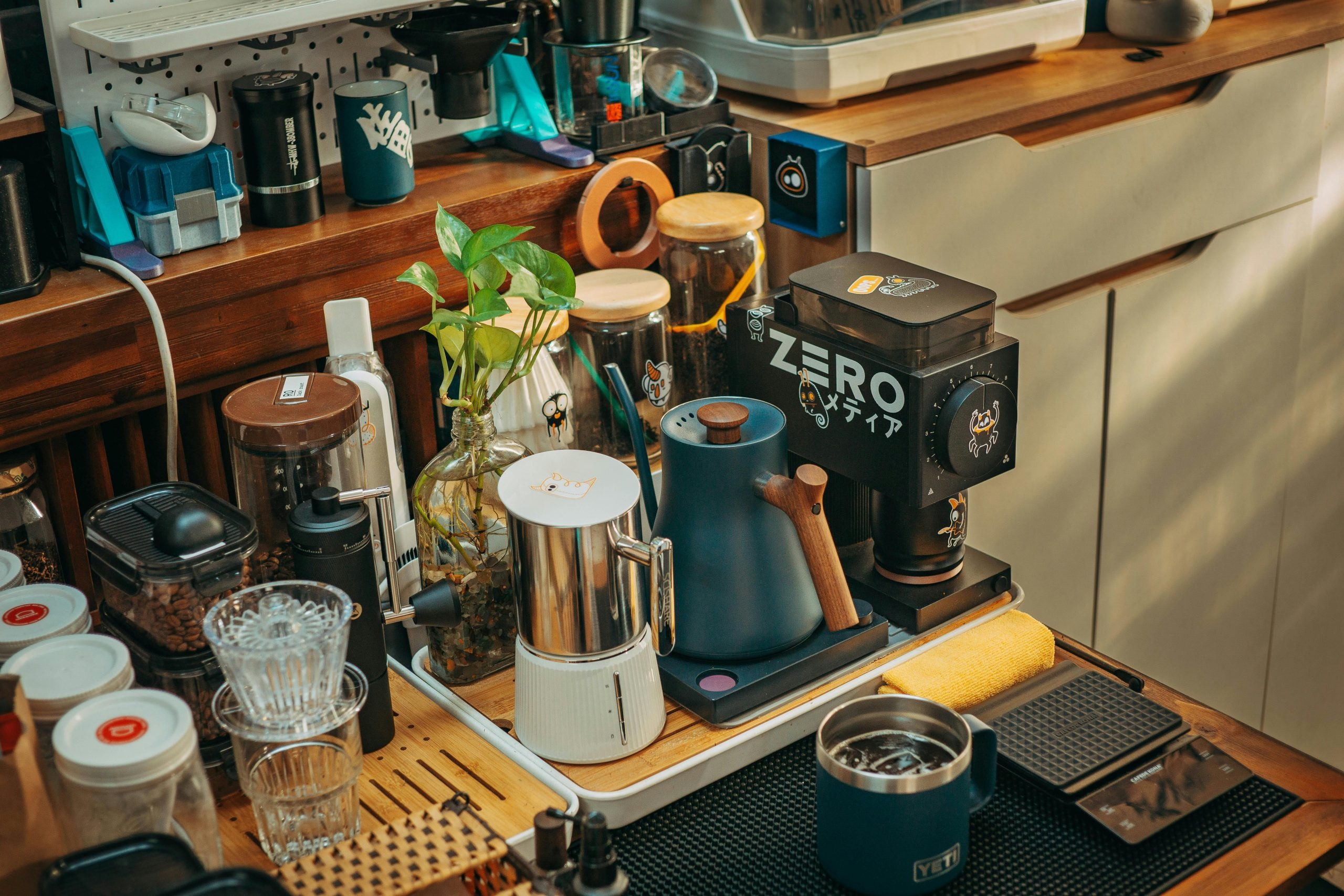
Welcome to the world of home brewing! Whether you are a seasoned coffee connoisseur or a beginner looking to elevate your at-home coffee game, choosing the best coffee beans is essential for a delicious and satisfying cup of coffee. With so many options available on the market, it can be overwhelming to know where to start. In this article, we’ll guide you through the process of choosing the best coffee beans for home brewing, from understanding different types of beans to knowing what to look for when purchasing. So sit back, grab your favorite mug, and let’s dive in!
Understanding Different Types of Coffee Beans
Before we can delve into the process of choosing the best coffee beans, it’s important to understand the different types of beans available. The most common types of coffee beans are Arabica and Robusta. Arabica beans are considered the best quality and make up the majority of coffee beans produced in the world. They have a more complex and delicate taste, with notes of sweetness and fruitiness. On the other hand, Robusta beans have a stronger and more bitter taste, making them a better choice for espresso blends or for those who prefer a stronger cup of coffee.
Single Origin vs. Blend
Another factor to consider when choosing coffee beans is whether you want a single origin or blend. Single origin beans come from one specific region or farm, while blends are a combination of beans from different regions. Single origin beans can offer a more distinct and unique flavor profile, while blends can provide a more well-rounded taste. It ultimately comes down to personal preference, so don’t be afraid to experiment with both options.
Roast Level
The roast level of coffee beans can significantly impact the taste and strength of the resulting cup of coffee. There are three main roast levels – light, medium, and dark. Light roast beans are typically more acidic and have a lighter body, while dark roast beans have a bolder and more robust flavor. Medium roast falls somewhere in between, offering a balance of acidity and body. It’s essential to consider your personal taste preferences when choosing the roast level of your coffee beans.
Factors to Consider When Purchasing Coffee Beans
Now that we have a better understanding of the different types of coffee beans, let’s explore what to look for when purchasing them for home brewing.
Freshness
The freshness of coffee beans is crucial for a delicious and flavorful cup of coffee. It’s best to buy beans that have been roasted within the past two weeks, as they start to lose their flavor and aroma after that time. If possible, purchase whole beans and grind them at home to ensure maximum freshness. However, if you do buy pre-ground coffee, make sure to consume it within two weeks for the best taste.
Origin and Sourcing
The origin and sourcing of coffee beans can also impact their flavor. Beans grown at higher altitudes tend to have a more complex and nuanced taste, while those grown at lower altitudes may have a simpler flavor profile. It’s also essential to consider the farming practices of the coffee beans you are purchasing. Fair trade and organic beans not only support ethical and sustainable practices but can also provide a better taste experience.
Roast Date and Notes
When purchasing coffee beans, look for a roast date rather than an expiration date. This will give you a better idea of how fresh the beans are. Also, pay attention to any notes listed on the packaging, as they can give you an idea of the flavor profile to expect. For example, beans with “chocolate” notes may have a sweeter taste, while those with “citrus” notes may be more acidic.
Conclusion
Choosing the best coffee beans for home brewing is a personal journey, and it may take some trial and error to find the perfect fit for you. Keep in mind the different types of beans, roast levels, and factors to consider when purchasing, and don’t be afraid to experiment with different options. With the right coffee beans, you can elevate your coffee experience and enjoy a delicious cup of joe from the comfort of your home. Happy brewing!