In modern architecture, high ceiling designs have become increasingly popular in recent years. These designs not only offer a visually pleasing aesthetic, but also provide functional benefits for both the space and its occupants. From residential homes to commercial buildings, high ceilings have become a sought-after feature in the world of architecture. But what exactly is it about these designs that make them so appealing? In this article, we will explore the reasons behind the growing popularity of high ceiling designs in modern architecture.
The Illusion of Space
One of the main reasons why high ceiling designs have become so popular in modern architecture is their ability to create an illusion of space. By raising the height of the ceiling, the room appears larger and more open, giving off a sense of grandeur and luxury. This is particularly beneficial in urban areas where space is limited and designers are challenged to make the most of small floor plans.
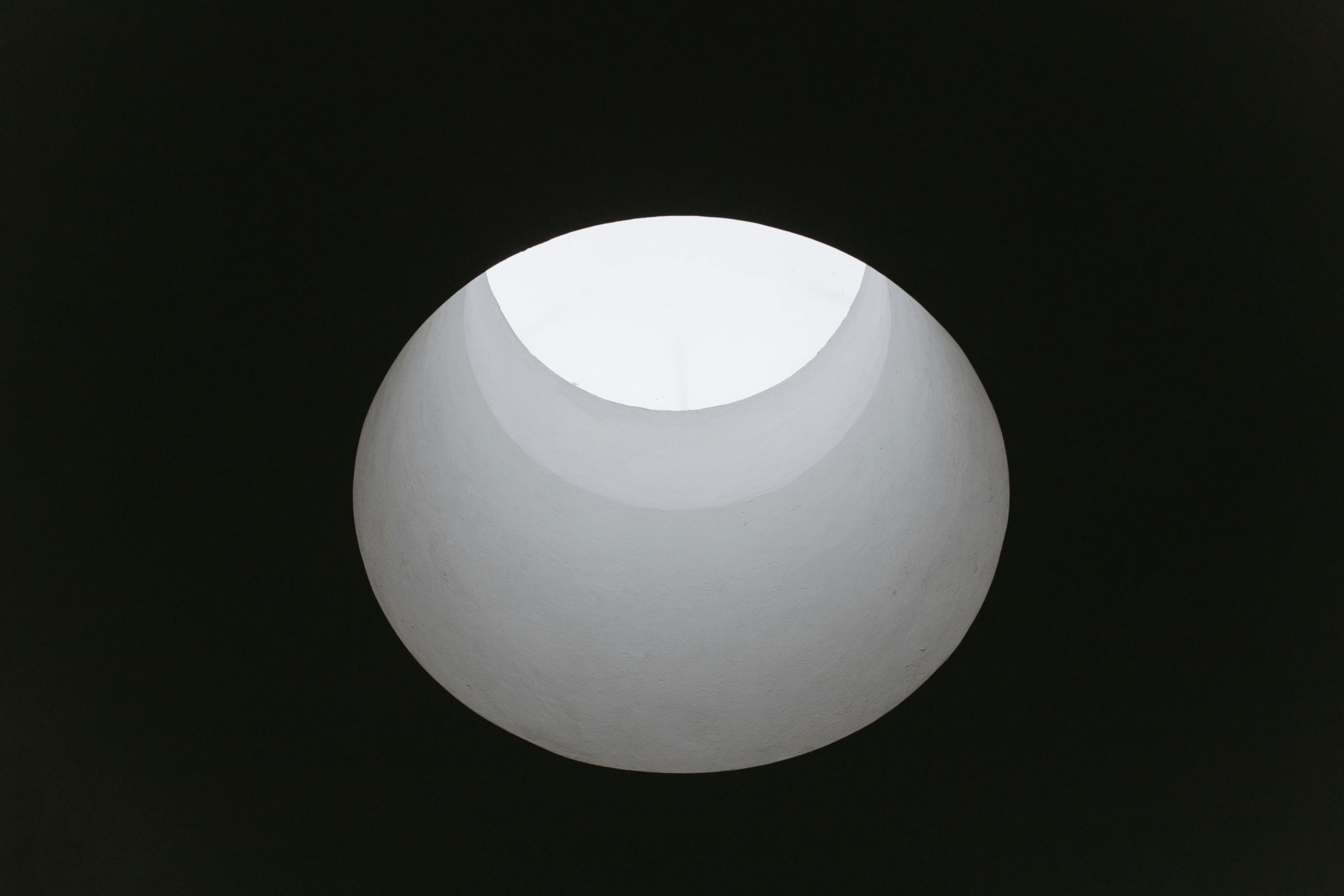
This illusion of space is further enhanced through the use of natural light. With high ceilings, there is more room for windows, skylights, and other sources of natural light to be incorporated into the design. This not only brightens up the space, but also adds to the overall illusion of spaciousness.
Enhanced Functionality
Besides their visual appeal, high ceiling designs also offer practical benefits for the space and its occupants. For instance, these designs provide better air circulation and ventilation, as hot air tends to rise to the top and is replaced with cooler air from below. This can be especially beneficial during summer months, as it helps to keep the space cool and comfortable.
In addition, high ceilings can also accommodate larger and taller furniture pieces, making the space more versatile and adaptable. This is particularly useful in commercial buildings that may need to regularly rearrange their layout for different purposes.
Unique Architectural Elements
Another reason behind the popularity of high ceiling designs in modern architecture is their ability to showcase unique architectural elements. With a taller height to work with, architects and designers can incorporate striking details such as chandeliers, exposed beams, and other decorative features that would not be possible with standard ceiling heights.
In fact, the high ceilings themselves often become a unique focal point of the space, adding interest and character to the overall design. This can be especially appealing for clients who are looking for a one-of-a-kind space that stands out from the rest.
A Symbol of Status
It’s no secret that high ceiling designs have long been associated with aristocracy and wealth. In the past, homes with high ceilings were typically reserved for the upper class, as they required more resources and materials to construct. Today, with advances in technology and construction methods, high ceiling designs have become more accessible to a wider range of individuals.
However, the association with status and luxury still remains, making it a desirable choice for many buyers and clients. This is evident in the rise of high ceiling designs in upscale residential properties and high-end commercial buildings.
Conclusion
In conclusion, the popularity of high ceiling designs in modern architecture can be attributed to their ability to create an illusion of space, offer practical benefits, showcase unique architectural elements, and serve as a symbol of status. As designers continue to push the boundaries and explore new possibilities, it is safe to say that high ceiling designs will continue to be a sought-after feature in the world of architecture.