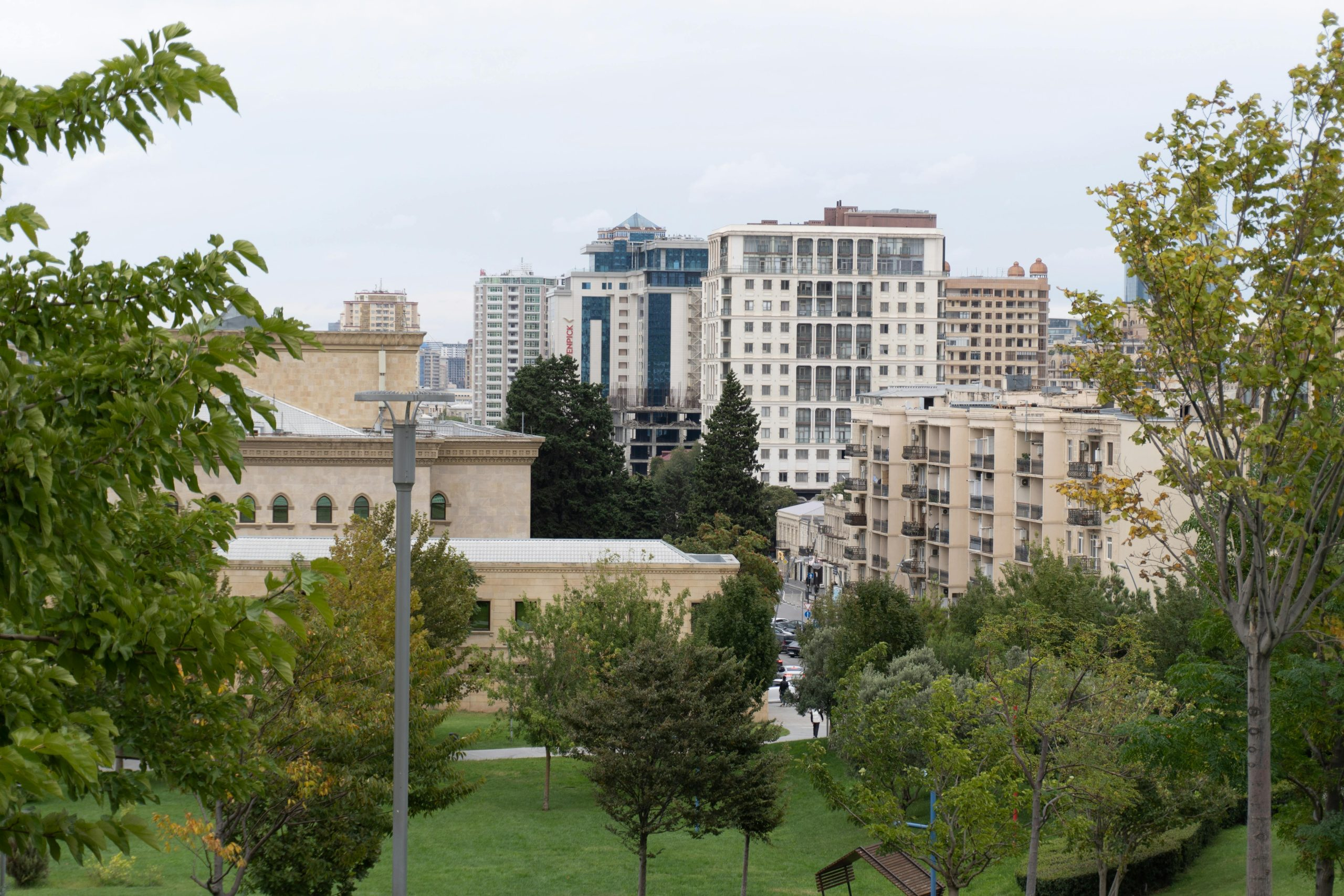
The future of sustainable urban development and green housing is a topic that has gained immense traction in recent years. With the growing concerns about climate change and the depletion of natural resources, there has been a significant shift towards more environmentally friendly practices in the construction and development of cities. As the world’s population continues to urbanize, the demand for sustainable living spaces and infrastructure is only going to increase. But what exactly does a sustainable urban development and green housing entail, and what does the future hold for this trend? Let’s delve into the details.
Understanding Sustainable Urban Development
Sustainable urban development can be defined as the process of creating environmentally, socially, and economically viable urban spaces for present and future generations. It aims to balance the development needs of a city with the preservation of natural resources and the well-being of its residents. This approach to urban planning takes into consideration a range of factors, such as energy efficiency, waste management, water conservation, and the use of renewable resources.
The Benefits of Sustainable Urban Development
The concept of sustainable urban development has gained widespread support due to its numerous benefits. By incorporating sustainable practices, we can reduce our carbon footprint, mitigate the effects of climate change, and promote healthier and more livable cities. Sustainable urban planning also has economic benefits, such as creating new job opportunities, reducing energy costs, and improving the overall quality of life for residents.
The Role of Green Housing
Green housing is an integral part of sustainable urban development. It involves the use of eco-friendly materials, construction techniques, and energy-efficient designs to create environmentally responsible homes and buildings. Green buildings are designed to be energy efficient, reducing the amount of energy needed to power them. They also incorporate sustainable materials and technologies, such as solar panels, rainwater harvesting systems, and natural ventilation, to minimize their impact on the environment.
The Future of Green Housing
The demand for green housing is on the rise, and this trend is only set to continue in the future. According to a report by Grand View Research, the global green building materials market is projected to reach USD 571.3 billion by 2027, growing at a CAGR of 12.3%. With increasing awareness about climate change and the need for sustainable living, buyers are more inclined towards green homes. Governments around the world are also promoting green housing by providing incentives, tax breaks, and subsidies to developers and homeowners.
The Impact on Urban Development
As more and more people move to cities, the need for sustainable urban development will become even more crucial. Cities are responsible for approximately 70% of global carbon emissions, making them significant contributors to climate change. By implementing sustainable urban planning principles, we can reduce the carbon footprint of these cities and create more livable spaces for their residents.
Innovations in Sustainable Urban Development
Advancements in technology and a growing awareness about sustainability have led to several innovations in the field of sustainable urban development. Some of these include vertical farming, green roofs and walls, smart city technologies, and sustainable transportation systems. These innovations can significantly reduce the environmental impact of urban development and create more sustainable and resilient cities.
Challenges and Solutions
Despite the many benefits of sustainable urban development and green housing, there are still several challenges that need to be addressed. Lack of awareness, high initial costs, and political barriers are some of the major roadblocks in the widespread adoption of sustainable practices. However, with the help of government policies and initiatives, technological advancements, and a shift in public perception, these challenges can be overcome.
The Need for Collaboration
The success of sustainable urban development and green housing depends on the collaboration between various stakeholders, including governments, developers, architects, and homeowners. These stakeholders must work together to develop innovative solutions that promote sustainable living and address the ever-growing challenges of urbanization.
The Way Forward
The future of sustainable urban development and green housing is bright. As we move towards more sustainable practices, we can mitigate the effects of climate change, create more livable cities, and contribute to the overall well-being of our planet. With continued efforts and collaboration, we can build a sustainable and prosperous future for generations to come.
In conclusion, sustainable urban development and green housing are the need of the hour. The future lies in creating a balance between development and sustainable living, and it is up to us to make it a reality. Let’s embrace these practices and build a better, greener, and more sustainable world.