In recent years, there has been a significant shift towards sustainability and environmental consciousness in the retail industry. With the increasing awareness of climate change and its consequences, consumers are becoming more mindful of their purchasing decisions, and are actively seeking out businesses that prioritize sustainable practices. One such area that has garnered attention is packaging. As packaging is an integral part of the retail industry, there has been a growing demand for sustainable packaging solutions. In this article, we will delve into the future of sustainable packaging in the retail industry and the impact it will have on businesses and the environment.
The Current State of Packaging in the Retail Industry
Packaging has always been a crucial aspect of the retail industry, serving as a protective layer for products while also showcasing branding and conveying important information to consumers. However, the excessive and often unnecessary use of packaging materials has become a major concern. The retail industry is one of the biggest contributors to packaging waste, with millions of tons of packaging ending up in landfills each year.
In recent years, there has been a push for more sustainable packaging solutions in the retail industry. This has been driven by both consumer demand and government regulations. Many countries have implemented laws and regulations on packaging waste, pushing businesses to adopt more sustainable practices. In addition, consumers are becoming more vocal about their concerns regarding packaging waste, and are actively seeking out businesses that offer eco-friendly packaging options.
The Future of Sustainable Packaging
Biodegradable Materials
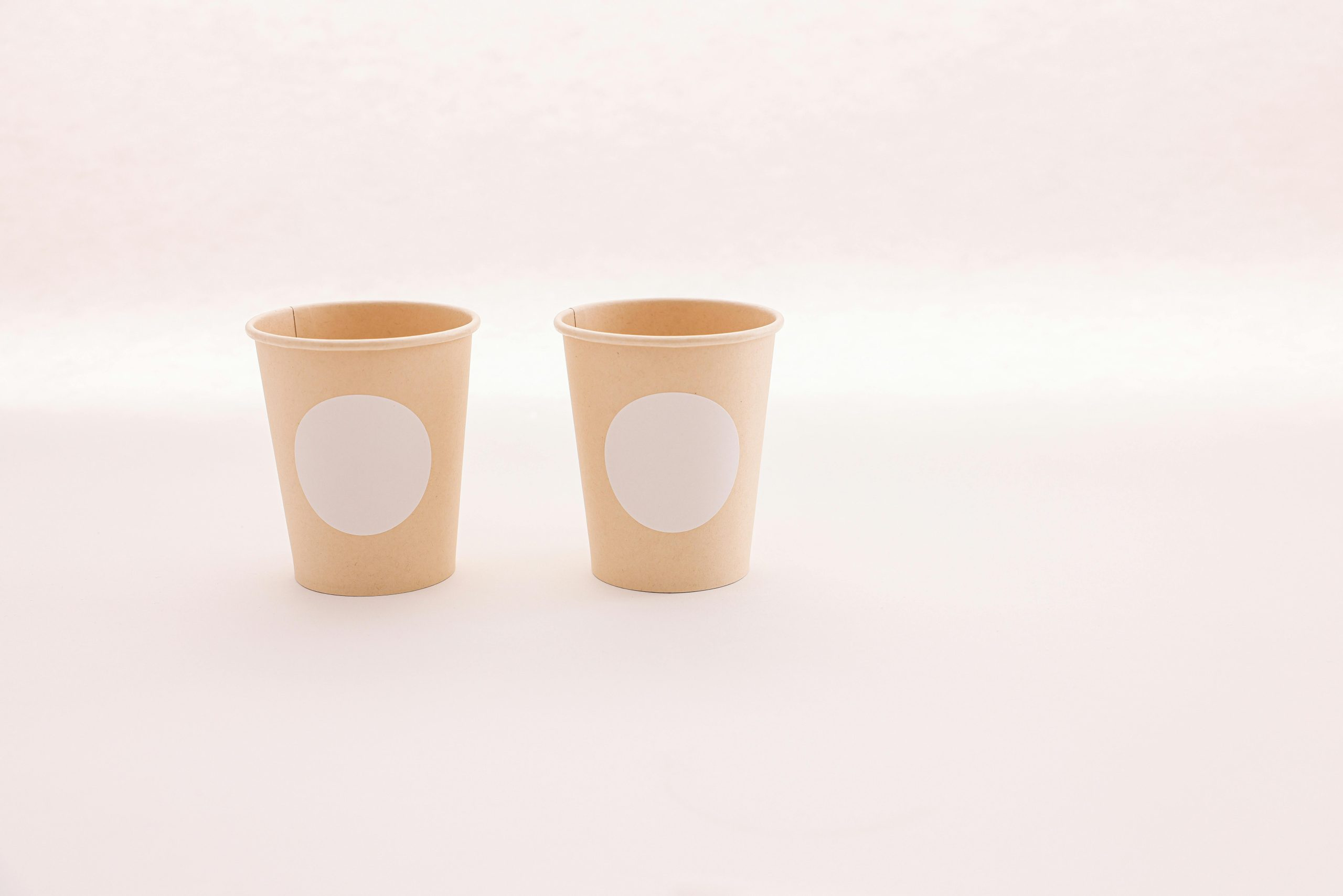
The use of biodegradable materials in packaging is on the rise, and it is expected to continue to grow in the future. Biodegradable materials, such as plant-based plastics and compostable packaging, are designed to break down naturally in the environment, reducing the impact of packaging waste on the environment. These materials are becoming more affordable and accessible, making it easier for businesses to adopt them in their packaging solutions.
Reusable and Recyclable Packaging
Another trend that is set to rise in the future is the use of reusable and recyclable packaging. This involves the use of materials that can be reused or recycled, reducing the amount of packaging waste that ends up in landfills. Many companies have already started offering refillable or reusable packaging options for their products, and it is expected that more businesses will follow suit in the future. In addition, advancements in technology have made it possible to create recyclable packaging materials that are more durable and can withstand the rigors of transportation and storage.
Innovations in Packaging Design
As the demand for sustainable packaging solutions increases, we can expect to see more innovations in packaging design. This includes the use of smart packaging, which incorporates technology to monitor and track product freshness and quality. This not only reduces food waste, but also helps in creating a more efficient supply chain. In addition, there are also advancements in packaging materials such as edible packaging films made from food waste, which can potentially eliminate the need for traditional packaging materials altogether.
The Benefits of Sustainable Packaging
Aside from reducing environmental impact, there are many other benefits to using sustainable packaging solutions in the retail industry. Firstly, businesses can save on costs in the long run by reducing their reliance on single-use packaging materials. Sustainable packaging materials may also have a lower production cost, as they are often made from renewable and readily available resources. Additionally, businesses that embrace sustainable packaging can also improve their brand image and attract eco-conscious consumers.
Challenges in Adopting Sustainable Packaging
While the future of sustainable packaging looks promising, there are still challenges that businesses need to overcome in order to fully adopt these practices. One of the major challenges is the lack of infrastructure for recycling and composting in many areas, which makes it difficult for businesses to utilize recyclable or compostable materials. Additionally, sustainable packaging options may be more expensive initially, making it difficult for smaller businesses to make the switch.
Conclusion
The future of sustainable packaging in the retail industry is filled with possibilities. As consumer demand for sustainable practices continues to rise, businesses that make the switch to more eco-friendly packaging solutions will have a competitive advantage. However, it will require collaboration and investment from all stakeholders, including businesses, consumers, and governments, to make truly sustainable packaging a reality. With the right combination of innovation, technology, and consumer awareness, we can hope for a future where the retail industry is more environmentally friendly and sustainable.