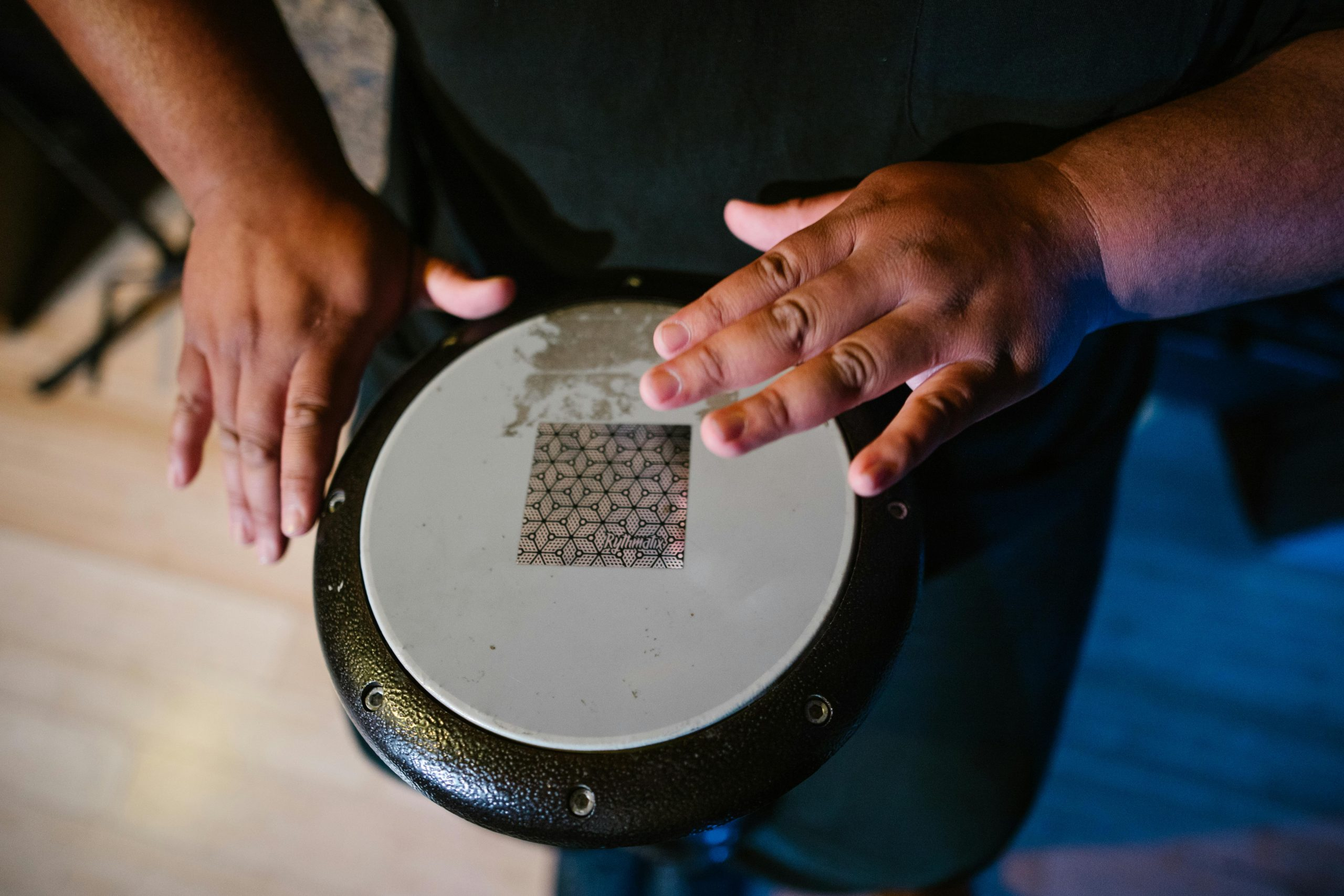
Africa is a land of rich cultural traditions and vibrant rhythms. One of the most fundamental elements of traditional African music is the use of drums. These drums play an essential role in the unique and dynamic drumming circles found in various African cultures. The rhythm in African drumming circles is more than just a sound, it holds a significant cultural and spiritual significance for those who participate. In this article, we will delve into the role of rhythm in traditional African drumming circles, and how it has shaped African music for centuries.
The Cultural Significance of Rhythm in African Drumming Circles
In many African cultures, drumming and dancing hold a deep cultural significance. It is a form of communication, a way of storytelling, and a means of connecting with the spiritual world. The drum rhythms are often tied to specific cultural events, such as celebrations, rituals, and ceremonies. These events are incomplete without the rhythm of the drums, making them an integral part of the African cultural fabric.
For centuries, African tribal communities depended on drumming to pass down their traditions and beliefs. The rhythmic beats of the drums were used to communicate messages, stories, and warnings to clan members. In some cultures, the drum was believed to have healing powers and was used in traditional medicine practices. The complex rhythms and patterns of African drumming are said to align the mind, body, and spirit, creating a sense of unity and connection within the community.
The Spiritual Significance of Rhythm in African Drumming Circles
African drumming is not just a form of entertainment; it is a spiritual experience. It is believed that the rhythms produced by the drums can touch the soul and connect people with their ancestors. In many African societies, drummers are considered spiritual leaders and are highly respected for their ability to communicate with the spiritual world through their drumming.
The drumming circle is a sacred space where participants can enter a trance-like state and connect with the divine. The repetitive beats and rhythms create a meditative and hypnotic state, allowing individuals to let go of their inhibitions and connect with their inner selves. The rhythm in African drumming circles is often associated with the heartbeat, representing the life force that connects all living beings.
The Role of Rhythm in African Music Evolution
The African continent is vast and diverse, with over 1,000 different languages and cultures. Despite these differences, one thing that remains constant is the use of drums in traditional music. The drum is the backbone of African music, providing the rhythm and pulse that gives the music its distinct sound. Over the years, African music has evolved and been influenced by external forces, but the use of drums and the importance of rhythm remain at its core.
Today, African rhythm and drumming have had a significant influence on a wide range of musical genres worldwide. From jazz to hip hop and everything in between, the unmistakable African rhythm can be heard in various forms of contemporary music. This is a testament to the enduring and powerful role that rhythm plays in African music.
The Physical Benefits of African Drumming
Aside from its cultural and spiritual significance, African drumming also offers numerous physical benefits. Playing the drums requires coordination, concentration, and physical stamina. It is a full-body workout that can improve cardiovascular health, increase muscle strength, and enhance hand-eye coordination. Playing in a group drumming circle also promotes a sense of community and boosts overall well-being.
The Future of African Drumming Circles
The role of rhythm in African drumming circles has remained unchanged for centuries, and it shows no signs of fading away. Despite the continuous evolution of music, traditional African drumming remains an integral part of African culture and is still practiced in many communities today. With the increasing interest and appreciation for African music and culture around the world, it is safe to say that the future of African drumming circles is bright.
In Conclusion
The role of rhythm in traditional African drumming circles is not limited to creating music; it is a way of life. It serves as a bridge between the physical and spiritual worlds and connects people with their cultural roots. The intricate rhythms, mesmerizing beats, and pulsating energy of African drumming have captivated audiences for centuries, and its impact will continue to be felt for years to come.
African drumming circles are a celebration of culture, community, and the power of rhythm. As the world becomes more connected and cultures continue to blend, it is essential to preserve and appreciate the traditional practices that make each culture unique. The rhythm in African drumming circles is more than just a sound; it is a representation of the soul and spirit of Africa, and its beauty and significance should be celebrated and cherished by all.