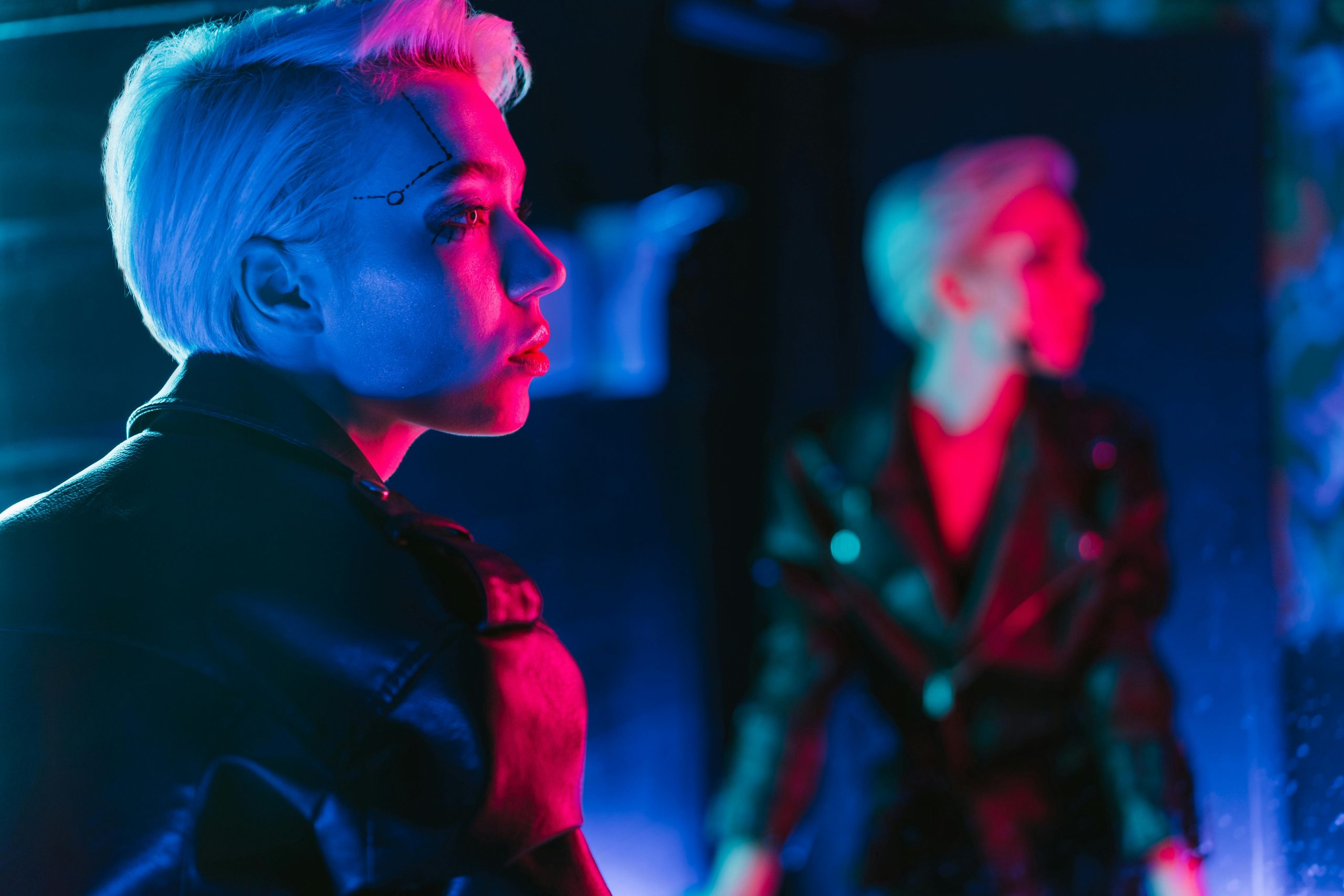
The 1970s punk movement was a rebellious and revolutionary era in music and fashion that still has a strong influence on modern trends. Emerging from the underground scene, punk represented an anti-establishment ideology that rejected mainstream values. This attitude and aesthetic were reflected in the clothing choices of its followers, sparking a new wave of fashion that challenged traditional norms. In this article, we will delve into the impact of 1970s punk on modern fashion and how it continues to shape our style choices today.
The Origins of Punk Fashion
Punk fashion originated in London and New York City in the late 1970s, with bands like the Sex Pistols, The Ramones, and The Clash leading the way. It was a subculture that rejected the elaborate and over-the-top fashion of the 1960s and instead embraced a more DIY and anti-conformist approach to clothing.
DIY Culture and Personalization
Punk fashion was all about creating a unique and individualized look. This was achieved through DIY techniques such as customization, distressing, and repurposing of existing clothing items. Safety pins, ripped and torn fabrics, and graffiti were just some of the elements that gave punk fashion its distinctive edge. This DIY culture marked a departure from the expensive and mass-produced clothing of previous years, allowing people to express their personality through their outfits.
Anti-Fashion Attitude
With punk fashion, it wasn’t about following the latest trends or conforming to mainstream expectations. Instead, it was about standing out and making a statement. This rebellious spirit was reflected in bold and unconventional fashion choices, such as pairing ripped t-shirts with tartan pants or fishnet stockings with combat boots. The idea was to challenge the status quo and reject the notion of what was considered “fashionable.”
The Influence of Punk on Modern Fashion
While the punk movement may have peaked in the 1970s, its impact on fashion continued to be felt in the decades to come. Elements of punk style could be seen in various subcultures, including grunge, goth, and even hip hop. Today, punk-inspired fashion is still alive and thriving, with designers and brands incorporating elements of the rebellious style into their collections.
Rock and Roll Aesthetic
The merging of music and fashion has been instrumental in keeping the punk influence alive. Rock and roll-inspired fashion, characterized by leather jackets, distressed denim, and band t-shirts, owes a lot to the punk movement. This style has become a staple in modern fashion, seen on both the runway and in streetwear.
Edgy Accents
The punk aesthetic has also manifested itself in smaller, more subtle ways in modern fashion. Elements like studs, spikes, and safety pins are commonly used as accents on clothing and accessories, giving off a rebellious and edgy vibe. These accents can be seen on everything from jackets, bags, and shoes to jewelry and hair accessories.
Gender-Fluid Fashion
The punk movement was also groundbreaking in terms of rejecting gender roles and norms. This attitude has transcended into modern fashion, with designers and brands embracing the idea of gender-fluid fashion. Androgynous clothing, unisex styles, and gender-neutral collections are becoming more prevalent, thanks in part to the punk movement’s revolutionary views on gender expression.
In Conclusion
The influence of 1970s punk on modern fashion trends cannot be denied. Its revolutionary and anti-fashion attitude has paved the way for individual expression, DIY culture, and gender-fluid fashion. Punk style can be seen in various aspects of modern fashion, from streetwear to high fashion. And while the music may have changed, the edgy, rebellious, and unconventional spirit of punk lives on in the world of fashion.