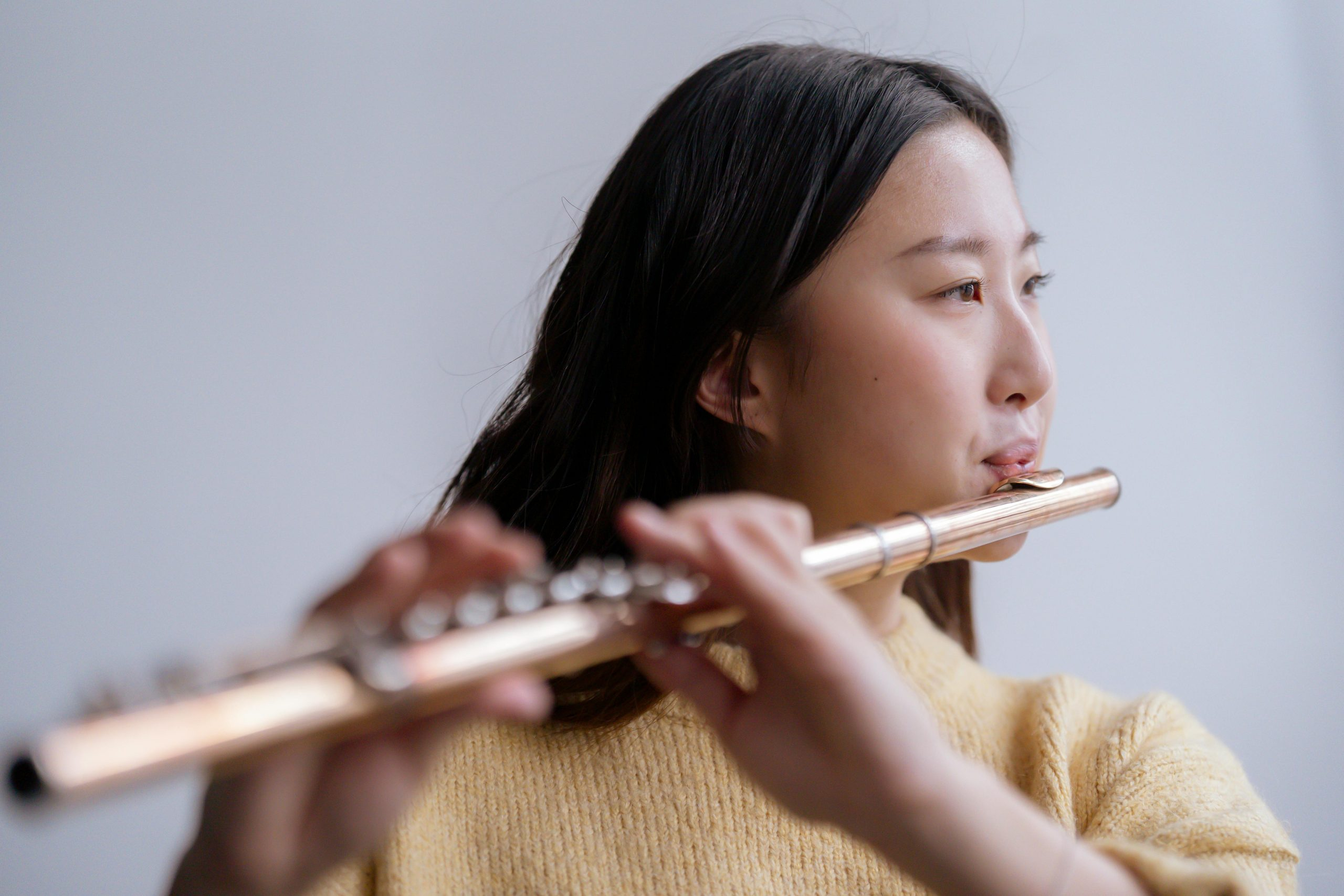
As a professional musician, your hearing is one of your most valuable assets. It allows you to create and appreciate beautiful music, connect with your audience, and excel in your career. However, the loud environment and constant exposure to amplified sound can take a toll on your hearing over time. It is essential to take proactive measures to protect your hearing as a professional musician. In this article, we will discuss some tips on how to do just that.
The Importance of Protecting Your Hearing
Before we delve into how to protect your hearing, let us first understand why it is crucial. Musicians are at high risk of hearing damage and loss due to constant exposure to loud music. This exposure can lead to a condition called noise-induced hearing loss (NIHL), which can be permanent and irreversible. It can affect your ability to hear different frequencies, understand speech, and appreciate music. The effects can be devastating, both personally and professionally.
Frequent exposure to loud music can also cause tinnitus, a condition that causes a ringing or buzzing sensation in the ears. While it may seem like a minor inconvenience at first, tinnitus can become a chronic and debilitating issue that can significantly impact your quality of life. It can also interfere with your ability to perform and create music.
Ways to Protect Your Hearing
Limit Your Exposure to Loud Music
The most effective way to protect your hearing is to limit your exposure to loud music. As a professional musician, this may seem impossible, but there are ways to do it without compromising your career. When practicing or performing, take breaks every hour to give your ears a rest. Use earplugs or noise-cancelling headphones to reduce the volume of the sound. It is also a good idea to reduce your exposure to loud sounds offstage as much as possible, such as at concerts or clubs.
Monitor Your Volume
Another important factor to consider is the volume at which you play or listen to music. The general rule of thumb is that if you have to shout to be heard over the music, it is likely too loud. As a professional musician, it is crucial to find a balance between producing powerful and enjoyable music while also protecting your hearing. It may be tempting to crank up the volume to create a more energetic performance, but it is not worth risking your hearing.
Use earplugs and In-Ear Monitors
Earplugs and in-ear monitors are essential tools for professional musicians. They protect your ears from loud sounds while also allowing you to hear yourself and others perform. Unlike regular earplugs, which can muffle the music and make it challenging to hear yourself, in-ear monitors provide a more balanced sound. They can also help reduce the risk of tinnitus and other hearing issues associated with loud music.
Take Regular Hearing Tests
Regular hearing tests are crucial for professional musicians. They help you understand the state of your hearing and detect any changes or issues early on when they are more manageable. It can also give you a benchmark to monitor changes in your hearing over time. Consult an audiologist who has experience working with musicians and understands the unique demands on your ears. The earlier you catch any problems, the better the chances of managing them effectively.
Take Care of Your Overall Health
Your overall health also plays a significant role in protecting your hearing. Make sure to eat a balanced diet and exercise regularly to keep your body and immune system strong. Limit your exposure to substances that can damage your hearing, such as alcohol and cigarettes. Cigarette smoke, in particular, can constrict blood vessels and impact the flow of oxygen to your ears, leading to hearing loss. Taking care of your health can have a positive impact on your hearing and overall well-being.
Conclusion
As a professional musician, protecting your hearing should be a top priority. By taking proactive measures such as limiting your exposure to loud music, using earplugs, and monitoring your volume, you can preserve your hearing and continue to excel in your career. Regular hearing tests and taking care of your overall health are also crucial in maintaining good hearing. Remember, your hearing is precious and irreplaceable, so take care of it. Your ears will thank you in the long run.