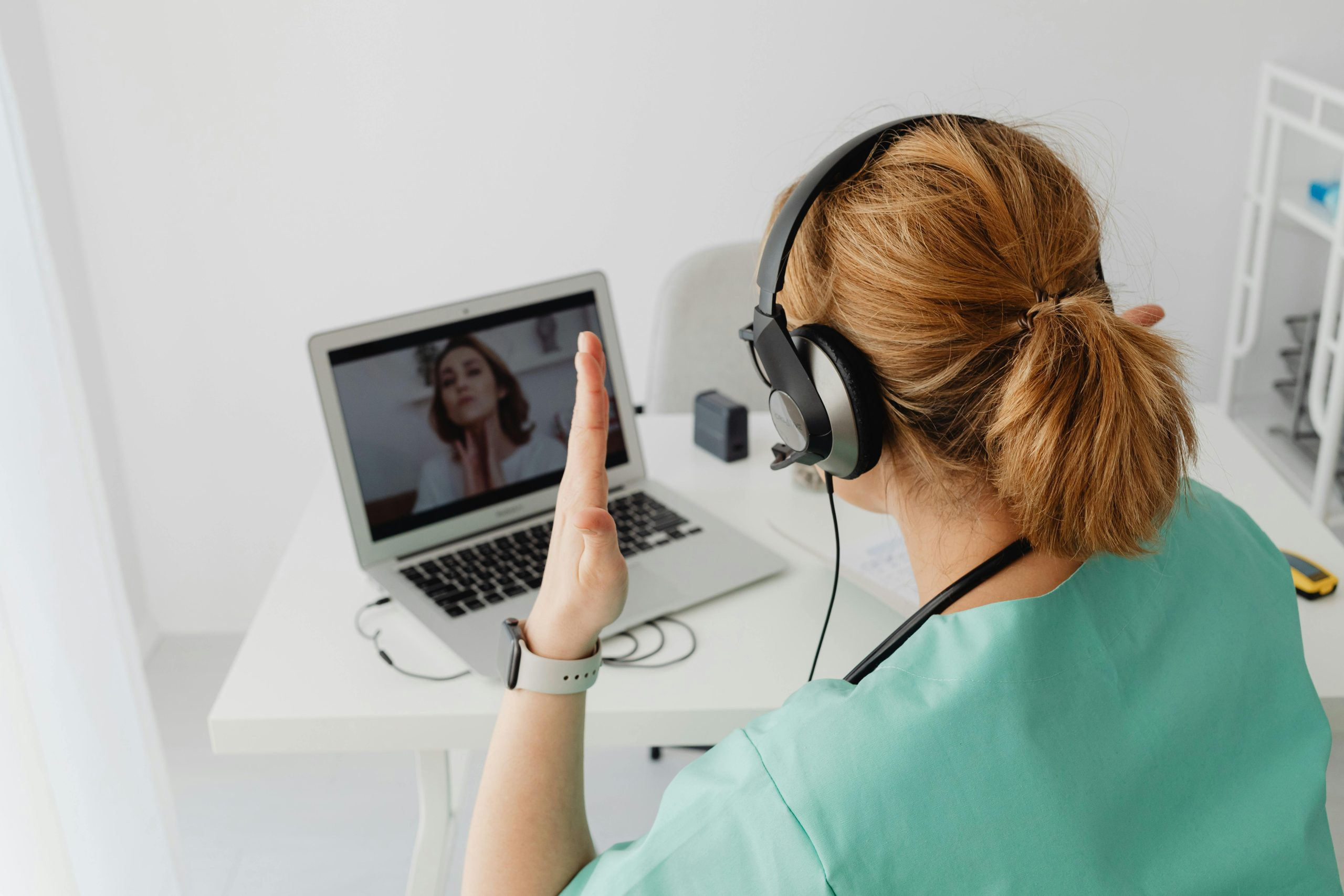
Over the past decade, the healthcare sector has witnessed a significant transformation, thanks to the ongoing advancements in technology. One of the most promising innovations in recent years is telemedicine. This approach to healthcare delivery allows patients to receive medical diagnosis and treatment remotely, without the need for in-person consultations. With the rise of telemedicine, there has been a corresponding growth in telemedicine careers, presenting new and exciting opportunities for healthcare professionals. In this article, we will delve into the growth of telemedicine careers and the impact it has on the healthcare sector.
The Rise of Telemedicine
Telemedicine, also known as telehealth, is the use of technology to provide healthcare services remotely. It involves the use of video conferencing, mobile apps, and other digital communication tools to facilitate virtual consultations between patients and healthcare providers. The idea behind telemedicine is to improve access to healthcare, especially for those living in remote or underserved areas. It also makes healthcare services more convenient and cost-effective for patients.
The concept of telemedicine is not entirely new; it has been around for decades. However, its adoption and growth have accelerated in recent years, driven by various factors. The widespread availability of high-speed internet and the proliferation of smartphones and other mobile devices have made telemedicine more accessible to the general public. In addition, the COVID-19 pandemic has played a significant role in popularizing telemedicine. As people avoid going to hospitals to reduce the risk of infection, telemedicine has emerged as a viable alternative for non-emergency medical care.
The Growth of Telemedicine Careers
The rise of telemedicine has created a demand for professionals with specialized skills in this field. Healthcare organizations are seeking to hire telemedicine nurses, physicians, and other healthcare providers to fill remote consulting roles and support their virtual care programs. As a result, there has been a surge in telemedicine career opportunities, especially in the following areas:
1. Telemedicine Nurses
Nurses are at the forefront of providing patient care in telemedicine. They work alongside physicians and other healthcare providers to monitor patients’ health remotely and provide necessary support. Telemedicine nurses must have excellent communication skills and be proficient in using telemedicine technology. They also need to be able to adapt to the challenges of delivering patient care remotely.
2. Telemedicine Physicians
Telemedicine physicians are responsible for diagnosing and treating patients through virtual consultations. They must have strong clinical skills and be able to use technology effectively to provide accurate and timely medical care. Like traditional physicians, they need to have a medical license and be licensed to practice medicine in the states where their patients are located.
3. Telemedicine Specialists
Telemedicine has also created opportunities for healthcare specialists to provide their services remotely. This includes mental health professionals, pharmacists, and physical therapists. Telemedicine specialists must have the necessary qualifications and experience in their respective fields, as well as the ability to use telemedicine technology to deliver their services.
The Impact of Telemedicine Careers on the Healthcare Sector
The growth of telemedicine careers has had a significant impact on the healthcare sector. Here are some of the ways in which telemedicine has revolutionized the industry:
1. Increased Access to Healthcare
Telemedicine has made it possible for patients in remote areas or with limited mobility to access healthcare services. They no longer have to travel long distances to see a doctor, which can be challenging for those with chronic conditions or disabilities. Telemedicine also enables patients to seek medical advice and treatment from specialists without leaving their homes.
2. Improved Efficiency and Cost Savings
Telemedicine has made healthcare more efficient and cost-effective. With virtual consultations, patients can save time and money on transportation, and healthcare providers can see more patients in a day. This also helps reduce the overall cost of healthcare and makes it more accessible to those who cannot afford traditional in-person consultations.
3. Better Patient Outcomes
Studies have shown that telemedicine has positive effects on patient outcomes. With virtual consultations, patients can receive timely medical care, leading to earlier diagnosis and treatment. This can prevent conditions from worsening and improve overall health outcomes.
In conclusion, the growth of telemedicine careers presents exciting opportunities for healthcare professionals to expand their skillset and contribute to the modernization of healthcare delivery. As technology continues to evolve, so will the demand for telemedicine professionals, making it a promising career path for those interested in the healthcare industry.