>
Social media has revolutionized the way we communicate and share information, impacting every aspect of our lives. From personal relationships to business collaborations, social media has become an essential tool for connecting people. But its impact is not limited to just social interactions; it has also transformed the field of education. In recent years, social media has become a popular platform for educational collaboration. Teachers, students, and even educational institutions are leveraging the power of social media to enhance the learning experience. In this article, we will explore how social media can be used as a tool for educational collaboration and its benefits in the modern-day learning environment.
The Rise of Social Media in Education
The use of social media in education is not a new concept. In fact, it has been around for quite some time now. However, its popularity and implementation in educational settings have significantly increased in recent years. The rise of social media in education can be attributed to its widespread usage and accessibility. According to a report by Hootsuite, there are over 4.2 billion active social media users worldwide, with an average of 2 hours and 24 minutes spent on social media platforms each day. These numbers highlight the potential of social media as a tool for educational collaboration.
Moreover, the COVID-19 pandemic has further accelerated the use of social media in education. With schools and universities shifting to online learning, social media has become an essential part of the virtual classroom. It has played a crucial role in bridging the gap between students and teachers, providing a platform for continuous communication and collaboration.
The Benefits of Using Social Media for Educational Collaboration
Social media offers numerous benefits when it comes to educational collaboration. Let’s take a look at some of the ways in which it can enhance the learning experience:
1. Improved Communication
Social media platforms provide a convenient and efficient way for teachers and students to communicate. Through various communication tools, such as direct messaging and video conferencing, social media enables continuous and real-time communication between teachers and students. This ensures that students can easily reach out to their teachers for clarification or assistance, improving overall learning outcomes.
2. Enhanced Collaboration
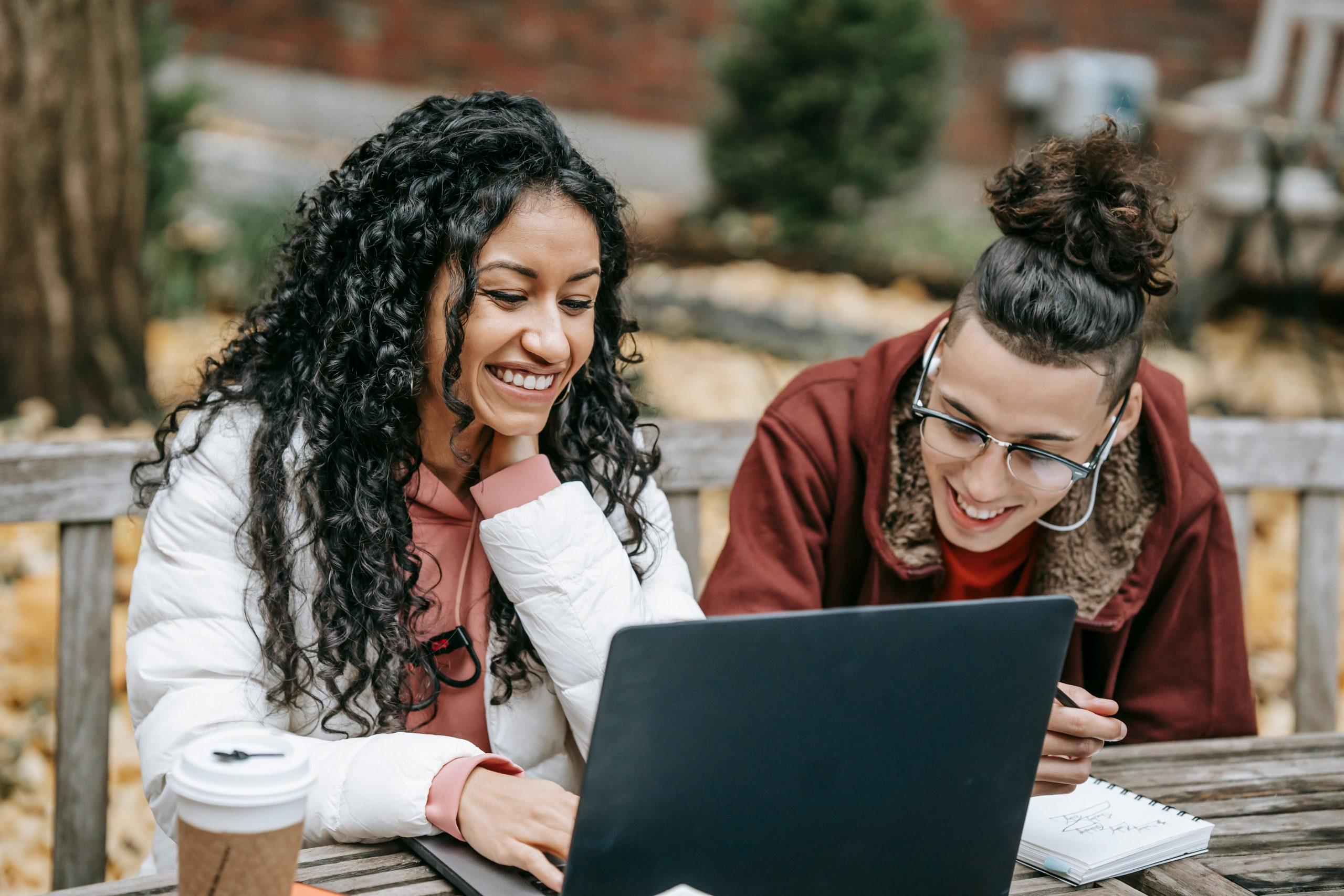
Social media allows for seamless collaboration between students, regardless of their physical location. It provides a platform for students to work together, share ideas, and collaborate on projects. This level of collaboration and peer-to-peer learning can improve critical thinking and problem-solving skills among students.
3. Access to Diverse Perspectives
Social media connects people from different backgrounds and cultures, providing a platform for diverse perspectives and ideas. In an educational context, this can greatly benefit students, allowing them to broaden their understanding and knowledge on various subjects.
4. Engagement and Motivation
Social media is inherently designed to facilitate engagement and promote user interaction. This makes it an effective tool for keeping students engaged and motivated in their learning. Various features such as polls, quizzes, and discussion forums can be used to make the learning experience more interactive and enjoyable.
5. Flexibility and Convenience
One of the significant advantages of using social media for educational collaboration is its flexibility and convenience. It eliminates the barriers of time and location, allowing students to access learning materials and interact with their peers and teachers at their convenience. This is especially beneficial for students with busy schedules or those who prefer a self-paced learning approach.
Best Practices for Utilizing Social Media in Education
While social media has numerous benefits, its usage in educational collaborations requires careful consideration and planning. Here are some best practices for effectively leveraging social media in education:
1. Establish Guidelines and Boundaries
Before incorporating social media into educational collaborations, it is crucial to establish guidelines and boundaries. This includes setting up rules for conduct, privacy, and safety to ensure a positive and secure environment for both students and teachers.
2. Use Appropriate Platforms
While there are numerous social media platforms, not all are suitable for educational collaborations. It is essential to choose platforms that align with the specific learning objectives and are approved by the educational institution.
3. Promote Digital Literacy
Digital literacy is an essential skill for students in the digital age. Therefore, it is crucial to educate students on appropriate online behavior, responsible use of social media, and critical thinking when it comes to consuming information on these platforms.
4. Encourage Active Participation
For successful educational collaborations, it is essential to encourage active participation from both teachers and students. This can be achieved by incorporating interactive elements, such as polls and discussions, into the learning process.
5. Monitor and Evaluate
It is important to continuously monitor the usage of social media in educational collaborations and evaluate its impact on learning outcomes. This will help identify areas of improvement and make necessary adjustments for better results.
In Conclusion
Social media has opened up a world of possibilities in education, making it a powerful tool for educational collaboration. Its widespread usage, accessibility, and numerous benefits make it an ideal platform for connecting teachers and students and fostering continuous communication and collaboration. By following best practices and utilizing its features effectively, social media can significantly enhance the learning experience and prepare students for the digital world ahead.