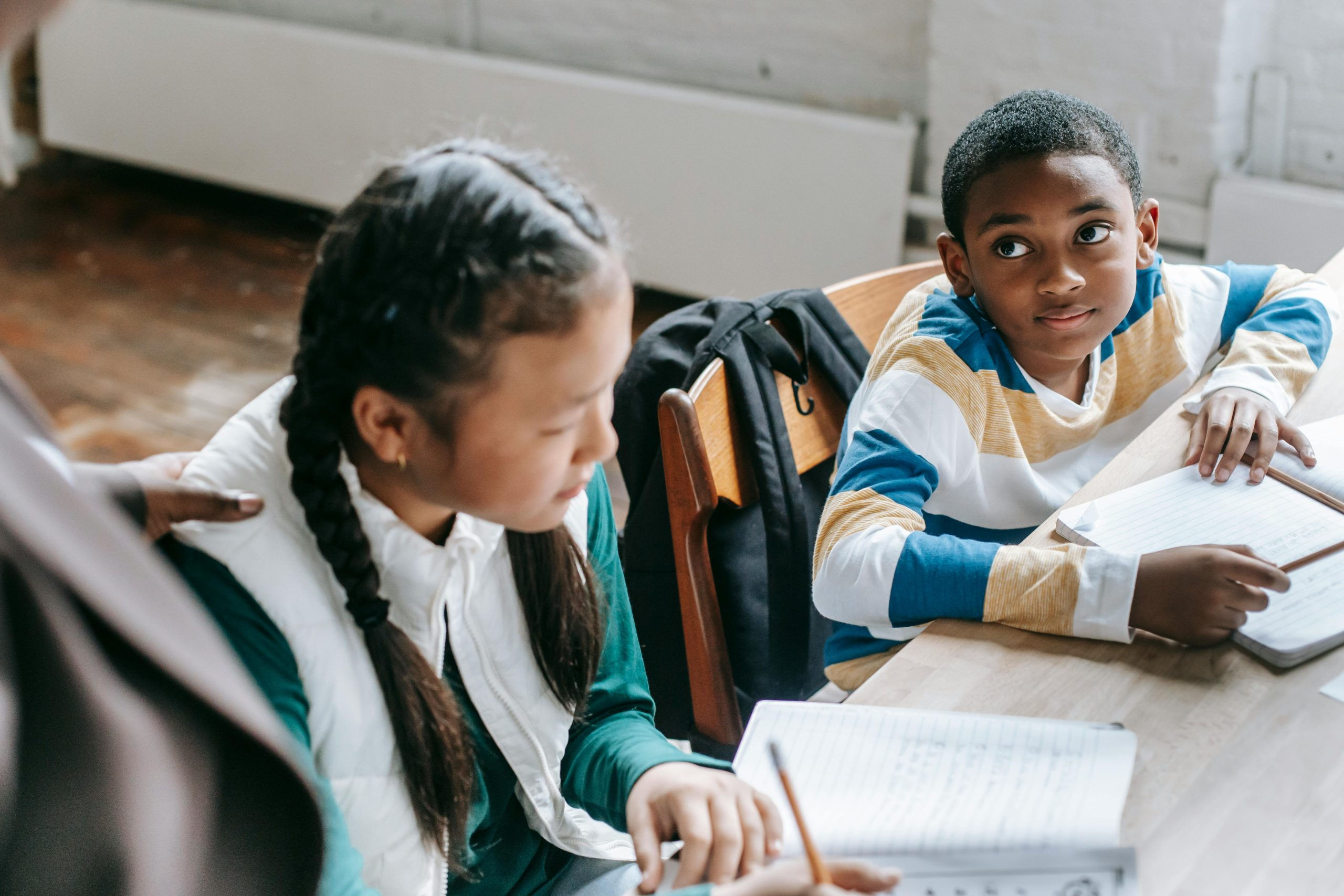
Diversity in schools has become increasingly prevalent in recent years as our world becomes more interconnected and diverse. It is essential for teachers to be equipped with the necessary skills to effectively educate and communicate with students from different cultural backgrounds. This is where culturally responsive teaching comes in, which aims to create a learning environment that embraces and celebrates diversity. In this article, we will delve into the importance of culturally responsive teaching in diverse schools and how it can create a more inclusive and supportive learning environment for all students.
The Definition of Culturally Responsive Teaching
Culturally responsive teaching is an educational approach that takes into consideration the cultural backgrounds, experiences, and realities of students and integrates them into classroom instruction. It focuses on creating a welcoming and inclusive environment that values the cultures, languages, traditions, and experiences of all students. This approach recognizes that students learn differently and that cultural differences can influence learning styles and attitudes towards education.
The Benefits of Culturally Responsive Teaching
1. Promotes Social and Emotional Well-Being
Culturally responsive teaching helps students feel valued and accepted for who they are, which can lead to a positive sense of self and improved self-esteem. It also promotes a sense of belonging and community among students, which is crucial for their social and emotional well-being. When students feel a sense of connection and belonging in their classroom, it can positively impact their mental health and academic performance.
2. Bridges the Gap in Achievement
Students from diverse cultural backgrounds often face challenges in the education system, such as language barriers and cultural differences. Culturally responsive teaching addresses these challenges by incorporating students’ backgrounds and experiences into the curriculum. This approach helps students feel more engaged and motivated to learn, leading to improved academic achievement and closing the achievement gap.
3. Fosters Cultural Understanding and Empathy
One of the main goals of culturally responsive teaching is to promote cultural understanding among students. By learning about diverse cultures, students gain a deeper understanding and appreciation for different perspectives, beliefs, and values. This, in turn, fosters empathy and respect for others, creating a more accepting and harmonious learning community.
Implementing Culturally Responsive Teaching in the Classroom
While the concept of culturally responsive teaching may seem simple, implementing it in the classroom requires intentional and continuous effort. Here are some ways teachers can incorporate this approach into their teaching:
1. Get to Know Your Students
Teachers should take the time to get to know their students on a personal level and learn about their cultural backgrounds, traditions, and experiences. By doing so, teachers can better understand their students’ needs and tailor their instruction to meet those needs.
2. Create a Culturally Inclusive Curriculum
Teachers should ensure that their curriculum is culturally inclusive and reflects the diversity of their students. This can include incorporating diverse literature, historical perspectives, and cultural celebrations into lessons.
3. Use Culturally Relevant Teaching Strategies
Teachers can engage students from diverse backgrounds by incorporating teaching strategies that are culturally relevant and meaningful to them. For example, using songs, videos, and games that reflect their culture and traditions can make learning more engaging and relatable.
4. Encourage Student Participation and Input
Teachers should encourage students to share their experiences, traditions, and knowledge in the classroom. This not only promotes a sense of pride in their culture but also allows other students to learn from their peers and build cultural understanding.
In Conclusion
Culturally responsive teaching is a crucial component of a diverse and inclusive education system. It creates a safe and supportive learning environment for students, promotes cultural understanding and empathy, and bridges the gap in achievement. By implementing this approach in the classroom, teachers can better meet the needs of their diverse student population and prepare them for a successful future in a globalized society.