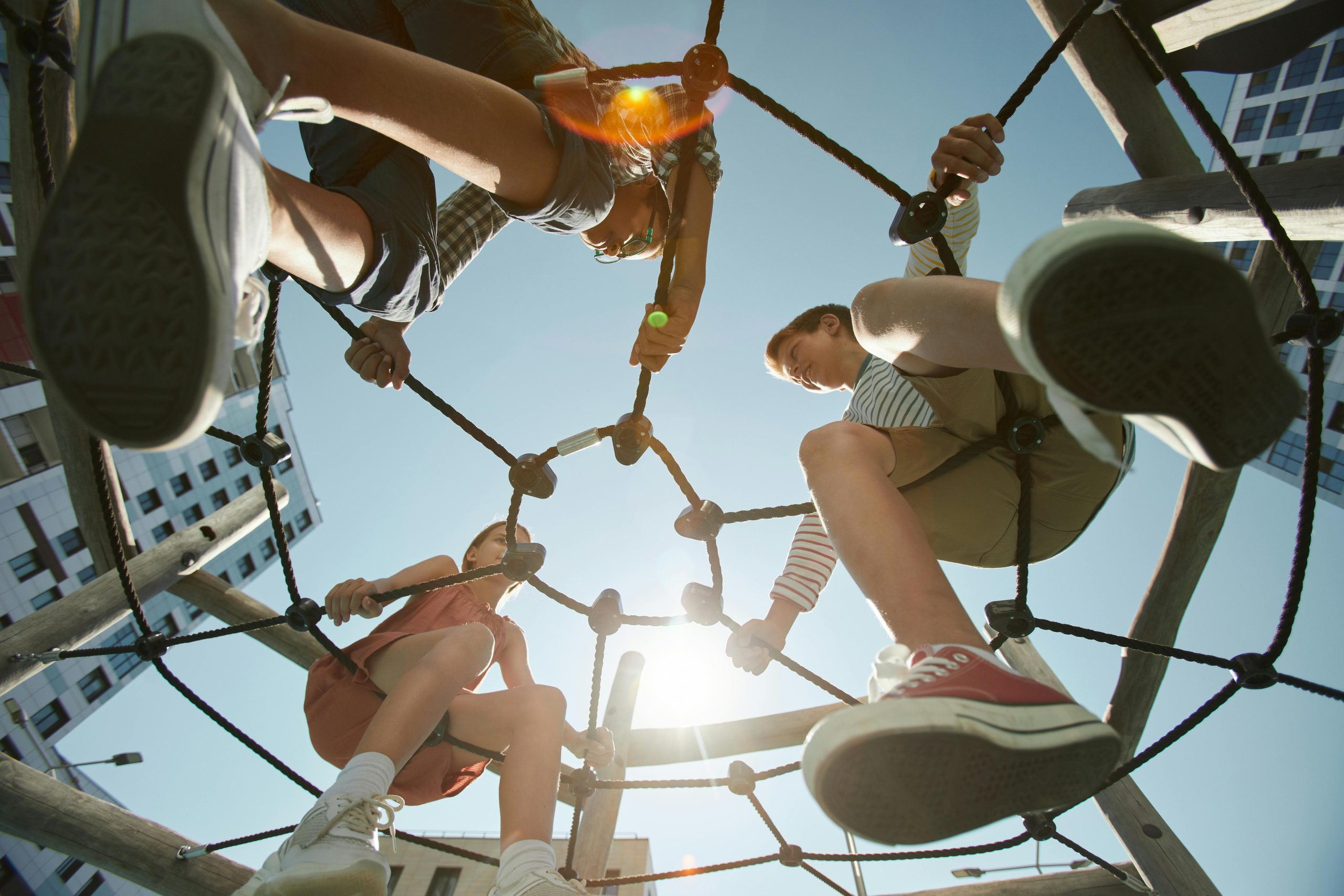
As educators constantly strive to improve the learning experience for their students, the concept of multi age classrooms has gained increasing attention. This approach, also known as a “vertical grouping” or “family-style” classroom, involves combining students of different ages and grades together in one classroom. While this may seem unconventional, the benefits of multi age classrooms for social development are undeniable. In this article, we will delve into the advantages of this teaching approach, highlighting its significant impact on students’ social development.
The Power of Peer Learning
One of the key benefits of multi age classrooms is the opportunity for peer learning. In traditional classrooms, students are grouped solely based on their age and grade, leaving little room for collaboration with peers of different ages. However, in multi age classrooms, younger students have the valuable opportunity to learn from older students and vice versa. This creates a supportive learning environment where students can share their knowledge, skills, and experiences, promoting social interaction and growth.
Promoting Empathy and Understanding
Multi age classrooms also foster a sense of empathy and understanding among students. When students interact with peers of different ages, they are exposed to diverse perspectives, backgrounds, and experiences. This not only helps them develop a more open-minded worldview, but it also teaches them the value of acceptance and respect for others. As a result, students become more compassionate and understanding individuals, traits that are crucial for social development.
Bridging the Gap Between Teachers and Students
In a traditional classroom setting, teachers act as the primary source of knowledge and authority. However, in multi age classrooms, teachers take on a different role – that of a facilitator and mentor. With students of different ages, teachers are encouraged to use various teaching approaches, allowing them to cater to the diverse needs and learning styles of their students. This shift in dynamics promotes a closer and more meaningful relationship between teachers and students, which, in turn, positively impacts students’ social development.
Encouraging Collaboration and Responsibility
Multi age classrooms also promote collaboration and responsibility among students. As students work and learn together, they are naturally inclined to help each other and take responsibility for their own learning. This peer-to-peer support system fosters a sense of belonging and creates a positive learning environment where students feel encouraged to take risks and learn from their mistakes. This, in turn, helps students develop essential social skills, such as teamwork, communication, and problem-solving.
Closing Thoughts
In conclusion, the benefits of multi age classrooms for social development are numerous. It not only promotes peer learning, empathy, and collaboration but also bridges the gap between teachers and students, creating a supportive and inclusive learning environment. As educators, it is essential to recognize the value of multi age classrooms and embrace this teaching approach to help students grow not only academically but also socially. After all, in today’s diverse and interconnected world, strong social skills are just as crucial as academic achievements.