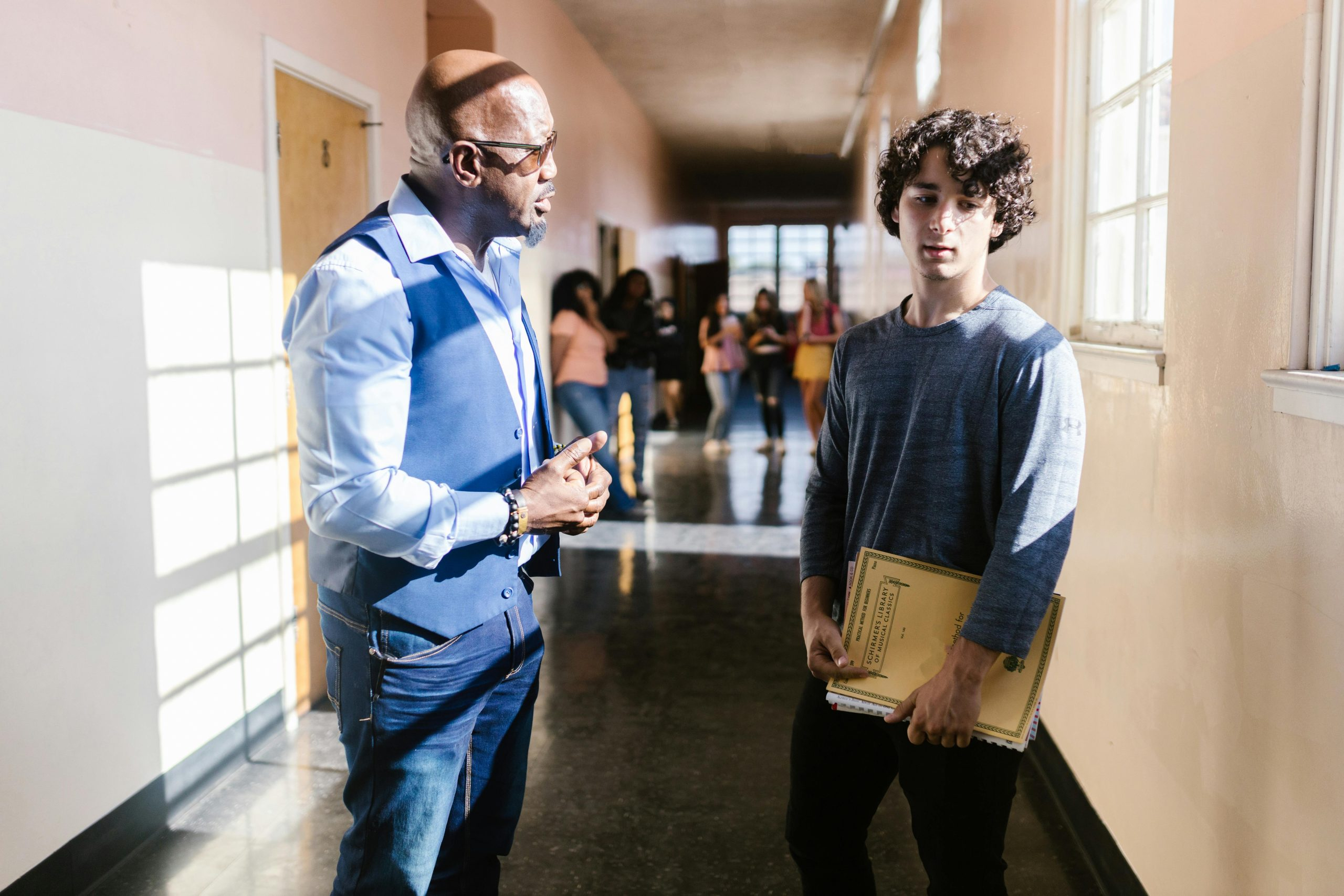
As an educator, it is crucial to support all students in the classroom, including the highly gifted ones. These students have advanced abilities and potential that require specialized attention and educational strategies. However, due to the traditional structure of general education settings, gifted students often face challenges in fully realizing their potential. In this article, we will explore how educators can effectively support gifted students in general education settings.
Understanding Giftedness
Before we dive into strategies for supporting gifted students, it’s important to understand what giftedness means. According to the National Association for Gifted Children, gifted individuals are those who demonstrate outstanding abilities and potential in areas such as intellectual, academic, creative, leadership, or artistic performance. These students have a unique thinking process and learning style that require differentiated and individualized approaches in the classroom.
Identification of Gifted Students
The first step in supporting gifted students is identifying them. Traditional methods such as standardized tests or IQ tests may not accurately identify these students. Educators should also consider observations, checklists, and portfolio assessments to identify gifted students. It’s essential to recognize that giftedness can manifest in different ways and may not be evident in academic performance alone.
Creating a Differentiated Learning Environment
Gifted students have unique learning needs, and a one-size-fits-all approach may not be effective. Educators must create a differentiated learning environment that caters to the individual needs of these students. This includes providing challenging and enriching activities, accelerating the pace of learning, and allowing for flexibility in assignments and assessments.
Encouraging Critical Thinking
Gifted students thrive in an environment that fosters critical thinking and problem-solving skills. Educators should encourage open-ended questions, creative projects, and opportunities for independent research. This allows gifted students to explore their interests and challenges them to think beyond the curriculum.
Collaborate With Parents and Peers
Collaboration with parents and peers is crucial in supporting gifted students. Educators should communicate regularly with parents, providing them with updates on their child’s progress and addressing any concerns. Involving parents in the educational process can also provide valuable insights into the student’s talents and interests, which can be incorporated into the classroom. Additionally, collaborating with peers can provide a supportive and stimulating learning environment for gifted students.
Providing Emotional Support
Along with academic support, it’s essential to provide emotional support to gifted students. These students may face social and emotional challenges due to their advanced abilities. Educators should create a safe and nurturing environment for these students to express their feelings and concerns. Counselors and peer support groups can also be beneficial in addressing the unique social and emotional needs of gifted students.
Continued Professional Development
To effectively support gifted students, educators must also continuously improve their knowledge and skills. Professional development opportunities focused on gifted education can provide educators with strategies and techniques to better support these students in the classroom. It’s essential to stay updated on current research and best practices in gifted education.
Conclusion
In conclusion, gifted students require specialized support in general education settings. Educators must understand the unique needs and characteristics of these students and create a differentiated learning environment to help them reach their full potential. Collaborating with parents and peers, providing emotional support, and investing in continuous professional development are essential in effectively supporting gifted students. By implementing these strategies, educators can create a supportive and challenging learning environment for gifted students to thrive in.