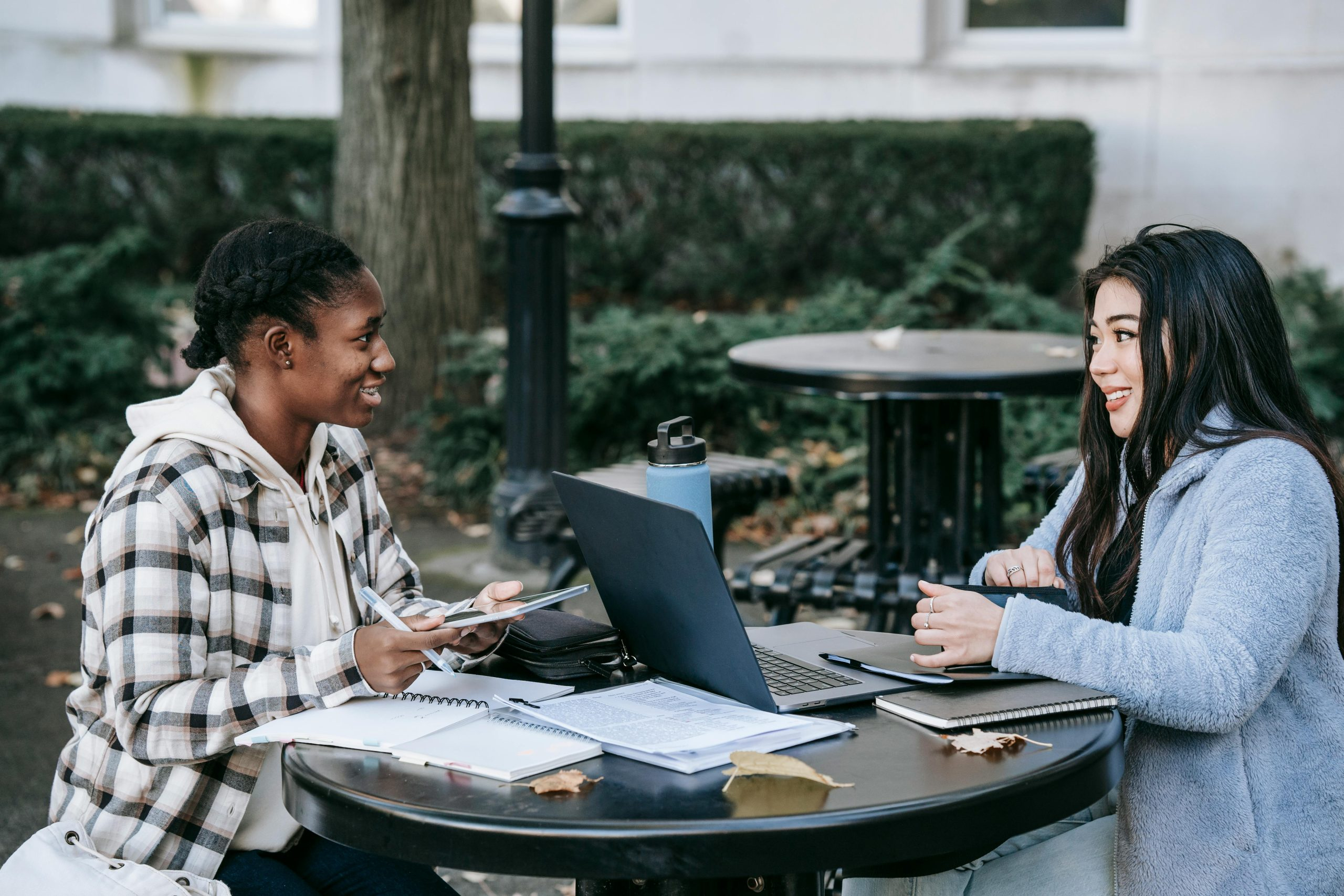
Making the transition from high school to college can be a daunting task for many students. The shift in environment, academics, and social life can leave even the most prepared high schoolers feeling overwhelmed. However, with the right preparation and guidance, this transition can be a smooth and successful one. In this article, we will explore the key factors that can help high schoolers effectively prepare for the transition to college and set them up for success. So, if you or someone you know is getting ready to make the leap to higher education, keep reading to find out how to make the most out of this exciting and challenging transition.
Understanding the Differences Between High School and College
The first step in preparing high schoolers for college is to understand and acknowledge the differences between the two. High school is a familiar and structured environment, where students have a set schedule and are guided by their teachers and parents. College, on the other hand, is a more independent and self-directed environment, where students have the freedom to choose their courses and manage their time.
High schoolers need to be aware of these differences and understand that college requires more self-motivation, self-discipline, and time management skills. They should also know that college courses are generally more rigorous, with a heavier workload and higher expectations. Setting realistic expectations and understanding the differences can help students avoid being caught off guard and feeling overwhelmed.
Encouraging Academic Readiness
Choose Challenging Courses
One of the best ways to prepare high schoolers for the academic challenges of college is to encourage them to take challenging courses in high school. This will not only help them develop the necessary skills and knowledge but also give them a taste of what to expect in college. High schoolers should take advantage of Advanced Placement (AP) classes, dual enrollment programs, and other challenging courses offered by their school.
Develop Strong Study Habits
Another crucial aspect of academic readiness is developing strong study habits. College courses require a significant amount of self-study and independent work, so it is essential for high schoolers to start developing these habits early on. Encourage your high schooler to create a study schedule, stick to deadlines, take effective notes, and seek help when needed. These skills will not only help them in college but also in any future academic or professional pursuits.
Fostering Independence and Self-Advocacy
Encourage Responsibility
As mentioned earlier, college requires a significant amount of self-discipline and independence. High schoolers should start taking on more responsibilities and decision-making in their daily lives to prepare for this shift. Parents can start by giving their children more freedom to make choices and decisions, such as choosing their courses or managing their personal schedule. This will help them feel more confident and prepared to handle the independence that comes with college life.
Teach Self-Advocacy Skills
In college, students are responsible for their own academic success. This means that they need to voice their concerns, ask for help, and advocate for themselves if needed. Parents and educators can help high schoolers develop these skills by teaching them how to communicate effectively, seek help when needed, and stand up for themselves. This will not only prepare them for college but also for any future challenges they may face.
Developing Social and Emotional Skills
Encourage Extracurricular Activities
Extracurricular activities are a great way for high schoolers to develop social and emotional skills. These activities provide opportunities for students to interact with others, develop teamwork skills, and discover new passions. They also help students to diversify their interests, which can come in handy when choosing a college or a major.
Discuss Coping Strategies
College can be a stressful and overwhelming time for many students. That’s why it is essential to discuss coping strategies with high schoolers before they make the transition. Parents and educators can help students identify their stress triggers and develop healthy coping mechanisms, such as exercise, meditation, or seeking support from friends and family. This will not only help students manage stress in college but also in their everyday lives.
Preparing for the Practical Aspects of College Life
Practice Financial Literacy
College comes with a lot of expenses, from tuition fees to living expenses. Therefore, preparing high schoolers for the financial responsibilities of college is crucial. Encourage them to learn about budgeting, managing credit, and saving money. They can start by getting a part-time job in high school to earn some money and develop money management skills.
Talk About College Resources
Lastly, it is important to inform high schoolers about the various resources available to them in college. These resources can include academic support services, tutoring, career services, and mental health services. Knowing about these resources and how to access them can make the college transition more manageable and less overwhelming for students.
Overall, preparing high schoolers for a successful college transition requires a combination of academic readiness, independence, and social and emotional skills. By understanding the differences between high school and college, fostering independence, developing life skills, and preparing for the practical aspects of college life, high schoolers can make a smooth transition to higher education and set themselves up for success. So, whether you are a parent, teacher, or high schooler yourself, make sure to start preparing early and make the most out of this exciting new chapter in life!