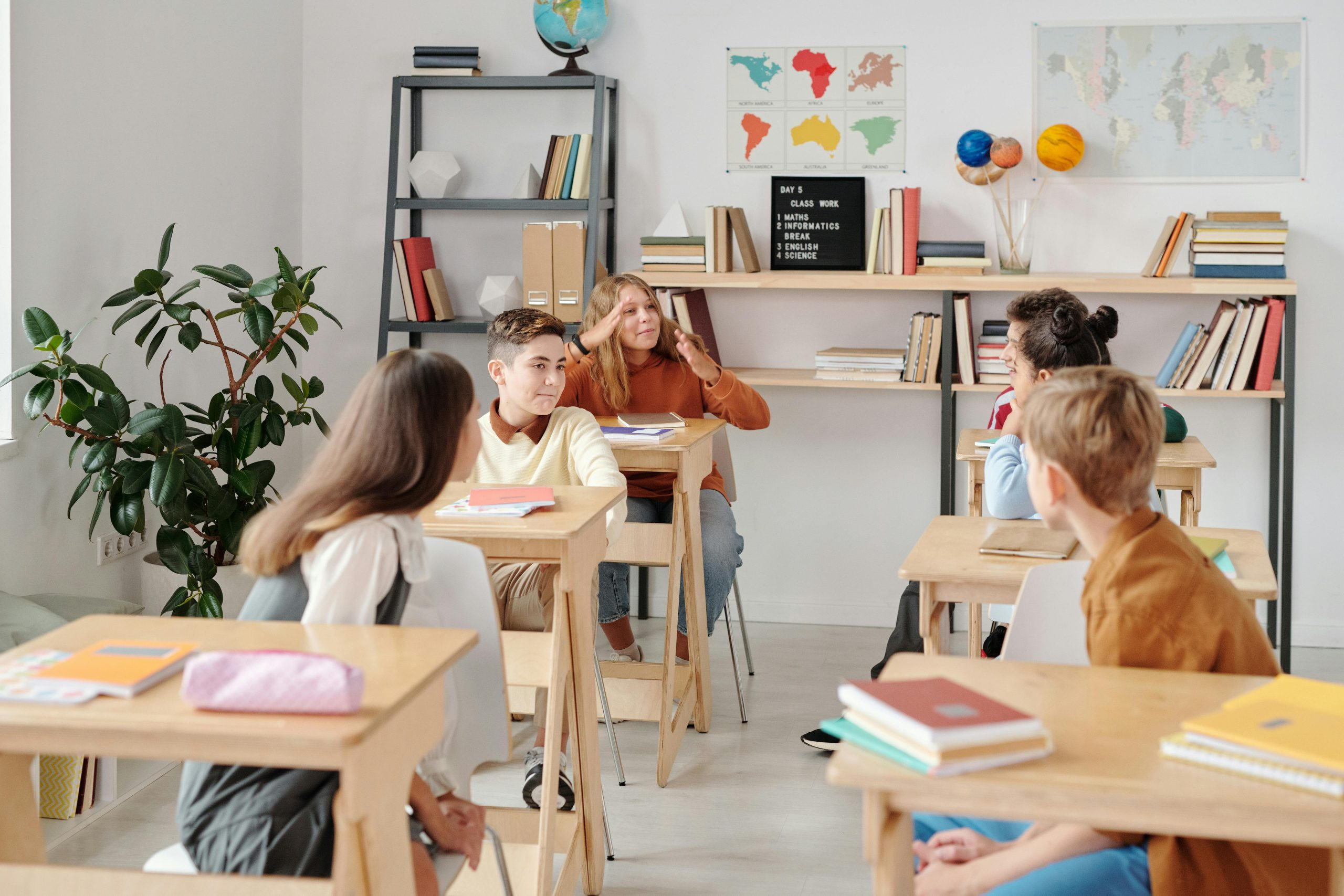
Project Based Learning (PBL) is a student-centered approach to education that promotes engagement and collaboration through hands-on, real-world projects. As high school students prepare for life beyond graduation, PBL offers a unique and valuable learning experience that can prepare them for success in college and the workforce. In this article, we will explore the essential benefits of Project Based Learning in high school and why it should be an integral part of every student’s education.
The Importance of Project Based Learning in High School
As traditional education continues to shift towards more student-driven and project-based approaches, it is crucial for high schools to incorporate PBL into their curriculum. Here are some of the essential benefits that students can gain from Project Based Learning in high school.
1. Develops Critical Thinking and Problem-Solving Skills
One of the primary goals of PBL is to provide students with opportunities to think critically and creatively. By working on real-world projects, students are challenged to apply their knowledge and skills to solve complex problems. This process allows them to develop critical thinking and problem-solving skills that are vital for success in college and the workforce.
2. Fosters Collaboration and Communication
In PBL, students are required to work in groups, which encourages collaboration and communication. By learning how to work effectively with their peers, students develop essential teamwork skills that are crucial for success in any career. They also learn how to effectively communicate their ideas and work together towards a common goal, preparing them for future work environments.
3. Increases Engagement and Motivation
PBL offers a more engaging and personalized learning experience for students. By working on projects that align with their interests and passions, students are more motivated to participate and take ownership of their learning. This engagement leads to a deeper understanding of the subject matter and higher levels of achievement.
4. Authentic Learning Opportunities
One of the key characteristics of PBL is that it provides students with authentic and meaningful learning opportunities. By working on projects that simulate real-world situations, students can apply their learning in a practical setting. This approach not only makes learning more relevant but also prepares students for the challenges and demands of life after high school.
5. Enhances Creativity and Innovation
Projects in PBL often require students to think outside the box and come up with creative solutions. This approach fosters innovation and encourages students to explore new ideas and approaches. By encouraging students to take risks and be innovative, PBL prepares them to become future leaders and problem-solvers.
6. Provides a Well-Rounded Education
In addition to academic knowledge, PBL also focuses on developing essential life skills such as time management, organization, and self-directed learning. These skills are crucial for students to succeed in college and beyond. By combining academic learning with real-world application and skill development, PBL offers a well-rounded education for high school students.
Conclusion
As the world continues to evolve, the skills and competencies required for success are also changing. Project Based Learning provides a unique and valuable approach to education that can prepare high school students for the challenges and demands of the 21st century. By developing critical thinking, collaboration, and creativity, PBL offers essential benefits that every high school student should have access to. It is time for schools to embrace PBL and provide their students with a well-rounded and meaningful education.