Category: Lifestyle

  • Why Walking Every Day Is The Best Low Impact

    Why Walking Every Day Is The Best Low Impact

    Are you looking for a low impact exercise that can improve your physical and mental well-being without putting too much strain on your body? Look no further than walking! This simple and accessible form of exercise is often overlooked, but it comes with a multitude of benefits that make it the perfect choice for individuals of all ages and fitness levels. In fact, walking every day is not only the best low impact form of exercise, but it also comes with numerous long-term health benefits. Let’s take a closer look at why walking every day is the key to a healthier and happier life.

    The Many Benefits of Walking Every Day

    Walking may seem like a simple and mundane activity, but in reality, it has a profound impact on our physical, mental, and emotional well-being. Here are just some of the benefits that regular walking can provide:

    1. Low Impact Exercise

    One of the biggest advantages of walking is that it is a low impact exercise, which means it puts less strain on your joints compared to high impact exercises like running or aerobics. This makes it a great option for individuals who suffer from joint pain or have existing injuries that restrict them from engaging in other forms of physical activity.

    2. Improves Cardiovascular Health

    Walking is a moderate intensity exercise that gets your heart rate up and increases blood circulation throughout your body. This, in turn, strengthens your heart, reduces the risk of heart disease, and can even lower blood pressure and cholesterol levels.

    3. Helps with Weight Management

    By incorporating a daily walk into your routine, you can burn extra calories and maintain a healthy weight. Walking at a brisk pace for 30 minutes can burn up to 150-200 calories, making it an effective way to achieve your weight loss goals.

    4. Boosts Mental Health

    Walking has been proven to have a positive impact on our mental health. It releases endorphins, also known as the “feel-good” hormones, which can help reduce stress, anxiety, and symptoms of depression. Plus, walking outdoors in nature can have a calming effect on the mind and help you unwind.

    5. Strengthens Muscles and Bones

    While walking is a low impact exercise, it still engages multiple muscle groups in your body. By walking regularly, you can strengthen your leg, core, and arm muscles, as well as improve bone density and reduce the risk of osteoporosis.

    How to Make the Most of Your Daily Walk

    In order to reap the full benefits of walking, it’s important to make your daily walk more intentional and purposeful. Here are a few tips to help you make the most of your daily walk:

    1. Set a Goal

    Start by setting a daily or weekly walking goal for yourself. This could be a specific distance, duration, or number of steps. Having something to work towards can keep you motivated and make your walks more challenging.

    2. Switch Up Your Route

    If you usually walk the same route every day, try changing things up. Walking in different locations can provide new scenery and keep things interesting. You could even incorporate hills or stairs to add some extra intensity to your walk.

    3. Wear Comfortable Shoes

    Invest in a good pair of walking shoes that provide proper support and cushioning for your feet. This will help prevent any discomfort or pain and make your walks more enjoyable.

    4. Listen to Music or a Podcast

    Listening to music or a podcast can make your walks more entertaining and help pass the time. Just make sure to be aware of your surroundings and keep the volume at a safe level.

    5. Walk with a Friend or Furry Companion

    Invite a friend or take your dog along for a walk. Not only is it more fun to have company, but it can also provide an added level of accountability and motivation to stick to your daily walking routine.

    In conclusion, walking every day is the best low impact form of exercise with multiple benefits for both physical and mental health. It’s a simple, cost-effective, and accessible way to stay active and improve your overall well-being. So, lace up your walking shoes and start reaping the many benefits of this underrated form of exercise today!


  • The Impact Of Natural Light On Your Daily Mood

    The Impact Of Natural Light On Your Daily Mood

    Natural light has been a source of fascination and inspiration for centuries. From the ancient civilizations to modern design, it has been recognized for its positive influence on human health and well-being. It’s no coincidence that when we think of happiness, we often picture bright, sunny days. But how exactly does natural light impact our daily mood? In this article, we’ll delve into the science behind natural light and its effects on our mood and overall well-being.

    The Importance of Natural Light

    Natural light is the light that comes from the sun and is an essential element of life. It not only illuminates our surroundings, but it also plays a crucial role in regulating our body’s biological clock, known as the circadian rhythm. Our bodies evolved to function based on natural light, and as a result, our internal clock controls our sleep-wake cycle, alertness, hormones, and more.

    The Impact on Mood and Emotions

    The amount and quality of natural light we are exposed to can significantly affect our mood and emotions. Research has shown that natural light exposure has a positive impact on our overall well-being and can improve our mood, reduce stress, and increase mental alertness. Sunlight triggers the release of serotonin, the feel-good chemical in our brains, which can help boost our mood and make us feel more energized.

    Moreover, natural light helps regulate the production of the hormone melatonin, which is responsible for regulating our sleep-wake cycle. When our body’s production of melatonin is in sync with our circadian rhythm, we experience better quality sleep, leading to increased energy and a better mood throughout the day.

    The Connection to Mental Health

    The lack of exposure to natural light has been linked to various mental health issues, including depression and anxiety. Research has shown that people who spend more time indoors or in spaces with little natural light are more likely to experience symptoms of depression and anxiety. This is because natural light exposure triggers the release of endorphins, which can help alleviate stress and boost our mood.

    In addition, natural light plays a crucial role in our body’s production of vitamin D, also known as the “sunshine vitamin.” Vitamin D helps regulate mood and has been linked to the prevention of mental health disorders such as depression and seasonal affective disorder (SAD).

    Maximizing Natural Light for Better Mood

    Given the undeniable impact of natural light on our mood, it’s essential to make sure we are getting enough of it. Here are a few tips to help maximize natural light in your daily life:

    Open Up Your Space

    The most obvious way to bring more natural light in is to open up your space. Keeping your curtains open or adding more windows to your home or office can significantly increase the amount of natural light you’re exposed to daily.

    Use Light-Reflecting Colors

    Colors play a vital role in how natural light is reflected in a space. White, light-colored walls, ceilings, and furniture can help reflect natural light, making a room appear brighter and enhancing its mood-boosting effects.

    Take Breaks Outdoors

    If you work or spend most of your day indoors, it’s essential to take breaks and spend some time outdoors. Even a short walk outside can help boost natural light exposure and improve your mood.

    Invest in Light Therapy

    In case you don’t have access to natural light or want to boost your exposure, you can consider investing in light therapy. Light therapy boxes mimic natural light and can be beneficial, especially for those who live in areas with limited natural light or during the winter months when days are shorter.

    Conclusion

    Natural light is a critical element in our daily lives that has a significant impact on our mood and overall well-being. From regulating our body’s internal clock to boosting serotonin levels and preventing mental health disorders, the benefits of natural light are undeniable. So the next time you feel down or stressed, try getting out into the sunshine and let the magic of natural light boost your mood and make you feel more energized and alive.

  • How To Discover Your Personal Passion Projects This Year

    How To Discover Your Personal Passion Projects This Year

    Are you feeling stuck in your daily routine? Do you find yourself constantly daydreaming about pursuing something more meaningful and fulfilling? If so, you’re not alone. Many people struggle to discover their personal passion projects, but the good news is, it’s never too late to start. This year, make it a goal to uncover what truly ignites your soul and find the motivation to pursue it. In this article, we will explore some proven strategies to help you discover your personal passion projects for the year ahead.

    Understanding Passion Projects

    Before we dive into how to discover your personal passion projects, let’s first define what they are. A passion project is something that brings you joy and fulfillment beyond your everyday responsibilities and obligations. It could be a hobby, a creative outlet, or a cause that you are deeply passionate about. Unlike your job or career, there is no external pressure or deadline for your passion project. It is a personal endeavor that you choose to pursue because it makes you happy.

    Reflect on Your Interests and Values

    The first step in discovering your personal passion project is to reflect on your interests and values. Think about the things that you enjoy doing in your free time or the causes that you feel strongly about. Consider the skills and talents that you possess and how you could use them in a meaningful way. What are your core values and beliefs? How can you incorporate them into a passion project?

    For example, if you enjoy cooking and value sustainability, your passion project could be creating a cookbook featuring plant-based, eco-friendly recipes. If you are passionate about education and have a talent for communication, you could start a blog or YouTube channel to share your knowledge and insights.

    Step Outside Your Comfort Zone

    It’s easy to get caught up in our daily routines and stick to what we know. However, sometimes our true passions lie just outside our comfort zone. Make an effort to try new things and explore different interests. Attend workshops or classes in subjects that you’ve always been curious about. Join a club or group that aligns with your values. You never know, you may discover a hidden passion that you never knew you had.

    Start Small and Take Action

    The key to discovering your personal passion projects is to allow yourself to experiment and take action. Don’t put pressure on yourself to have it all figured out from the start. Instead, start small and try different things until you find something that resonates with you. Take some time each week to dedicate to your passion project and see where it takes you.

    Network and Connect with Like-Minded People

    Surrounding yourself with people who share similar interests and passions can be incredibly motivating. Joining groups or attending events related to your potential passion project is an excellent way to meet new people and gain insight and inspiration. You may even find mentors who can guide you on your journey and offer valuable advice.

    For example, if your passion project involves gardening, connecting with experienced gardeners in your community can help you learn new techniques and keep you motivated. If your passion project is more creative, attending workshops or conferences can introduce you to like-minded individuals who can offer valuable feedback and support.

    Embrace Challenges and Continue Evolving

    Finally, it’s essential to remember that the journey to discovering your personal passion projects is not always easy. There will be challenges, setbacks, and moments of self-doubt. But these experiences are all part of the process. Embrace them as opportunities to learn and grow. And remember that your passion project may evolve and change over time, which is entirely normal.

    Also, don’t be afraid to take a break or step back if you need to. It’s okay to take breaks or let go of a passion project that no longer brings you joy. The most important thing is to keep exploring and trying new things until you find something that truly lights you up.

    In Conclusion

    Discovering your personal passion projects is a journey that requires self-reflection, experimentation, and action. It takes time and effort to uncover what truly brings you joy and fulfillment, but the rewards are immeasurable. So this year, make it a goal to explore your interests, take action, and connect with like-minded individuals. Embrace the challenges and allow yourself to evolve. Before you know it, you’ll be well on your way to discovering your personal passion project for a happier and more fulfilling life.

  • Essential Tips For Transitioning To A Sustainable Minimalist Lifestyle

    Essential Tips For Transitioning To A Sustainable Minimalist Lifestyle

    Welcome to the world of sustainable minimalist living! With the increasing urgency to take care of our planet and the growing popularity of minimalism, the concept of sustainable minimalist lifestyle has become more relevant than ever. It’s a simple yet powerful lifestyle that focuses on reducing waste, consuming consciously, and organizing our surroundings to create a more fulfilling and balanced life. Transitioning to this lifestyle may seem daunting at first, but trust us, it’s well worth the effort. In this article, we will discuss some essential tips to help you on your journey to a sustainable minimalist lifestyle.

    What is a Sustainable Minimalist Lifestyle?

    Before we dive into the tips, let’s first understand what sustainable minimalist lifestyle means. Put simply, it’s a way of living that prioritizes the environment and values experiences over material possessions. This lifestyle embraces the idea of “less is more” and encourages us to be more mindful of our consumption habits. By adopting a sustainable minimalist lifestyle, we can reduce waste, minimize our carbon footprint, and create a sense of harmony within ourselves and with the planet.

    Essential Tips for Transitioning to a Sustainable Minimalist Lifestyle

    1. Start Small

    The key to successfully transitioning to a sustainable minimalist lifestyle is to start small. Trying to make numerous changes all at once can be overwhelming and may lead to burnout. Instead, focus on making one change at a time and incorporating it into your daily routine. For example, you can start by decluttering your wardrobe and then move on to other areas of your life like your kitchen or bathroom. Taking small steps will help you stay motivated and make the transition more manageable.

    2. Declutter and Organize

    One of the fundamental principles of minimalism is decluttering. Get rid of all the items that you no longer need, use, or love. Be honest with yourself and purge any excess possessions that are only cluttering your space. This includes clothes, books, decorations, kitchen appliances, and anything else that does not bring you joy. Once you have decluttered, organize the items you choose to keep in a way that is simple, efficient, and sustainable. This will not only make your space look tidier but also make it easier to maintain a minimalistic lifestyle.

    3. Adopt a “One In, One Out” Rule

    To prevent clutter from creeping back into your life, adopt the “one in, one out” rule. Whenever you purchase a new item, get rid of an existing one. This will help you maintain a clutter-free and minimalist lifestyle. Before making a purchase, ask yourself if you truly need the item or if it will add value to your life. If not, consider finding an alternative or avoiding the purchase altogether.

    4. Embrace Natural and Eco-Friendly Products

    In addition to decluttering and organizing your space, make an effort to switch to more natural and eco-friendly products. This applies to everything from household cleaners to personal care products. Look for products that are free from harmful chemicals and made from sustainable materials. You can also opt for DIY products or choose to buy from small businesses that prioritize sustainability.

    5. Reduce Food Waste and Buy Local

    Transitioning to a sustainable minimalist lifestyle also involves being conscious of our food consumption. Reducing food waste is crucial in minimizing our carbon footprint. Be mindful of your food purchases and plan your meals to avoid food waste. Additionally, try to buy local produce as much as possible to reduce your carbon footprint and support your local economy. You can also consider starting a small garden to grow some of your own fruits and vegetables.

    6. Learn to Be Content with Less

    A minimalist lifestyle teaches us to be content with having less. It’s essential to understand that material possessions do not equal happiness and that true fulfillment comes from experiences and relationships. Instead of constantly chasing the latest trends and accumulating unnecessary items, focus on cultivating a simpler and more purposeful life.

    7. Let Go of Perfection

    Finally, remember to let go of the idea of perfection. A sustainable minimalist lifestyle is not about having a perfectly organized home or owning only a select number of possessions. It’s about finding a balance that works for you and aligns with your values. Strive for progress, not perfection, and be kind to yourself throughout this journey.

    Transitioning to a sustainable minimalist lifestyle may take time and effort, but the rewards are fulfilling and long-lasting. Keep in mind that it’s not a one-time process, it’s a continuous journey. By following these essential tips, you can make the transition smoother and enjoy the benefits of a sustainable minimalist lifestyle. So, what are you waiting for? Let’s embrace a simpler, more mindful, and sustainable way of living.

  • Why Deep Sleep Is The Foundation Of Healthy Living

    Why Deep Sleep Is The Foundation Of Healthy Living

    As we all know, sleep is essential for our overall health and well-being. It is a time when our bodies can rest and recharge, giving us the energy we need to tackle the day ahead. However, not all sleep is equal. The quality of our sleep plays a significant role in our health, and deep sleep is a crucial factor in that equation. In this article, we will explore the importance of deep sleep and its impact on our physical and mental well-being. So, grab your favorite pillow and get ready to learn why deep sleep is the foundation of healthy living.

    The Science Behind Deep Sleep

    First, let’s dive into what exactly deep sleep is and why it is essential. Deep sleep, also known as slow-wave sleep, is the stage of sleep when our brain activity slows down, and our body goes into a state of relaxation. The brain produces slow delta waves during this stage, and it typically occurs in the first half of the night.

    So, what happens in our bodies during deep sleep? Our muscles get the chance to repair and grow, and our cells can regenerate. As a result, deep sleep plays a vital role in physical recovery from illnesses and injuries. Moreover, during deep sleep, the brain flushes out toxins and consolidates memories, leading to improved cognitive function and a sharper memory.

    The Link Between Deep Sleep and Physical Health

    Boosts the Immune System

    Studies have shown that deep sleep can boost our immune system and help us fight off infections and diseases. Lack of deep sleep can weaken our immune system, making us more susceptible to illnesses. Getting enough deep sleep can increase the number of natural killer cells – a type of white blood cells that help our bodies fight off infections and diseases.

    Regulates Hormones and Metabolism

    Deep sleep also plays a significant role in regulating our hormones and metabolism. Getting enough deep sleep can help keep our hormones in balance, which can prevent weight gain and metabolic disorders. On the other hand, a lack of deep sleep can lead to an imbalance in hormones such as cortisol and ghrelin, which can increase our appetite and make us crave unhealthy foods.

    Reduces the Risk of Chronic Diseases

    Inadequate deep sleep has been linked to an increased risk of chronic diseases such as diabetes, heart disease, and even certain types of cancer. Studies have shown that people who get enough deep sleep have a lower risk of developing these diseases and have a better overall health.

    The Connection Between Deep Sleep and Mental Health

    Improves Mood and Emotional Well-being

    Getting enough deep sleep can have a positive impact on our mood and emotional well-being. Lack of deep sleep can lead to irritability, mood swings, and an increased risk of developing mental health issues such as anxiety and depression. On the other hand, proper deep sleep can improve our emotional regulation and make us feel more positive and productive.

    Reduces Stress and Anxiety

    Deep sleep has been proven to have a calming effect on our bodies and minds. During deep sleep, our bodies produce less cortisol – the stress hormone, which can lead to reduced levels of stress and anxiety. Getting enough deep sleep can significantly improve our mental health and help us manage daily stressors more effectively.

    Enhances Creativity and Problem-Solving Abilities

    Deep sleep is essential for our brain’s cognitive functions, including creativity and problem-solving. During deep sleep, our brains process and consolidate information, allowing us to think more creatively and come up with innovative solutions to problems. Lack of deep sleep can lead to difficulty in concentrating, impaired decision-making abilities, and decreased productivity.

    Tips for Improving Deep Sleep

    Now that we understand the importance of deep sleep let’s look at some practical tips for improving our quality of sleep:

    Establish a Consistent Sleep Schedule

    Going to bed and waking up at the same time each day can help regulate our body’s internal clock, leading to more restful and deeper sleep.

    Create a Relaxing Sleep Environment

    Make sure your bedroom is dark, cool, and quiet. Consider using a white noise machine or earplugs to block out any external noise that may disrupt your sleep. Additionally, try to limit screen time before bed, as the blue light from electronics can interfere with our body’s production of melatonin – the hormone that helps us sleep.

    Practice Good Sleep Hygiene

    Avoid caffeine, heavy meals, and alcohol close to bedtime. Instead, opt for a light snack like a banana, which contains magnesium that can promote relaxation. Also, try to avoid intense exercise or stimulating activities a few hours before bed, as they can make it harder for us to fall asleep.

    Conclusion

    Deep sleep is an essential process that is crucial for our physical and mental well-being. It allows our bodies to repair and recharge, which is essential for maintaining a healthy lifestyle. By understanding the science behind deep sleep and implementing good sleep habits, we can improve our quality of sleep and ultimately live a healthier and more fulfilling life.

  • The Benefits Of Decluttering Your Physical And Mental Space

    The Benefits Of Decluttering Your Physical And Mental Space

    In today’s fast-paced world, clutter has become a common problem for many individuals. Whether it’s in the physical world, such as having a messy and disorganized living space, or in the mental realm, where our thoughts and emotions are cluttered and chaotic, clutter can have a negative impact on our well-being. However, the act of decluttering, both physically and mentally, can bring about numerous benefits that can improve our overall quality of life. In this article, we will explore the benefits of decluttering your physical and mental space and how it can positively impact your life.

    The Importance of Decluttering

    Before we dive into the benefits of decluttering, let’s first understand the importance of decluttering. Simply put, decluttering is the process of sorting, organizing, and purging unnecessary items or thoughts from our lives. It may seem like a mundane task, but decluttering can have a significant impact on our well-being.

    Physical Space

    When we think of decluttering, the first thing that comes to mind is our physical space. A cluttered living space can lead to a cluttered mind, making it difficult to focus and relax. Not to mention, a cluttered space can be a breeding ground for dust, allergens, and bacteria, which can have a negative impact on our physical health.

    By decluttering and organizing our living space, we create a peaceful and stress-free environment. This, in turn, can help us feel more relaxed and focused, making it easier for us to complete our daily tasks without distractions.

    Mental Space

    Our mental space is just as important as our physical space. When our minds are cluttered with negative thoughts, worries, and anxieties, it can be challenging to find inner peace and happiness. In today’s fast-paced and technology-driven world, it’s easy to get overwhelmed and feel like our minds are constantly racing.

    Decluttering our mental space can help us let go of negative thoughts and emotions, allowing us to focus on the present moment. It can also help us gain clarity and perspective, making it easier to prioritize and manage our thoughts. This, in turn, can lead to reduced stress and anxiety levels, allowing us to feel more at peace and in control.

    The Benefits of Decluttering Your Physical and Mental Space

    1. Improved Productivity

    As mentioned earlier, a cluttered space can make it challenging to focus and complete tasks efficiently. By decluttering your physical space, you make it easier for your brain to concentrate, leading to increased productivity. Similarly, decluttering your mental space can help reduce distraction and improve your ability to focus on important tasks.

    2. Reduced Stress and Anxiety

    Having a cluttered living space can lead to feelings of stress and overwhelm. On the other hand, a decluttered and organized space can evoke feelings of calmness and relaxation. Similarly, decluttering your mental space can help reduce stress and anxiety levels, allowing you to feel more in control and at peace.

    3. More Space and Freedom

    As the saying goes, “less is more.” By decluttering and getting rid of unnecessary items or thoughts, you create more physical and mental space. This can lead to a sense of freedom and lightness, allowing you to move around and think more freely.

    4. Improved Relationships

    Clutter can also affect our relationships with others. A cluttered and disorganized living space can lead to tension and conflict with roommates, family members, or partners. Decluttering your physical space can help create a harmonious and peaceful environment, improving relationships with those around you. Similarly, decluttering your mental space can help you become more present and engaged in your relationships, leading to stronger and more meaningful connections.

    5. Better Sleep

    A messy and cluttered bedroom can make it difficult to relax and sleep peacefully. By decluttering your physical space and keeping your bedroom clean and organized, you create a calm and inviting environment that promotes better sleep. Additionally, decluttering your mental space can help quiet your mind and alleviate any racing thoughts, making it easier to fall and stay asleep.

    In Conclusion

    Decluttering your physical and mental space can have numerous benefits that can positively impact your life. By creating a clean and organized physical environment and a clutter-free mental space, you can improve productivity, reduce stress and anxiety, and enhance your relationships. So take some time to declutter and enjoy the endless benefits it has to offer.

  • How To Build Meaningful Connections In A Digital World

    How To Build Meaningful Connections In A Digital World

    In today’s fast-paced and increasingly digital world, it can be easy to get lost in the constant stream of information and communication. As technology continues to advance and social media becomes more prevalent, it can be challenging to build meaningful connections with others. However, despite these challenges, creating and maintaining genuine connections is more critical than ever in both our personal and professional lives. In this article, we will explore how to build meaningful connections in a digital world and why it is essential for our overall well-being and success.

    The Importance of Meaningful Connections

    Before we delve into how to build meaningful connections in a digital world, it’s essential to understand why they are vital. Humans are social creatures, and we have a deep-rooted need for connection and belonging. Studies have shown that individuals with strong social connections are not only happier but also have better mental and physical health. Additionally, meaningful connections can positively impact our personal and professional growth. Whether it’s forming supportive friendships or networking for career opportunities, creating genuine connections can lead to a more fulfilling and successful life.

    Challenges In A Digital World

    Although technology has made it easier to connect with others, it has also presented some challenges when it comes to building meaningful relationships. One of the main issues is the misconception that the number of social media followers or likes equates to genuine connections. While social media can be a useful tool for staying connected with friends and family, it can also create a false sense of connection. Many individuals may have hundreds or even thousands of online connections but lack meaningful and fulfilling relationships in real life.

    Another challenge is the lack of face-to-face interaction in the digital world. With the rise of texting, messaging, and video calls, it’s becoming rarer to have meaningful conversations in person. As a result, it can be difficult to establish a deeper connection with someone when our interactions are confined to a screen. Moreover, the constant bombardment of information and the temptation to scroll through social media can also be distracting and make it challenging to focus on building meaningful connections.

    How To Build Meaningful Connections in A Digital World

    1. Be Authentic and Vulnerable

    The first step to creating meaningful connections is to be authentic and vulnerable. In a digital world where everyone is portraying their highlight reels, it can be refreshing to show your true self. Share your thoughts, feelings, and experiences honestly with others. Not only will this help you form more genuine connections, but it will also encourage others to do the same. Being vulnerable can lead to more meaningful and fulfilling conversations, ultimately strengthening your relationships.

    2. Make Time for Face-To-Face Interactions

    While staying connected online is essential, it’s also crucial to make time for face-to-face interactions. Meeting in person allows for more meaningful conversations and strengthens connections. Whether it’s grabbing a coffee, going for a walk, or attending events together, making time to see someone in person can make a significant difference in building a genuine relationship.

    3. Listen and Show Interest

    The key to building meaningful connections is to listen and show genuine interest in others. When engaging in conversations, be present, and actively listen to what the other person is saying. Ask genuine questions and show curiosity in their thoughts and experiences. By showing interest, you are not only building a stronger connection, but you are also learning and growing as a person.

    4. Engage In Common Interests

    One way to form meaningful connections is to engage in common interests with others. Joining a club, group, or volunteering for a cause you care about can lead to meeting like-minded individuals and forming strong connections. Sharing a passion with others can create a foundation for a meaningful relationship and provide opportunities to create lasting memories together.

    5. Limit Social Media Use

    While social media can be beneficial, it’s essential to limit the time spent on it. Set boundaries to ensure that social media doesn’t take up too much of your time. Instead of scrolling through feeds mindlessly, use that time to connect with others in person, engage in hobbies, or practice self-care. By limiting social media use, you are creating more time and space to build meaningful connections and live in the present moment.

    Final Thoughts

    In a world that’s becoming increasingly digital, it’s easy to get caught up in the hustle and bustle and neglect our need for genuine connection. However, by being authentic, making time for face-to-face interactions, and actively listening and engaging in common interests, we can create meaningful connections in a digital world. These connections can bring more happiness, fulfillment, and success in our lives, making it worth the effort to build them genuinely.

    Remember, meaningful connections are about quality, not quantity. Focus your energy on fostering genuine relationships, and you will see the positive impact it can have on your life. So put down your phone, step away from the screen, and start building meaningful connections today.

  • Creative Ways To Practice Self Care On A Budget

    Creative Ways To Practice Self Care On A Budget

    :

    Self care is an essential practice for maintaining our physical, mental, and emotional well-being. However, in today’s fast-paced world, it can be challenging to prioritize self care amidst our busy schedules and financial constraints. Many of us associate self care with expensive spa treatments, luxury retreats, and shopping sprees, but the truth is, there are plenty of creative and affordable ways to practice self care. In this article, we will explore some budget-friendly ways to incorporate self care into our daily lives and nurture ourselves without breaking the bank. So let’s dive in and discover some creative ways to practice self care on a budget.

    Unplug and Reconnect with Nature

    In this digital age, we are constantly bombarded with notifications, messages, and news updates, which can be overwhelming and draining. Taking a break from technology and spending time in nature can have a rejuvenating effect on our minds and bodies. Going for a walk in the park, spending time at the beach, or even just sitting in your backyard can be incredibly refreshing. And the best part is, it doesn’t cost a thing! So switch off your devices, breathe in the fresh air, and allow yourself to unwind and recharge.

    Journaling and Meditation

    Writing down our thoughts and emotions can be a therapeutic way to declutter our minds and process our feelings. Journaling can help us gain clarity and perspective, and it is also a great way to track our personal growth and progress. Similarly, practicing meditation can help us relax, reduce stress and anxiety, and improve our overall well-being. There are plenty of free guided meditation apps available, making it easy and accessible to practice self care anytime, anywhere.

    DIY Spa Day

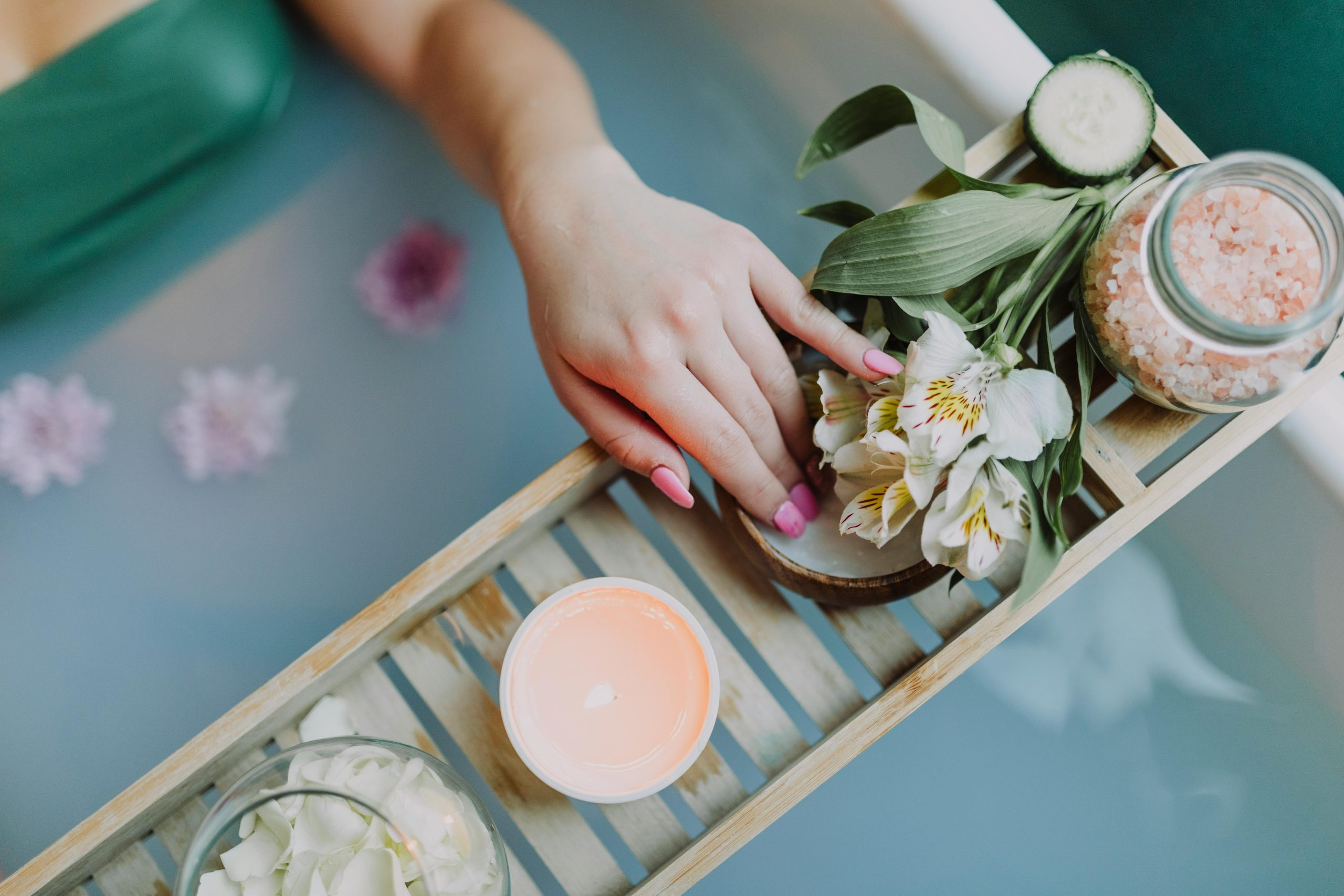
    Who says you need to splurge on a spa day to pamper yourself? You can create your own spa experience at home with simple and affordable ingredients. Make yourself a relaxing bubble bath using Epsom salts and essential oils, light some scented candles, put on a face mask, and give yourself a manicure or pedicure. This will not only help you unwind and destress but also leave you feeling refreshed and rejuvenated. You can also invite some friends over for a self-care spa day, and everyone can bond while indulging in some much-needed self care.

    Explore Your Creative Side

    Engaging in creative activities is a great way to relax, reduce stress and boost our happiness. And the best part is, you don’t need to be an artist or invest in expensive supplies to get creative. There are plenty of budget-friendly options, like sketching, painting, coloring, or even learning a new craft from YouTube tutorials. Exploring our creativity not only allows us to express ourselves, but it also gives us a break from our daily routines and helps us relax and recharge.

    Move Your Body

    Physical activities are not only beneficial for our physical health but also for our mental and emotional well-being. You don’t need an expensive gym membership or fancy equipment to get moving. You can simply go for a run, do a workout video on YouTube, or even dance to your favorite music in your living room. Exercise releases endorphins, the feel-good hormones, which can help boost our mood and reduce stress and anxiety.

    Quality Time with Yourself

    In the hustle and bustle of our daily lives, we often forget to spend quality time with ourselves. Taking time off to do things we truly enjoy can be incredibly therapeutic and nourishing for our souls. It can be something as simple as reading a book, watching a movie, or trying out a new recipe. Make it a weekly ritual to have a date with yourself and do things that bring you joy and fulfillment.

    Final Thoughts

    Practicing self care on a budget is all about finding simple and affordable ways to nurture ourselves and prioritize our well-being. It doesn’t have to be extravagant or expensive; it’s the little things we do for ourselves that make a big difference. So make self care a part of your daily routine, and remember, it’s not selfish, it’s essential.

    In conclusion, incorporating self care into our lives doesn’t have to burn a hole in our pockets. There are plenty of creative ways to practice self care on a budget, and it’s all about finding what works best for us and making it a regular part of our routine. So let’s make self care a priority and give ourselves the love and care we deserve without breaking the bank.

  • Mastering The Art Of Slow Living In A Fast

    Mastering The Art Of Slow Living In A Fast

    Life these days can feel like a race against time. We are constantly bombarded with deadlines, notifications, and the pressure to always be productive. It’s no wonder that many of us feel overwhelmed and burnt out. But what if I told you that there is a way to slow down and still excel in today’s fast-paced world? That’s where the concept of slow living comes in. Slow living is a lifestyle that promotes living in the present moment, simplifying our lives, and savoring the little things. In this article, we will explore the art of slow living and how you can master it in a world that never seems to stop moving.

    What is Slow Living?

    Slow living is a philosophy that is rooted in the idea of slowing down and enjoying life at a more relaxed pace. It is about shifting our focus from being busy and constantly striving for more, to being mindful and content with what we have. Slow living promotes the idea of “less is more” and encourages us to live in the moment rather than constantly chasing after the next big thing.

    The Benefits of Slow Living

    The benefits of slow living go beyond just feeling less stressed and overwhelmed. By embracing a slow living lifestyle, we can experience a multitude of positive changes in our lives. Some of these benefits include:

    Less Stress and More Mindfulness

    When we slow down and focus on the present moment, we become more aware of our thoughts and surroundings. This allows us to let go of unnecessary stress and worries, and be more mindful of the little things that bring us joy.

    Increased Productivity

    Ironically, slowing down can actually help us be more productive in the long run. By taking the time to recharge and prioritize our tasks, we can approach our work with more focus and efficiency.

    Better Mental and Physical Health

    In our fast-paced world, it’s easy to neglect our physical and mental well-being. Slow living allows us to take care of ourselves and prioritize our health. This can lead to reduced levels of anxiety, improved sleep, and overall better quality of life.

    How to Master the Art of Slow Living

    Simplify Your Life

    The first step to mastering the art of slow living is to simplify your life. This means decluttering your physical space, but also decluttering your mind. Get rid of the things that no longer serve you and learn to say no to commitments that do not align with your values.

    Disconnect and Unplug

    In today’s digital age, it’s easy to be constantly connected to the outside world. But this can also lead to feelings of overwhelm and information overload. Take breaks from your devices and disconnect from the constant stream of notifications, emails, and social media. Instead, use this time to be present and engage in activities that bring you joy.

    Prioritize Self-Care

    In a world that glorifies hustle culture, self-care often takes a backseat. But self-care is essential for our overall well-being. Make time for activities that recharge and rejuvenate you, whether it’s reading a book, taking a bath, or going for a walk in nature.

    Practice Gratitude

    Gratitude is a powerful tool when it comes to slowing down and enjoying life. Take a few minutes each day to reflect on the things you are grateful for. This can help shift your focus from what you don’t have to what you do have, and foster a more positive outlook on life.

    In Conclusion

    Mastering the art of slow living in a fast world is not about completely disconnecting and opting out of society. It’s about finding a balance that allows us to slow down and savor the little moments while still excelling in our day-to-day lives. By simplifying our lives, taking breaks from the chaos, prioritizing self-care, and practicing gratitude, we can embrace a slow living lifestyle and find more joy and fulfillment in our lives.

    Remember, slow living looks different for everyone. Find what works for you and make it a part of your daily routine. Enjoy the journey, and trust that by slowing down, you will be able to live a more intentional and fulfilling life.

  • Why Mindful Meditation Is The Key To Reducing Stress

    Why Mindful Meditation Is The Key To Reducing Stress

    In today’s fast-paced and hectic world, stress has become a common foe that we all have to face. The constant pressure to meet deadlines, fulfill responsibilities, and juggle multiple roles can take a toll on our mental and physical well-being. And amidst all this chaos, finding time for self-care and relaxation often becomes a luxury that we can’t afford. However, one practice that has been proven to be highly effective in reducing stress and promoting overall well-being is mindful meditation. In this article, we will explore why mindful meditation is the key to reducing stress and how it can benefit us in various aspects of our lives.

    The Concept of Mindful Meditation

    Mindful meditation, often referred to as mindfulness meditation, is a practice that involves being present in the moment and paying attention to one’s thoughts, feelings, and physical sensations without judgment. It focuses on being fully aware of one’s surroundings, emotions, and thoughts without getting overwhelmed by them. This ancient practice has its roots in Buddhist teachings and has been widely adopted in modern times as a way to manage stress and improve mental well-being.

    The Link Between Mindful Meditation and Stress Reduction

    Stress, in simple terms, is the body’s response to real or perceived threats. When we are under stress, the body releases a hormone called cortisol, which increases our blood pressure and heart rate, preparing us for a possible danger. While this response is essential for our survival, prolonged exposure to stress can have detrimental effects on our physical and mental health, leading to anxiety, depression, and other stress-related disorders.

    This is where mindful meditation comes in. Through its focus on being in the present moment and non-judgmental awareness, it helps us break the cycle of stress and worry that often consumes our minds. By practicing mindful meditation, we learn to acknowledge our thoughts and feelings without allowing them to control us. This helps reduce the production of cortisol and activates the body’s relaxation response, leading to a calmer and more peaceful state of mind.

    The Benefits of Mindful Meditation Beyond Stress Reduction

    While stress reduction is the most talked-about benefit of mindful meditation, its benefits go far beyond that. Studies have shown that regular practice of mindful meditation can improve our overall well-being in various areas, such as:

    Improved Focus and Concentration

    In today’s world, where distractions are everywhere, staying focused has become a challenging task. Mindful meditation helps us develop better control over our thoughts and attention. By being aware of our thoughts and bringing our focus back to the present moment, we can improve our ability to concentrate and ultimately increase our productivity.

    Better Emotional Regulation

    Emotions are a natural part of being human, and sometimes they can become overwhelming. Mindful meditation teaches us to acknowledge and accept our emotions without reacting to them. This helps us gain better emotional regulation and equips us with the skills to deal with difficult situations and emotions in a more healthy and productive way.

    Reduced Anxiety and Depression

    Numerous studies have shown that mindful meditation can be an effective tool in managing anxiety and depression. By focusing on the present and letting go of negative thoughts and emotions, we can reduce our overall levels of stress and improve our mood.

    In Conclusion

    Mindful meditation is a powerful practice that has been used for centuries to promote physical, mental, and emotional well-being. Its benefits in reducing stress and promoting a sense of calm and inner peace are widely recognized and supported by scientific research. By incorporating mindful meditation into our daily routine, we can learn to manage stress better, improve our overall well-being, and live a more fulfilling and peaceful life. So, take a deep breath, let go of your worries, and embrace the present moment – for that is where true happiness lies.

  • How To Create A Calm Sanctuary Within Your Home

    How To Create A Calm Sanctuary Within Your Home

    Welcome to the chaotic world we live in today, where constant noise and distractions seem to be the norm. In a fast-paced society, finding peace and tranquility can often feel like an impossible task. However, creating a calm sanctuary within your home is the perfect solution. A designated space where you can unwind, relax, and recharge after a long day. In this article, we will explore practical and effective ways to transform any room into a peaceful haven. So, let’s dive in and discover how to create a calm sanctuary within your home.

    Declutter and Simplify

    The first step to creating a calm sanctuary is to declutter and simplify your space. A cluttered and disorganized room can create a sense of chaos and anxiety. Start by going through your belongings and getting rid of anything that no longer serves a purpose or brings you joy. This will not only clear your physical space but also your mind. Next, focus on simplifying your decor. Opt for a more minimalistic approach, with fewer items that have a purpose and add value to the room.

    Tip: Utilize storage solutions

    If you struggle with clutter, invest in storage solutions that will help keep your space organized. Use decorative baskets, shelves, and drawers to store items and maintain a clean and clutter-free space.

    Nature’s Calming Presence

    Incorporating nature into your home is an excellent way to create a calm and serene atmosphere. Adding plants to your sanctuary not only brings a touch of greenery but also provides numerous health benefits. Studies have shown that plants can help reduce stress, improve air quality, and boost creativity. Choose low maintenance plants such as succulents, peace lilies, or aloe vera, that require minimal care and add a natural element to your space.

    Tip: Consider an indoor water feature

    The sound of running water has a soothing and calming effect on the mind. Consider adding an indoor water feature, such as a small fountain or tabletop waterfall, to your sanctuary to bring a sense of tranquility.

    Soft and Soothing Colors

    The colors you choose for your sanctuary can greatly impact the overall mood and ambiance. Neutral and soft shades, such as pastels, whites, and greys, are known for their calming effect. Avoid bold and bright colors, as they can be too stimulating for a peaceful space. You can also incorporate calming elements through textures, such as soft rugs, pillows, and throws, to add a touch of coziness to the room.

    Tip: Include natural light

    Natural light has a positive impact on our mental health and well-being. Utilize windows and natural light sources to brighten up your sanctuary and create a warm and inviting atmosphere.

    Create a Relaxing Ambiance

    Creating a relaxing ambiance is crucial for a calm sanctuary. Consider incorporating scents, such as lavender, chamomile, or vanilla, through candles or essential oil diffusers. Soft lighting, through lamps or dimmer switches, can also add to the soothing atmosphere. Play soft and calming music or nature sounds to further enhance the peacefulness of the room.

    Tip: Add personal touches

    Make your sanctuary unique by adding personal touches that bring you joy. This could be anything from your favorite photos, artwork, or sentimental items. Surrounding yourself with things that have a special meaning can instantly bring a sense of comfort and peace.

    Unplug and Disconnect

    Lastly, creating a calm sanctuary also means disconnecting from the constant noise of technology. Make your sanctuary a no-phone zone and dedicate some time each day to unplug and disconnect. Engage in activities that promote relaxation and self-care, such as reading, journaling, or practicing meditation or yoga.

    Tip: Set boundaries

    Set boundaries with others in your household to respect your sanctuary as a space for solitude and relaxation. This will help maintain the peacefulness of the room and make it a dedicated space for you to recharge.

    In conclusion, with a few simple tips and adjustments, you can easily create a calm sanctuary within your home. Remember, it’s all about decluttering and simplifying, incorporating nature, choosing calming colors, creating a relaxing ambiance, and setting boundaries. Your sanctuary should reflect your personal style and bring a sense of peace and serenity to your daily life. So, go ahead and transform any room into your own personal retreat, and enjoy the tranquility it brings.

  • Essential Daily Habits For A More Productive Morning Routine

    Essential Daily Habits For A More Productive Morning Routine

    Are you tired of waking up late and feeling rushed every morning? Do you often struggle to get things done efficiently before starting your day? Having a productive morning routine can set the tone for the rest of your day and help you accomplish more in less time. By making some simple changes and implementing essential daily habits, you can turn your mornings into a productive and fulfilling time. Here are some tips to help you start your day on the right foot and boost your productivity.

    The Power of a Good Night’s Sleep

    It’s no secret that getting a good night’s sleep is essential for our overall health and well-being. But did you know that it also plays a significant role in our productivity? It’s crucial to establish a consistent sleep schedule and aim for 7-9 hours of sleep every night. This ensures that our body and mind are well-rested and prepared for the challenges of the day ahead.

    Experts also recommend avoiding screens and stimulating activities at least an hour before bedtime. Instead, opt for calming activities such as reading or taking a warm bath to relax your mind and body for a night of quality sleep.

    Start Your Day with Hydration

    After several hours of not drinking any water, our bodies are naturally dehydrated when we wake up. Drinking a glass of water first thing in the morning can rehydrate our body and kickstart our metabolism, making us feel more awake and alert.

    Make it a habit to keep a water bottle by your bedside, so it’s the first thing you see when you wake up. You can also add some lemon to your water for an extra boost of vitamin C and antioxidants.

    Get Moving

    We all know the importance of exercise for our physical health. But did you know that it also has a significant impact on our mental well-being and productivity? According to studies, regular exercise can boost our energy levels, improve focus and concentration, and reduce stress and anxiety.

    While it may seem challenging to fit in a full workout before starting your day, even a quick 10-15 minute session can make a significant difference. You can try doing some stretches, yoga, or even a short walk around your neighborhood to get your blood flowing and get your brain ready for a productive day.

    Don’t Skip Breakfast

    We’ve all heard the saying, “Breakfast is the most important meal of the day,” and for a good reason. After a long night of not eating, our body needs fuel to function properly. Skipping breakfast can lead to low energy levels, difficulty focusing, and unhealthy food cravings later in the day.

    Make sure to have a balanced breakfast that includes whole grains, protein, and healthy fats. This will give you the energy and nutrients you need to start your day strong and keep your productivity levels up.

    Plan Your Day

    One of the most effective ways to stay productive is to have a clear plan of what needs to be done. Take a few minutes each morning to write down your goals and to-do list for the day. Having a visual reminder of your tasks can help you prioritize and stay focused throughout the day.

    It’s also helpful to break down your goals into smaller, more manageable tasks. This will prevent you from feeling overwhelmed and make it easier to track your progress.

    Minimize Distractions

    In today’s fast-paced world, it’s easy to get distracted by notifications, emails, and social media. These distractions can significantly impact our productivity and make it difficult to get important tasks done in a timely manner.

    To avoid these distractions, try to limit your screen time and schedule specific times to check and respond to emails and messages. You can also use apps to block out social media or other distracting websites during your work time.

    Give Yourself a Break

    While it’s essential to stay productive, it’s equally important to give yourself a break and not overwork yourself. Taking short breaks throughout the day can help you recharge and refocus your mind, making you more productive in the long run.

    You can also try practicing some relaxation techniques, such as deep breathing or meditation, to calm your mind and reduce stress and tension.

    Conclusion

    By incorporating these essential daily habits into your morning routine, you can set the stage for a more productive day. Remember to get enough sleep, drink water, get moving, have a balanced breakfast, plan your day, minimize distractions, and take breaks when needed. With consistency and dedication, you’ll be well on your way to a more productive and fulfilling morning routine.

  • How To Master The Art Of Professional Self Promotion

    How To Master The Art Of Professional Self Promotion

    If you want to succeed in your career, self-promotion is a necessary skill to master. However, the thought of promoting yourself can often feel uncomfortable or even daunting. Whether you are just starting out in your profession or looking to advance to the next level, learning how to effectively promote yourself in a professional manner is crucial. In this article, we will discuss the art of professional self-promotion and how you can master it to advance your career. So, let’s dive in and discover the key techniques for effective self-promotion.

    The Importance of Self-Promotion

    In today’s competitive job market, it is not enough to just have the necessary skills and qualifications. You also need to be able to showcase them in a way that sets you apart from others. This is where self-promotion comes in. It is the process of actively marketing and presenting yourself as an asset to potential employers or clients. By gaining visibility and recognition for your abilities and achievements, you can increase your chances of landing your dream job, attracting more clients, and advancing in your career.

    Identify Your Unique Selling Points

    The key to effective self-promotion is knowing your unique selling points (USPs). These are the attributes that make you stand out from others and highlight your value. Take some time to reflect on your strengths, skills, and achievements. Ask yourself, what makes you special? What sets you apart from others in your field? Once you have identified your USPs, use them as the foundation for your self-promotion efforts.

    Create a Strong Personal Brand

    Your personal brand is what you are known for and how you are perceived by others. It is important to have a strong personal brand, as it helps differentiate you from others and makes you memorable. Create a personal brand that reflects your unique selling points and aligns with your career goals. This can include your personal style, values, and expertise. Use your personal brand to market yourself across all platforms, from your resume and LinkedIn profile to your interactions with others in person and online.

    Network, Network, Network

    Networking is an essential aspect of self-promotion. It allows you to connect with people who can help you advance your career. Attend industry events, conferences, and seminars to meet professionals in your field. Make sure to have your elevator pitch ready, highlighting your unique selling points. Follow up with the people you meet and stay in touch with them. Additionally, be an active member of online professional networking communities, such as LinkedIn. Engage with others, share your expertise, and showcase your achievements.

    Showcase Your Accomplishments

    One of the most effective ways to promote yourself is by showcasing your accomplishments. Keep an updated portfolio of your work and achievements, including projects you have worked on, awards you have won, and testimonials from satisfied employers or clients. This will not only help you stand out from others but also provide tangible evidence of your abilities and value.

    Be Proactive

    Don’t wait for opportunities to come to you. Be proactive in seeking and creating them. Look for ways to contribute your expertise and skills to projects, volunteer for leadership roles, and offer to help others. This will not only increase your visibility but also show your dedication to your profession and willingness to take on new challenges.

    Be Authentic and Genuine

    One of the most important things to remember when promoting yourself is to be genuine and authentic. Avoid being overly boastful or exaggerating your abilities. Instead, focus on showcasing your true qualities and value. People are more likely to connect with and trust someone who is authentic and genuine.

    Don’t Be Afraid to Ask for Help

    Lastly, don’t be afraid to ask for help. Seek out mentorship or coaching from professionals in your field. They can provide valuable guidance and advice on effective self-promotion techniques. Additionally, reach out to your network and ask for referrals or recommendations. This will not only boost your self-promotion efforts but also strengthen your professional relationships.

    Conclusion

    Effective self-promotion is not about bragging or boasting. It is about understanding your value and being confident enough to showcase it in a professional manner. By identifying your unique selling points, creating a strong personal brand, networking, showcasing your accomplishments, being proactive, and remaining authentic, you can master the art of professional self-promotion and advance in your career. So, start putting these techniques into practice and watch your professional success unfold.

  • Why Passion Alone Is Not Enough For Career Success

    Why Passion Alone Is Not Enough For Career Success

    If you ask most successful people what their secret to achieving their career goals is, many of them will say that it was their passion that drove them to success. Passion is often seen as the key ingredient to achieving career success, whether it’s in a creative industry or a more traditional job. And while passion is undeniably important, there is one crucial factor that many people overlook – and that is the practicality of their passion.

    The Problem with Relying Solely on Passion

    In today’s society, there is a common belief that if you are passionate about something, then success will naturally follow. This idea has been perpetuated by numerous motivational speakers, self-help books, and social media influencers. And while it’s true that passion can be a powerful driving force, it is not enough on its own.

    Passion Does Not Guarantee Proficiency

    Passion can certainly fuel motivation and determination, but it alone does not make a person skilled in their chosen field. Just because someone is passionate about writing, for example, doesn’t mean that they will automatically be a talented writer. Skill and proficiency require practice, experience, and continual growth.

    Many people make the mistake of assuming that passion will compensate for lack of knowledge or skill. This can lead to disappointment and frustration when their passion does not translate into success. They may become discouraged and give up on their dreams, thinking that they simply weren’t meant to achieve their goals.

    Passion Can Be Fickle

    An important thing to remember about passion is that it can fluctuate over time. What may have been your biggest passion today may not be tomorrow. This is completely normal – our interests and passions can change and evolve as we grow and experience new things.

    However, relying solely on passion can be risky because if your passion changes or fades, you may find yourself feeling lost and directionless. This can be especially problematic for those who have built their entire career plan around their passion without considering other practical aspects.

    The Importance of Practicality

    In order to truly achieve career success, passion needs to be supplemented with practicality. This means taking into account factors such as education, experience, job market demand, and potential for growth and stability. These practical considerations can help guide your career decisions and ensure that your passion aligns with your abilities and the current job market.

    Educational Requirements

    Oftentimes, a certain level of education is required to enter a specific career field. For example, if you are passionate about becoming a doctor, you will need to complete medical school and pass rigorous licensing exams. Without the necessary education and qualifications, your passion alone will not get you very far.

    Industry Demand and Competition

    Another important factor to consider is the demand for your chosen career. While your passion may be in a particular field, it’s important to also assess the job market and competition within that industry. Is there a high demand for workers in this field? Or is it oversaturated with job seekers? Understanding the current landscape can help you better prepare for your career path and make informed decisions.

    Realistic Expectations

    When it comes to building a successful career, it’s important to have realistic expectations. This means understanding that success may not come overnight, and it may require hard work, dedication, and patience. It’s also important to have a backup plan in case things don’t go exactly as planned. This doesn’t mean giving up on your passion, but rather being prepared for the challenges and setbacks that may arise.

    The Power of Combining Passion and Practicality

    Passion and practicality are not mutually exclusive – in fact, they can work together to help you achieve your career goals. When you combine your passion with realistic and practical considerations, you are setting yourself up for success. This means pursuing a career that not only brings you joy and fulfillment, but also allows you to grow, develop, and thrive in the long run.

    Ultimately, it takes both passion and practicality to achieve true career success. Finding balance between the two can help you build a fulfilling and sustainable career that not only matches your passions but also your abilities and the current job market demand. So don’t just rely on passion alone – consider the practical aspects of your career path and use them to your advantage. With the right mindset and approach, you can turn your passion into a successful and fulfilling career.

  • The Importance Of Critical Thinking In Data Analysis Careers

    The Importance Of Critical Thinking In Data Analysis Careers

    In today’s digital age, data analysis has become an integral part of every industry. From making strategic business decisions to predicting consumer behavior, the ability to analyze and interpret data has become crucial for organizations. However, amidst the vast amount of data available, it’s easy to get lost in numbers and lose sight of the bigger picture. This is where critical thinking comes in. In this article, we will explore the importance of critical thinking in data analysis careers and how it can elevate one’s skills and capabilities in this field.

    The Role of Critical Thinking in Data Analysis

    Before delving into the significance of critical thinking in data analysis careers, it’s essential to first understand what critical thinking actually is. In simple terms, it’s the ability to objectively analyze, evaluate, and synthesize information to form a well-informed and reasoned conclusion or decision. In data analysis, critical thinking goes beyond just crunching numbers; it involves asking the right questions, identifying patterns and trends, and making logical connections between data sets.

    With the increasing use of data in virtually every aspect of business and life, data analysts must possess strong critical thinking skills. They need to be able to look beyond the numbers and utilize a range of techniques and tools to help organizations make sense of the data and make strategic decisions.

    The Benefits of Critical Thinking in Data Analysis Careers

    Improved Problem-Solving

    Data analysis is often associated with problem-solving, and critical thinking plays a key role in this process. By looking at data objectively and breaking it down into smaller parts, critical thinkers can identify the root cause of a problem and develop effective solutions. This not only helps organizations save time and resources but also enables them to make more informed decisions that lead to better outcomes.

    Uncovering Hidden Insights

    Data analysis is not just about presenting numbers and statistics; it’s about uncovering meaningful insights that can drive business growth. With critical thinking, data analysts can identify patterns and trends that may not be apparent at face value. This allows them to draw connections between seemingly unrelated data sets and uncover valuable insights that can influence business strategies and decisions.

    Empowering Data-Driven Decisions

    One of the most significant advantages of critical thinking in data analysis is its ability to support data-driven decision making. By looking at data objectively, data analysts can remove bias and subjectivity, which can often lead to poor decisions. This not only helps organizations make more accurate and informed decisions but also drives innovation and growth.

    Developing Critical Thinking Skills for Data Analysis

    While some people may have a natural inclination towards critical thinking, it’s a skill that can be honed and developed with practice. Here are a few tips to help improve critical thinking skills in a data analysis career:

    Ask the Right Questions

    Data analysis is all about asking the right questions to uncover valuable insights. Critical thinkers know how to ask questions that lead to deeper levels of understanding and ultimately drive better decision-making.

    Use a Range of Techniques and Tools

    Data analysis is not limited to just Excel and pivot tables. To be a critical thinker in this field, one must be familiar with a variety of analytical tools and techniques. This includes statistical software, data visualization tools, and programming languages such as R or Python.

    Be Open-Minded and Willing to Challenge Assumptions

    Being a critical thinker means being open-minded and willing to challenge assumptions. In data analysis, this involves questioning the accuracy and relevance of data, as well as the assumptions behind analytical models and techniques.

    In Conclusion

    In the fast-paced world of data, critical thinking is a valuable skill that can set data analysts apart from their peers. It not only enables them to make sense of the vast amount of data available but also supports data-driven decision making and empowers organizations to stay ahead of the competition. By developing and applying critical thinking skills, data analysts can excel in their careers and contribute to the success of their organizations in today’s data-driven world.

  • How To Navigate The World Of Corporate Headhunters Successfully

    How To Navigate The World Of Corporate Headhunters Successfully

    In today’s competitive job market, finding the perfect job can be a daunting task. This is where corporate headhunters come in. These are professionals who are hired by companies to find suitable candidates for their executive positions. However, navigating the world of corporate headhunters can be challenging and overwhelming for job seekers. It requires a specific set of skills and knowledge to work with headhunters successfully. In this article, we will discuss the strategies and tips to help you navigate the world of corporate headhunters and land your dream job.

    Understanding The Role Of Corporate Headhunters

    Before diving into how to navigate the world of corporate headhunters, let’s first understand what their role is in the recruitment process. Corporate headhunters, also known as executive recruiters, are hired by companies to seek out, evaluate, and recommend candidates for high-level positions. They specialize in finding top-notch talent for specific industries or job levels. Their goal is to match the right candidate with the right company, ensuring a successful and long-term placement for both parties.

    Research And Refine Your Job Search Criteria

    The first step in successfully navigating the world of corporate headhunters is to research and refine your job search criteria. It’s essential to have a clear understanding of what type of job you are looking for, the desired industry, job level, and location. This will help you narrow down your job search and target headhunters who specialize in your preferred industry and job level.

    Prepare A Target List Of Headhunters

    Based on your job search criteria, it’s time to prepare a target list of headhunters. You can use online resources such as LinkedIn, industry associations, and job search engines to find headhunters who specialize in your desired industry. It’s also a good idea to seek recommendations from your network, including friends, family, and colleagues who may have worked with headhunters in the past.

    Build And Maintain A Professional Online Presence

    In today’s digital age, having a professional online presence is crucial in catching the attention of headhunters. Your LinkedIn profile is, by far, the most important online platform for job seekers. Make sure your profile is complete, up-to-date, and showcases your achievements and skills. Additionally, make sure to build a strong network on LinkedIn and engage with industry-related content to increase your visibility.

    Networking Is Key

    Networking is an important aspect of the job search process, especially when it comes to working with headhunters. Attend industry events, conferences, and job fairs to expand your network and interact with headhunters. Make sure to have a clear and concise pitch ready to introduce yourself to headhunters. This will help you stand out and make a good first impression.

    Be Responsive And Professional When Contacted

    If a headhunter contacts you about a potential job opportunity, make sure to respond promptly and professionally. Keep in mind that headhunters work on a tight schedule and may have several candidates in mind for a position. Be prepared to share your resume and any other required documents and be open to scheduling a phone or face-to-face interview.

    Let The Headhunter Represent You

    Once you have established a relationship with a headhunter, let them do their job. Provide them with all the necessary information and let them represent you to their clients. The headhunter’s recommendation carries a lot of weight, so make sure to build a strong and trusting relationship with them.

    Be Patient And Persistent

    Working with corporate headhunters is not a quick fix to finding a job. It takes time and patience to land the right job through a headhunter. Don’t get discouraged if you don’t get the job on the first try. Instead, be persistent and keep in touch with your headhunter. As new opportunities arise, they will remember and reach out to you.

    In Conclusion

    The world of corporate headhunters may seem daunting, but with the right approach and strategies, it can be a valuable resource in your job search. Remember to research and refine your job search criteria, build a strong online presence, network, and be patient and persistent. Follow these tips, and you will be on your way to navigating the world of corporate headhunters successfully and landing your dream job.

  • Strategies For Finding Career Fulfillment In Unexpected Places

    Strategies For Finding Career Fulfillment In Unexpected Places

    When it comes to finding career fulfillment, most people have a set idea of where that fulfillment is supposed to come from. It’s often thought that a fulfilling career can only be found in a certain job title, in a specific industry, or in a particular city. However, the reality is that career fulfillment can be found in unexpected places, and by using the right strategies, one can achieve it regardless of current circumstances. In this article, we will discuss some strategies for finding career fulfillment in unexpected places.

    Think Outside Your Comfort Zone

    One of the main reasons why many people struggle to find career fulfillment is because they tend to limit themselves to what they already know. They stick to their comfort zone and are afraid to step out of it. However, it’s important to realize that sometimes the best opportunities can be found outside of our comfort zone. This could mean taking on a new project, learning a new skill, or even working in a different industry. By pushing past our boundaries, we open ourselves up to new opportunities and experiences that could lead to career fulfillment.

    Step Back and Assess Your Passions

    Finding career fulfillment often starts with understanding our passions and what truly makes us happy. Many people end up in jobs that they are not passionate about simply because it was the most practical or profitable option at the time. However, by taking a step back and assessing our true passions, we can begin to narrow down our career choices and focus on areas that truly bring us joy and fulfillment.

    We can do this by asking ourselves questions such as, “What excites me?”, “What do I enjoy doing in my free time?”, and “What impact do I want to make in the world?”. These questions can help us identify our passions and guide us towards finding career fulfillment in unexpected places.

    Embrace Change and Be Open to New Opportunities

    Sometimes, career fulfillment can be found in places that we never even thought of. This is why it’s important to embrace change and be open to new opportunities that come our way. This could be through networking, attending events and conferences, or even just being open to a new job offer in an unexpected field. By being receptive to change and taking advantage of new opportunities, we may stumble upon a fulfilling career path that we never would have considered before.

    Seek Out Growth and Development

    Another important strategy for finding career fulfillment in unexpected places is by seeking out growth and development opportunities. This could mean taking courses, attending workshops, or even volunteering for new projects at work. By continuously learning and challenging ourselves, we can not only improve our skills and knowledge, but also discover new interests and areas of passion that could lead to a fulfilling career.

    Don’t Be Afraid to Take Risks

    Lastly, finding career fulfillment often involves taking risks. This could mean leaving a secure job to pursue a passion project or starting a business. While it may seem daunting, taking risks can lead to incredible opportunities and ultimately, career fulfillment. As the saying goes, “with great risk comes great reward”, and sometimes the biggest rewards can be found in unexpected places.

    Conclusion

    In conclusion, finding career fulfillment in unexpected places requires a willingness to think outside the box, assess our passions, and be open to change and new opportunities. By stepping out of our comfort zone, seeking growth and development, and taking risks, we can potentially find a fulfilling career in unexpected places. It’s important to remember that the key to finding career fulfillment is not limiting ourselves and being open to the unexpected.

  • The Impact Of Automation On Traditional Manufacturing Career Paths

    The Impact Of Automation On Traditional Manufacturing Career Paths

    The world of manufacturing has undergone a significant transformation over the past few decades – with the rise of automation. Traditional manufacturing practices, which once relied heavily on manual labor, have given way to more efficient and cost-effective automated processes. However, with this change comes a significant impact on traditional manufacturing career paths. As machines and robots take over certain tasks, the necessary skills and qualifications for employees are also evolving. In this article, we will explore the impact of automation on traditional manufacturing career paths and how individuals can adapt to these changes.

    The Rise of Automation in Manufacturing

    Before delving into the impact of automation on traditional manufacturing career paths, it is essential to understand the concept of automation and its growth in the industry. Automation involves using machinery and technology to perform repetitive or monotonous tasks that were once done manually by workers. This shift towards automation has been driven by the need to increase production efficiency, reduce costs, and improve product quality.

    According to a recent report by the World Economic Forum, automation is expected to displace around 75 million jobs globally by 2022. While this may seem alarming, it is worth noting that automation also creates new job opportunities, particularly in the manufacturing sector. Positions such as robotics engineers, process automation specialists, and data scientists are in high demand, highlighting the need for individuals to upskill and adapt to the changing landscape.

    The Impact on Traditional Manufacturing Career Paths

    Shift in Job Responsibilities

    One of the most significant impacts of automation on traditional manufacturing career paths is the shift in job responsibilities. As machines and robots take over certain tasks, workers will need to adapt to new roles that involve managing and overseeing automated processes. This might include programming and maintenance of the machines, as well as data analysis and process optimization. The traditional hands-on, manual tasks will be replaced by more technical and analytical responsibilities, requiring a different skill set.

    Increased Demand for Technical Skills

    With automation becoming a standard practice in manufacturing, there is also a growing demand for individuals with technical skills. Employers are now seeking individuals who have a solid understanding of robotics, automation, and data analysis to manage and optimize the automated processes. As traditional manufacturing career paths evolve, workers will need to upskill and acquire new technical skills to remain relevant in the industry. This may involve enrolling in specialized courses or attending training programs to stay updated with the latest advancements in automation technology.

    Higher Paying Jobs

    While automation may result in the displacement of certain manufacturing jobs, it also opens up new opportunities for individuals. The technical nature of these roles often commands a higher salary, making them a more attractive career path for those with the necessary skills. This is especially true for positions that require a combination of technical expertise and experience in the manufacturing industry. As automation continues to grow, the demand for skilled workers will increase, creating more opportunities for individuals to advance their careers in this field.

    Reduced Physical Demands

    One of the most significant benefits of automation for workers is the reduced physical demands of the job. Traditional manufacturing careers often involve physically strenuous tasks, which can be challenging for some individuals, particularly as they get older. With automation, many of these tasks will be taken over by machines, resulting in a safer and healthier work environment. This can also lead to increased job satisfaction, as workers can focus on more intellectually stimulating tasks rather than repetitive physical labor.

    Adapting to the Changing Landscape

    As automation continues to impact traditional manufacturing career paths, individuals need to adapt and acquire new skills to remain relevant in the industry. This may involve pursuing higher education or attending training programs to learn about the latest automation technologies. Additionally, individuals can also seek opportunities to work alongside the machines and learn how to manage and maintain them effectively.

    Another way to adapt to the changing landscape is to stay updated with the latest industry trends and advancements. This can be achieved by networking with professionals in the field and attending conferences or workshops related to automation in manufacturing. Additionally, individuals can also consider internships or apprenticeships to gain hands-on experience and learn from experts in the field.

    Conclusion

    The increasing use of automation in traditional manufacturing has both positive and negative impacts on career paths in the industry. While it may lead to the displacement of certain jobs, it also creates new opportunities for individuals with the necessary technical skills. As automation becomes a standard practice, it is essential for individuals to remain adaptable and continually upskill to stay relevant in the industry. By staying updated with the latest advancements and acquiring new skills, individuals can thrive in this ever-changing landscape.

  • How To Create A Diverse Portfolio Of Professional Projects

    How To Create A Diverse Portfolio Of Professional Projects

    In today’s competitive job market, having a diverse portfolio of professional projects is crucial for standing out from the crowd. A strong portfolio not only showcases your skills and experience, but also demonstrates your versatility and creativity to potential employers. Whether you’re a freelancer, a recent graduate, or an established professional looking to switch careers, building a diverse portfolio is essential for success. In this article, we’ll take a closer look at what it means to have a diverse portfolio and how you can create one that sets you apart.

    What is a Diverse Portfolio?

    Before we dive into how to create a diverse portfolio, let’s first define what it means. A diverse portfolio is a collection of projects that encompass a variety of industries, skills, and styles. It goes beyond simply displaying the same type of work over and over again, but rather showcases your range and adaptability as a professional. This can include anything from writing samples to design projects, from web development to social media campaigns.

    Having a diverse portfolio not only allows you to demonstrate your ability to take on different types of projects, but it also shows your versatility and adaptability to different industries and target audiences.

    Why is a Diverse Portfolio Important?

    Now that we know what a diverse portfolio is, let’s discuss why it’s important. With the rise of remote work and the gig economy, employers are looking for professionals who can handle a variety of tasks and projects. Having a diverse portfolio can be a major selling point for employers, as it shows that you are a well-rounded and dynamic individual.

    Moreover, a diverse portfolio allows you to stand out from the competition. In a sea of similar resumes and cover letters, a diverse portfolio can be the key to catching an employer’s attention and landing your dream job.

    How to Create a Diverse Portfolio

    Now that we understand the importance of a diverse portfolio, let’s look at how to create one that will impress potential employers.

    1. Know Your Goals

    The first step in creating a diverse portfolio is to define your goals. What type of jobs are you looking for? What industries are you interested in? What skills do you want to highlight? Understanding your goals will help you tailor your portfolio to showcase your strengths and interests.

    2. Showcase a Variety of Skills

    An important aspect of a diverse portfolio is showcasing your range of skills. This can include technical skills such as coding and design, as well as soft skills like project management and team collaboration. It’s important to strike a balance between highlighting your strengths while also showing your ability to adapt and learn new skills.

    3. Incorporate Different Industries

    Having experience in different industries can be invaluable when it comes to creating a diverse portfolio. If you have worked with clients from different industries, make sure to include projects from each one. This will not only showcase your adaptability, but it also demonstrates your understanding of different market trends and consumer behavior.

    4. Mix Up Formats

    Another way to diversify your portfolio is by incorporating different formats. This can include written samples, design projects, videos, and more. Depending on your field, consider incorporating different mediums to showcase your work and creativity.

    5. Keep it Relevant

    While diversity is important, it’s also crucial to keep your portfolio relevant to your target audience. For example, if you’re a graphic designer looking for work in the fashion industry, it wouldn’t make sense to include web development projects in your portfolio. Keep in mind the type of jobs you’re applying for and tailor your portfolio accordingly.

    6. Update Regularly

    Finally, it’s important to keep your portfolio up to date. As you gain new skills and work on different projects, make sure to add them to your portfolio. This not only ensures that your portfolio remains relevant, but it also shows your dedication to continuous learning and improvement as a professional.

    In Conclusion

    A diverse portfolio is a powerful tool for any professional looking to stand out in the job market. By showcasing a variety of skills, industries, and formats, your portfolio becomes a reflection of your adaptability and versatility as a professional. Remember to keep your goals in mind and regularly update your portfolio to effectively showcase your experience and expertise. With a diverse portfolio, you’ll be on your way to landing your dream job in no time.

  • Why Writing Skills Are Vital For Every Corporate Employee

    Why Writing Skills Are Vital For Every Corporate Employee

    In today’s corporate world, the ability to communicate effectively through writing is becoming increasingly important. With the rise of digital communication, written skills are no longer just limited to emails and official documents, but have extended to social media, blogging, and other online platforms. As a result, writing skills have become a crucial aspect of being a successful corporate employee. In this article, we will explore the reasons why writing skills are vital for every corporate employee and how they can contribute to one’s professional growth.

    The Importance of Clear Communication

    Clear communication is at the heart of any successful business. Being able to articulate your thoughts and ideas in writing is essential for effective communication with colleagues, clients, and superiors. With written communication, there is no room for misinterpretation or verbal cues that can sometimes lead to misunderstandings. A well-written email or report can convey your message accurately and leave no room for ambiguity.

    In today’s fast-paced corporate environment, time is of the essence. People don’t have the time to read lengthy and convoluted messages. Being able to communicate concisely and clearly through writing can help you get your point across quickly and efficiently. This skill is especially crucial in a global workplace where colleagues and clients may come from different cultural backgrounds with varying levels of English proficiency.

    Showcasing Your Professionalism

    Writing skills are also a reflection of one’s professionalism and attention to detail. In a corporate setting, employees are expected to present themselves in a professional manner, both in their appearance and communication skills. Poorly written emails, reports, or social media posts can give the impression of being incompetent or careless, which can harm one’s professional reputation.

    On the other hand, being able to write well demonstrates that you are a meticulous and dedicated employee who takes the time to craft quality written work. This attention to detail can also translate into other aspects of your job, such as meeting deadlines and producing high-quality work.

    Effective Communication Leads to Better Relationships

    In a corporate setting, relationships are vital for success. Strong relationships with colleagues, superiors, and clients can help you navigate the corporate world and open doors for new opportunities. Good writing skills can help you build and maintain these relationships.

    Whether it’s sending a professional email to a colleague or writing a persuasive proposal to a client, being able to communicate effectively through writing is crucial. It can help you convey your ideas and thoughts more convincingly, leading to better understanding and stronger relationships.

    Paving the Way for Career Advancement

    Lastly, writing skills are essential for career advancement. As you move up the corporate ladder, effective communication becomes increasingly critical. Supervisors and managers are often required to write reports, proposals, and presentations that can impact the success of their team and the company. Those with strong writing skills are often seen as more capable and are given more opportunities for career growth.

    Besides, having good writing skills can also make you stand out among your colleagues, especially in larger organizations where there may be more competition for promotions and advancements. Being able to communicate effectively through writing is an asset that can set you apart from your peers and help you achieve your career goals.

    Conclusion

    In conclusion, writing skills are vital for every corporate employee. Clear communication, showcasing professionalism, building relationships, and paving the way for career advancement are all benefits of having strong writing skills. As we continue to see an increase in digital communication and global work environments, these skills will become even more critical in the corporate world. Therefore, it is in the best interest of every corporate employee to continuously improve their writing skills to succeed in their professional careers.