Category: Fashion

  • The Best Fashion Apps For Organizing Your Closet

    The Best Fashion Apps For Organizing Your Closet

    Organizing your closet can be a daunting task, especially for fashion enthusiasts. With so many styles, trends, and pieces to keep track of, it’s easy for your closet to become a chaotic mess. But fear not, because technology is here to save the day. Fashion apps have now become a must-have for anyone looking to keep their wardrobe in order. These apps not only help you organize your clothes, but they also provide style inspiration, help you plan outfits, and even assist in decluttering your closet. So without further ado, let’s dive into the best fashion apps for organizing your closet.

    The RealReal

    Known as the leading luxury consignment app, The RealReal is not just for buying and selling pre-owned designer items. It also offers a feature called “Closet Cleanser” which helps you keep track of your wardrobe and sell items you no longer wear. The app allows you to take photos of each item in your closet and categorize them by type, brand, and condition. This way, you can easily see what you have and what you might want to get rid of. The Closet Cleanser feature even suggests a selling price for your items, making it easier for you to earn some extra cash while decluttering your closet.

    Stylebook

    Stylebook is a popular app for planning outfits and creating a virtual closet. It lets you upload photos of your clothes and accessories, categorize them by type, color, and even season. You can also create outfits by mixing and matching items in your virtual closet. This makes it easier to plan your outfits in advance and avoid the “I have nothing to wear” dilemma. Additionally, the app has a feature that allows you to track when you last wore a specific item, helping you rotate your clothes and avoid repeating outfits too often.

    Cladwell

    If you’re looking for an app that combines organizing your closet with sustainable fashion, then Cladwell is the one for you. The app helps you create a personalized capsule wardrobe by analyzing your style and suggesting essential pieces that you can mix and match to create various outfits. It also tracks how often you wear each item and suggests when it’s time to part ways with certain pieces. Cladwell also has a virtual closet feature, allowing you to upload photos of your clothes and plan outfits.

    Hanger

    Hanger is another app that employs artificial intelligence to help you organize your closet. By simply taking photos of your items, the app categorizes them and even suggests items to add to complete your look. It also has a feature to track how often you wear each item and suggests new ways to style them. The app also offers weather-based recommendations, making it easier to plan your outfits according to the weather forecast.

    Smart Closet

    Smart Closet is an all-in-one app that helps you organize your closet, plan outfits, and even create packing lists for trips. It allows you to upload photos of your clothes and categorize them by type, color, and brand. You can also create looks by layering different items and save them for future reference. The app also offers a feature for creating packing lists, which comes in handy for any fashion lover constantly traveling.

    Conclusion

    Say goodbye to a cluttered closet and hello to a more organized and efficient wardrobe with these fashion apps. With features like virtual closets, outfit planners, and decluttering assistance, you’ll never have to stress about your wardrobe again. So why not give them a try and see how they can revolutionize the way you organize your closet?

    Remember, having a well-organized closet not only saves you time and stress but also helps you be more sustainable and mindful of your fashion choices. So download these apps now and take the first step towards a more efficient and chic wardrobe.
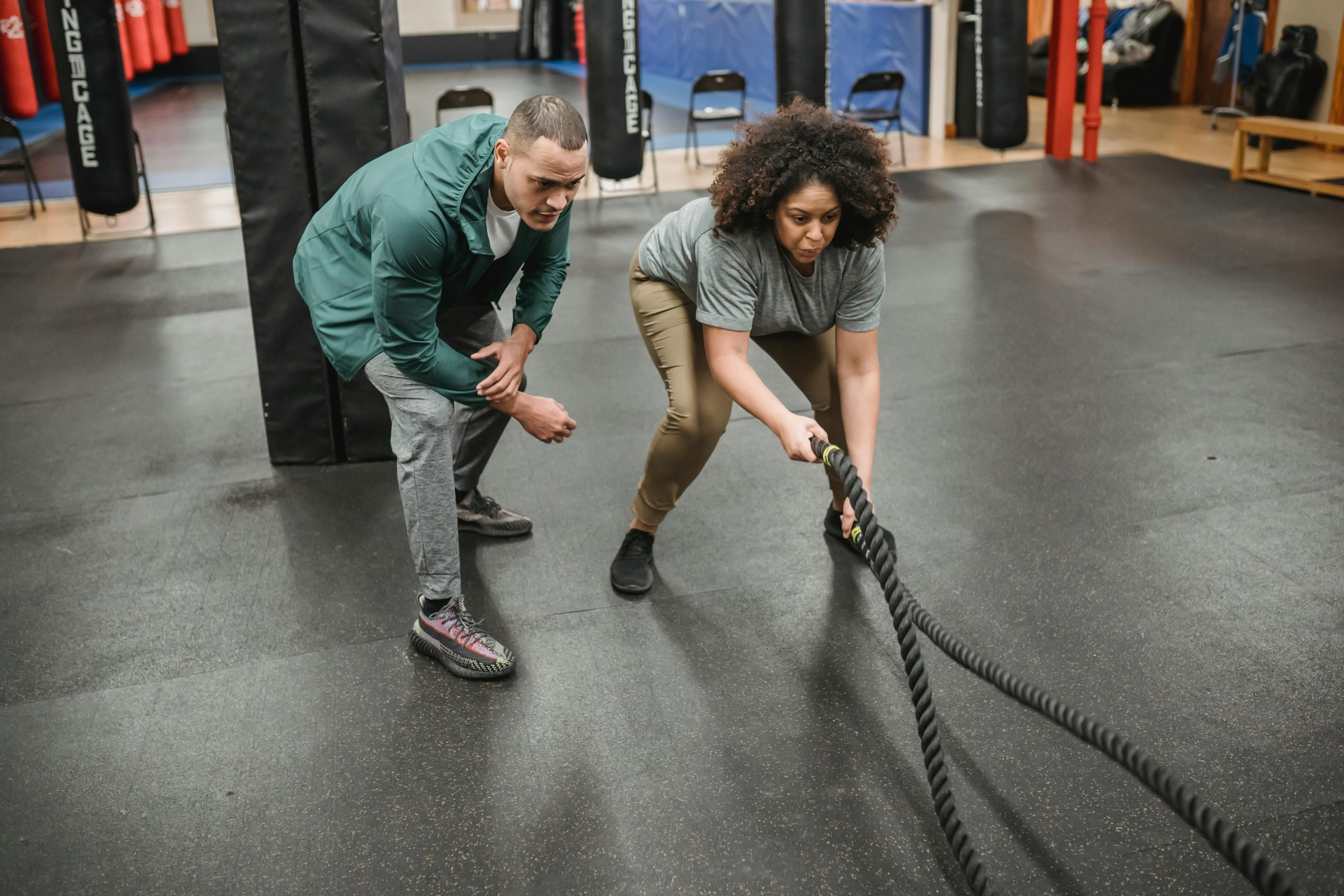
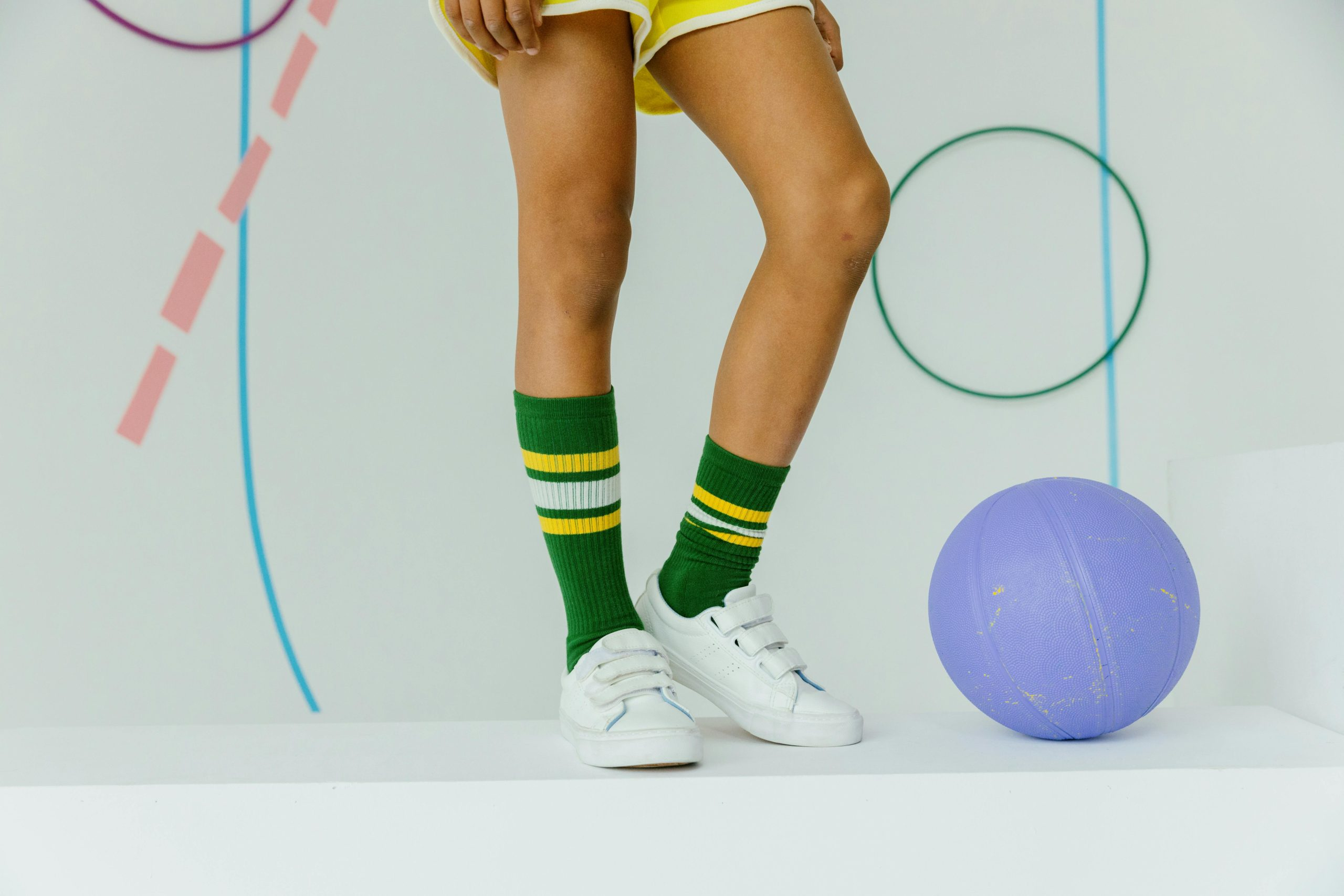
  • How To Build A Functional Workout Clothing Collection

    How To Build A Functional Workout Clothing Collection

    Are you tired of constantly having to adjust your clothing during a workout? Do you feel restricted and uncomfortable in your fitness attire? It may be time to build a functional workout clothing collection that not only looks stylish, but also supports your body during exercise. Whether you’re a seasoned gym-goer or just starting with your fitness journey, having the right workout clothing is essential for a comfortable and effective workout. In this article, we will guide you on how to build a functional workout clothing collection, tailored to your fitness needs.

    Why Functional Workout Clothing Matters

    Before we dive into the details of building your workout clothing collection, it’s important to understand why functionality is crucial. Functional workout clothing is designed to meet the physical demands of various exercises, providing support and comfort to your body. Regular clothing may not be suitable for workouts as it can restrict your movements, cause discomfort, and even lead to injuries. That’s why investing in functional workout clothing is a wise choice for anyone wanting to get fit and stay injury-free.

    Step 1: Evaluate Your Workout Routine

    The first step to building a functional workout clothing collection is to evaluate your workout routine. This is important because different exercises require different types of clothing for optimal performance. For example, if you’re into weightlifting, you’ll need clothing that is stretchable and provides adequate support to your muscles. On the other hand, if you’re into high-intensity cardio, you’ll need clothing that has good moisture-wicking properties to keep you dry and comfortable. Take a moment to think about your workout routine and the type of clothing that will work best for it.

    Step 2: Choose the Right Material

    Now that you have determined your workout routine, it’s time to choose the right material for your clothing. The material of your workout clothing can make a huge difference in how comfortable and functional it is. Look for materials that are breathable, moisture-wicking, and stretchable. Fabrics like nylon, spandex, and polyester are a popular choice for workout clothing as they provide maximum comfort and flexibility.

    Step 3: Consider the Fit

    The fit of your workout clothing is crucial for both functionality and style. Ill-fitted clothing can restrict your movements and make your workout uncomfortable. When selecting your workout clothing, make sure to try them on and move around in them to see if they are comfortable and allow a full range of motion. For most workouts, a snug fit is preferred over a loose fit as it provides better support and reduces the risk of injuries.

    Step 4: Don’t Forget About Support

    Support is another important factor to consider when building a functional workout clothing collection. For high-impact workouts, it’s essential to have proper support for your chest, especially for women. Look for sports bras that provide adequate support and comfort. When shopping for shorts or leggings, look for those that have a thick waistband to provide support to your core muscles.

    Step 5: Add Some Fun to Your Collection

    Functional workout clothing doesn’t have to be boring. Have fun with your collection by adding some pops of color or patterns. Not only will this make your collection more visually appealing, but it can also boost your mood and motivation for your workouts. However, make sure to balance fashion with functionality, so your clothing doesn’t interfere with your workout.

    Conclusion

    Building a functional workout clothing collection doesn’t have to be complicated. By following these simple steps, you can create a collection that not only supports your body during workouts but also makes you look and feel great. Remember, investing in good quality workout clothing is investing in your health and fitness. So, take your time, do your research, and build a collection that you’ll love to wear and work out in.

    With the right functional workout clothing, you’ll be able to move freely, stay comfortable, and achieve your fitness goals with ease. So, go ahead and start building your workout clothing collection today!

  • The Intersection Of Sports Performance And High Fashion

    The Intersection Of Sports Performance And High Fashion

    The worlds of sports performance and high fashion may seem like polar opposites at first glance. One is associated with sweat, hard work, and physical exertion, while the other is often adorned with glamour, luxury, and unattainable beauty standards. However, in recent years, these two worlds have started to merge and intersect in unexpected ways. The rise of athleisure and the growing influence of athletes in the fashion industry have blurred the lines between what is considered athletic wear and high fashion. This fusion has opened up new opportunities and challenges for both industries, resulting in a dynamic and constantly evolving landscape. In this article, we will explore the intersection of sports performance and high fashion and how it has reshaped the definition of both fields.

    The Rise of Athleisure

    Athleisure, a term coined from combining “athletic” and “leisure,” refers to clothing items that are designed to be worn both for athletic activities and everyday wear. This trend has seen a significant surge in popularity in recent years, with major fashion brands embracing it and releasing their own athleisure lines. It is not uncommon to see top athletes and celebrities sporting athleisure outfits while running errands or attending events. The rise of athleisure highlights the increasing demand for comfortable, versatile, and stylish clothing that can seamlessly transition from a workout to a day out on the town.

    The Impact on Sports Performance

    Athletes are always looking for ways to maximize their performance on the field or court. With the surge of athleisure, sports brands have also had to shift their focus and offer products that not only perform well but also look good. This has sparked a trend of incorporating high-fashion elements into athletic wear, pushing the boundaries of traditional sports apparel. High-performance materials and advanced technology are now combined with sleek designs and trendy colors, creating a new standard for sports gear.

    The Influence on High Fashion

    On the other end of the spectrum, high fashion has also been impacted by the rise of athleisure. Designers are now taking inspiration from athletic wear and incorporating it into their collections. The use of sweat-wicking fabrics, sporty embellishments, and oversized silhouettes have become common in high-fashion pieces. The presence of athletes and sports influencers in the fashion industry has also fueled this trend, with their off-duty style being highly sought-after.

    Athletes as Fashion Icons

    In the past, athletes were often not taken seriously in the fashion world. However, with the rise of social media, athletes now have a platform to showcase their personal style and influence fashion trends. Their athletic achievements and dedication to their sport also make them attractive brand ambassadors for fashion labels. Top athletes such as LeBron James, Serena Williams, and Cristiano Ronaldo have all collaborated with major fashion brands and have become fashion icons in their own right.

    The Key to Success: Performance and Aesthetics

    The intersection of sports performance and high fashion has one key factor that ties them together: the combination of performance and aesthetics. Athletes need apparel that can keep up with their rigorous training while also looking good. High-fashion consumers want clothes that not only make a statement but also provide comfort and functionality. This combination has resulted in innovative designs that push the boundaries of both industries.

    Challenges and Roadblocks

    Although the fusion of sports performance and high fashion has opened up new opportunities, it also comes with challenges. One of the main concerns is affordability. High-quality performance gear comes with a high price tag, making it inaccessible to many. In the same vein, high-fashion collaborations with athletes can also be exclusive and only cater to a niche market. Another challenge is cultural appropriation, taking elements from specific sports and cultural backgrounds without proper credit or representation.

    The Future of Sports Performance and High Fashion

    The intersection of sports performance and high fashion is a trend that shows no signs of slowing down. With the ever-growing demand for comfortable and stylish clothing, it is expected that more collaborations and innovative designs will emerge. It is also an opportunity for both industries to become more inclusive and diverse, breaking away from traditional norms and celebrating different body types and cultural backgrounds.

    In conclusion, the intersection of sports performance and high fashion has blurred the lines between athletic wear and high fashion, creating a dynamic and innovative landscape. It has also opened up opportunities for athletes to showcase their personal style and for fashion brands to incorporate athletic elements into their designs. As the fashion industry continues to evolve, we can expect to see more unexpected intersections, pushing the boundaries and redefining what it means to be fashionable.

  • Celebrating The Craftsmanship Of Handmade Leather Goods Online

    Celebrating The Craftsmanship Of Handmade Leather Goods Online

    In a world where everything seems to be mass-produced and easily accessible at the click of a button, there is something special about handmade leather goods. From the intricate details to the expert craftsmanship, each piece tells a unique story and carries with it a sense of pride and quality that cannot be replicated by machines. With the rise of e-commerce, celebrating the craftsmanship of handmade leather goods online has become more important than ever. In this article, we will explore the beauty and value of these goods and how the digital landscape has made it easier to support and appreciate the art of handcrafted leather items.

    The Art of Handmade Leather Goods

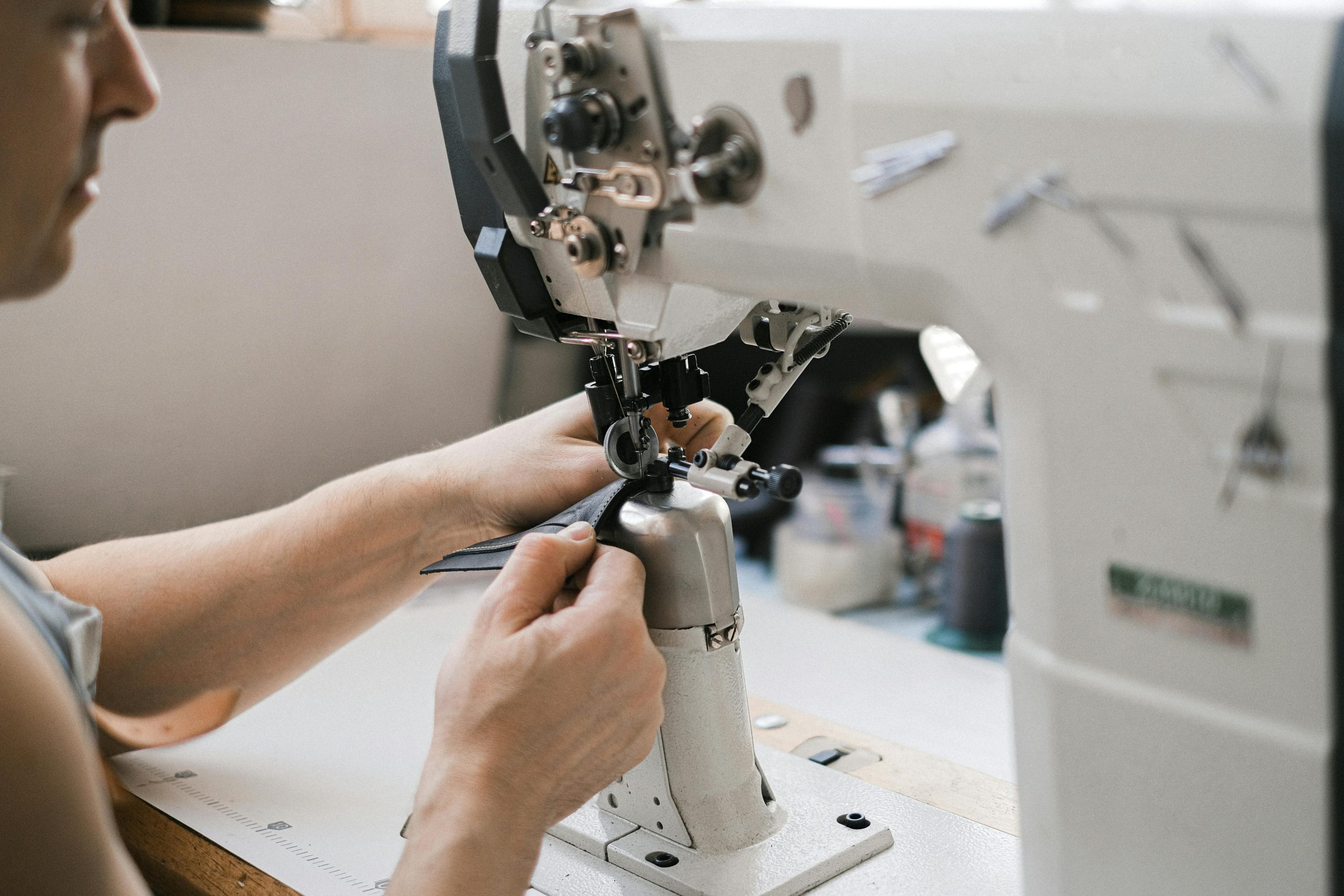
    The process of creating a handmade leather good is a labor of love, requiring attention to detail and a deep understanding of the craft. Whether it is a leather bag, accessory, or footwear, each piece is carefully crafted by skilled artisans using traditional techniques and tools. Every step of the process, from selecting the leather hide to the final stitching, is done by hand, making each item truly one-of-a-kind.

    Unlike mass-produced goods, handmade leather items are not just about functionality; they are also about beauty and quality. The craftsmanship of these goods is evident in the fine stitching, hand-burnished edges, and precise details that give them a unique character and value. This level of dedication and skill cannot be replicated by machines, making each handmade leather good a timeless piece that will last a lifetime.

    Supporting Local Artisans

    One of the most significant advantages of purchasing handmade leather goods online is the ability to support local artisans and small businesses. With the rise of e-commerce, these craftsmen can now reach a broader audience, making it easier for them to showcase their products and connect with customers worldwide. By buying directly from these artisans, you are not only getting a high-quality product, but you are also supporting their art and helping to keep the craft alive for future generations.

    Moreover, purchasing handmade leather goods from local artisans also means you are contributing to the sustainability of the industry. With the rise of fast fashion and mass-produced goods, traditional crafts are at risk of dying out. By choosing to buy handmade leather items, you are supporting a more sustainable and ethical way of shopping, where quality and longevity are valued over cheap and disposable products.

    The Digital Landscape and Handmade Leather Goods

    Thanks to the internet and e-commerce, the market for handmade leather goods has expanded exponentially, making it easier for both artisans and customers to connect and do business. Many artisans now have their own websites and online stores, where they can showcase their products and connect with a global audience. Social media platforms, such as Instagram and Pinterest, have also become powerful tools for these artisans to showcase their work and reach potential customers worldwide.

    From a customer’s perspective, the digital landscape has made it easier to discover and purchase handmade leather goods online. With a few clicks, you can explore a wide range of products from various artisans, compare prices, and read reviews from other customers. Many e-commerce sites also offer a range of payment and shipping options, making it convenient for customers to buy from their favorite artisans from the comfort of their own homes.

    In Conclusion

    Handmade leather goods are more than just products; they are pieces of art that tell a story and carry with them the passion and skill of their makers. In today’s fast-paced and mass-produced world, celebrating the craftsmanship of these goods online is crucial to ensuring the continued success and sustainability of the industry. By choosing to support local artisans and purchasing handmade leather goods online, you are not just getting a high-quality product, but you are also contributing to the preservation of a valuable art form for generations to come.

    So the next time you’re looking for a quality and unique piece to add to your collection, consider celebrating the craftsmanship of handmade leather goods and support the talented artisans who pour their heart and soul into each piece. After all, owning a handmade leather good is not just about having a functional item; it’s about owning a piece of art that has a story and a soul.

  • Why Organic Cotton Is Better For Your Skin

    Why Organic Cotton Is Better For Your Skin

    If you’re someone who is conscious about organic and eco-friendly products, chances are you’ve heard of organic cotton. With the increase in popularity of organic lifestyle choices, organic cotton has become a hot topic in sustainability and ethical fashion conversations. But did you know that organic cotton is not only good for the environment, but it’s also better for your skin? In this article, we’ll dive into the reasons why organic cotton is the perfect choice for those with sensitive and delicate skin.

    The Importance of Choosing Organic Cotton

    Cotton is one of the most widely used fabrics in the textile industry, known for its softness, breathability, and versatility. But conventional cotton production is also known to be one of the most chemically-intensive crop production systems. According to the World Health Organization, conventional cotton production accounts for over 16% of global insecticide sales and 7% of pesticide sales, despite covering only 2.4% of global cropland. These chemicals not only have a detrimental effect on the environment but can also have negative impacts on our health, especially on our skin.

    The Benefits of Organic Cotton for Your Skin

    Chemical-Free

    Organic cotton is grown without the use of synthetic pesticides, herbicides, fertilizers, and genetically modified seeds. This means that the fabric is free from harmful chemicals that can irritate and damage sensitive skin. Conventional cotton, on the other hand, can leave traces of these chemicals in the fabric, which can cause skin irritation, allergies, and even breakouts. Choosing organic cotton ensures that your skin is not exposed to any harmful substances.

    Hypoallergenic

    Organic cotton is also hypoallergenic, meaning it is less likely to cause allergic reactions. This is due to the absence of harsh chemicals that can trigger allergies in sensitive individuals. Conventional cotton, on the other hand, can be treated with chemicals and dyes that can cause irritation for those with allergies or eczema. By choosing organic cotton, you can alleviate the discomfort and irritation caused by conventional cotton fabrics.

    Softer and More Breathable

    Organic cotton is known for its softness and breathability, making it perfect for those with sensitive skin. The fabric is gentle on the skin and allows for adequate air circulation, reducing the risk of irritation and rashes. In contrast, conventional cotton can be rough and dense, making it uncomfortable for those with delicate skin. The softness and breathability of organic cotton make it the perfect choice for clothing and bedding, as it promotes healthy and comfortable skin.

    Non-Toxic Dyes

    In addition to being grown without the use of chemicals, organic cotton is also dyed using non-toxic, natural dyes. This means that the fabric does not contain any harmful substances that can be absorbed by the skin. Conventional cotton, on the other hand, is commonly dyed with toxic chemicals that can be irritating and potentially harmful to the skin. By choosing organic cotton, you can be sure that you are not exposing your skin to any toxic substances.

    The Future of Sustainable and Skin-Friendly Fashion

    As consumers become more aware of the impact of their choices, the demand for sustainable and ethical fashion has been on the rise. This has resulted in an increase in organic cotton production and availability in the market. Brands are now choosing to use organic cotton in their collections, promoting not only environmental sustainability but also healthier options for our skin.

    In conclusion, organic cotton is undoubtedly the better choice for those with sensitive skin. Its chemical-free, hypoallergenic, soft, and breathable properties make it the perfect fabric for clothing and bedding, promoting healthy and comfortable skin. By choosing organic cotton, you not only take care of your skin but also contribute to a more sustainable and ethical fashion industry.

  • The Comeback Of Wide Leg Trousers In Formalwear

    The Comeback Of Wide Leg Trousers In Formalwear

    If you’ve been following fashion trends, you may have noticed a shift in formalwear lately. Instead of the usual fitted and tailored trousers, a new player has emerged on the scene – wide leg trousers. These wide leg trousers were first introduced in the 1970s and were popular for their comfort and relaxed fit. Fast forward to today, and they are making a major comeback in the formalwear world. From fashion runways to red carpets, the wide leg trouser trend is taking over. In this article, we’ll delve into the reasons behind the comeback of wide leg trousers in formalwear and how you can incorporate this trendy piece into your wardrobe.

    The Versatile Appeal of Wide Leg Trousers

    Wide leg trousers have always been a favorite among women for their versatility. They offer a comfortable and relaxed fit, making them the perfect choice for casual wear. However, with the recent resurgence of 70s fashion, wide leg trousers have now made their way into formal and professional settings as well. The wide leg silhouette has a timeless appeal that exudes sophistication and elegance, making it suitable for a variety of occasions.

    Perfect for Workwear

    Gone are the days when pencil skirts and fitted trousers were the only option for office attire. Wide leg trousers have proven to be a more comfortable and stylish alternative that still maintains a professional look. They offer a looser fit, which allows for easy movement, making them ideal for long workdays. Plus, wide leg trousers come in a variety of materials, such as wool and crepe, making them suitable for all seasons.

    A Glamorous Option for Formal Events

    When it comes to formal events, it’s easy to stick to the traditional dress and skirt options. However, wide leg trousers offer a chic and glamorous alternative that can make a statement. They provide a unique and modern twist to traditional evening wear. Opt for a pair of high-waisted wide leg trousers in a luxurious fabric, such as satin or velvet, for a show-stopping look.

    The Fit and Flare Effect

    The wide leg silhouette has a flattering effect on all body types, and it’s no surprise that it’s making a comeback. Unlike fitted trousers that can sometimes emphasize certain areas, wide leg trousers create a balanced and elongated look. They help to create a defined waistline while giving the illusion of longer legs. This silhouette can be particularly flattering for petite figures or those looking to add some curves to their frame.

    Styling Wide Leg Trousers

    Once you’ve jumped on the wide leg trouser bandwagon, it’s essential to know how to style them. Wide leg trousers can be dressed up or down, depending on the occasion. For a more casual look, pair them with a tucked-in t-shirt or a flowy blouse. To create a more formal look, pair them with a blouse or tailored blazer and some heels.

    Length Matters

    When it comes to the length of wide leg trousers, it’s crucial to find the right fit. The hem should hit just above the ground, covering the top of your shoes. This will give the illusion of longer legs and create a flattering silhouette. If the hem is too long, consider getting them tailored to fit your height perfectly.

    Accessorize Wisely

    Accessories can make or break an outfit, and the same goes for wide leg trousers. Avoid chunky belts or oversized jewelry, as they can clash with the flowy silhouette. Instead, opt for delicate and minimalistic accessories, such as a dainty necklace or a slim belt to cinch in your waist.

    In Conclusion

    The comeback of wide leg trousers in formalwear is a welcome change in the fashion world. These versatile and stylish bottoms offer a comfortable and unique alternative to traditional formal attire. With the right fit and styling, wide leg trousers can be the perfect addition to your wardrobe, whether it’s for work or a special occasion. So don’t be afraid to embrace this trend and add some flare to your formalwear collection.

  • How To Dress For A Job Interview Successfully

    How To Dress For A Job Interview Successfully

    When it comes to job interviews, first impressions are crucial. One of the simplest yet most important things you can do to make a strong first impression is to dress appropriately. While you may have heard the saying, “don’t judge a book by its cover,” the truth is that appearance matters in the professional world. Your choice of attire can communicate your professionalism, attention to detail, and respect for the company and the interviewer. So if you want to ace that job interview, it’s essential to know how to dress for success. Here are some tips on how to dress for a job interview successfully.

    Choose Appropriate Attire

    The first rule of dressing for a job interview is to choose appropriate attire. This means dressing for the position and the company you are interviewing for. Do some research beforehand on the company’s culture and dress code. For more traditional companies, a business suit is usually the way to go. For companies with a more casual culture, you can opt for a blazer and dress pants or a conservative dress, depending on your personal style and the position you are interviewing for.

    Stick to Neutral Colors

    When it comes to colors, it’s best to stick to neutral tones for your interview outfit. Neutrals like black, navy, and gray are timeless, classic, and professional. These colors also allow your skills and personality to shine instead of being overshadowed by a bright or flashy outfit. Remember, you want the focus to be on you and your qualifications, not your clothes.

    Avoid Excessive Accessories

    Accessories can add a personal touch to any outfit, but in an interview setting, less is more. Avoid excessive accessories, such as chunky jewelry or bold statement pieces. Stick to simple, classic accessories like a watch, a pair of small earrings, or a simple necklace. These add a touch of elegance without being distracting.

    Make Sure Your Clothes Fit Well

    No matter how appropriate your attire is, if it doesn’t fit well, it will not give off a professional impression. When selecting your interview outfit, make sure that your clothes fit you well and make you feel confident. If you’re not sure if something fits correctly, try it on a few days before the interview, or ask a friend for their opinion. Remember to avoid anything that is too tight, too loose, or too revealing.

    Pay Attention to Grooming

    While your interview attire is crucial, your overall appearance matters as well. Make sure you pay attention to your grooming before the interview. This includes a neat and tidy hairstyle, clean and trimmed nails, and a natural-looking makeup, if applicable. Also, remember to freshen up your breath and avoid any strong scents that could be distracting to the interviewer.

    Wear Comfortable Shoes

    Don’t underestimate the importance of comfortable shoes in an interview. You want to make a good impression, but you also want to be comfortable during the entire process. Opt for closed-toe shoes and avoid any footwear that makes noise when you walk. If you’re not used to wearing dress shoes, make sure to wear them a few times before the interview to break them in.

    Final Thoughts

    Dressing for a job interview may seem like a trivial task, but it can make a significant impact on the interviewer’s perception of you. Remember to choose appropriate attire, stick to neutral colors, avoid excessive accessories, and pay attention to grooming. With these tips in mind, you’ll be sure to make a great first impression and, hopefully, land that dream job.

    Remember that while it is important to make a good impression, your qualifications and skills are what truly matter. So don’t stress too much about your interview outfit, and instead focus on preparing and showcasing your talents and achievements.

    In Conclusion

    Dressing for a job interview successfully means dressing appropriately for the position and the company culture, sticking to neutral colors and avoiding excessive accessories, making sure your clothes fit well, paying attention to grooming, and wearing comfortable shoes. By following these tips, you can make a strong first impression and increase your chances of acing that interview and landing your dream job. Good luck!

  • The Most Influential Fashion Designers Of This Century

    The Most Influential Fashion Designers Of This Century

    Fashion has always been a reflection of society and its shifting values. The fashion industry is one of the largest and most dynamic industries in the world, constantly evolving and setting new trends. And at the heart of this industry are the fashion designers, who bring their creative vision to life and make a lasting impact on the world of fashion. In this article, we will take a look at the most influential fashion designers of this century, who have shaped and transformed the landscape of fashion with their innovative designs and unique style.

    The Rise of the Fashion Designer

    In the early days of the fashion industry, designers were often overshadowed by the garment manufacturers and retailers. However, all that changed in the 20th century, as fashion designers started gaining recognition for their creative talent and became the driving force behind the fashion industry. With a growing demand for unique and innovative designs, designers started to emerge as the ultimate trendsetters, shaping the way people dressed and influencing the fashion choices of millions.

    The Most Influential Fashion Designers Of This Century

    Coco Chanel

    It is impossible to talk about influential fashion designers without mentioning Coco Chanel. This iconic designer is known for revolutionizing women’s fashion with her simple and elegant designs that rejected the restrictive and extravagant styles of the time. Chanel’s signature pieces, such as the little black dress and the tweed suit, continue to be timeless classics even today.

    Yves Saint Laurent

    Yves Saint Laurent is another legend in the world of fashion, renowned for his glamorous and innovative designs. He introduced the first tuxedo suit for women in 1966, breaking traditional gender norms and empowering women to dress in a more masculine style. Saint Laurent’s designs were daring and bold, and his legacy continues to inspire fashion designers around the world.

    Gianni Versace

    Gianni Versace was the epitome of luxury and excess in the fashion industry. He was known for his opulent and bold designs, often featuring bright colors, bold prints, and intricate details. Versace’s creations were a favorite among celebrities and he is credited with popularizing the supermodel phenomenon, using top models in his fashion shows. His legacy lives on through the iconic Versace brand, which continues to be a powerhouse in the fashion world.

    Karl Lagerfeld

    Karl Lagerfeld is synonymous with the fashion house Chanel, where he served as the creative director for over 30 years. With his unmatched talent and creative vision, Lagerfeld successfully modernized and reinvigorated the classic Chanel designs, making it one of the most sought-after luxury brands in the world. He also designed for other renowned fashion houses, such as Fendi and his own eponymous brand, leaving a lasting impact on the fashion industry.

    Alexander McQueen

    Alexander McQueen was a true visionary in the fashion world, known for his dramatic and unconventional designs. He pushed the boundaries of fashion with his avant-garde collections, often drawing inspiration from historical and cultural references. McQueen’s tragic death in 2010 was a huge loss for the fashion industry, but his legacy lives on through his eponymous brand, which continues to push the boundaries of fashion.

    Raf Simons

    Raf Simons is a Belgian fashion designer who is known for his minimalist and futuristic designs. He has worked with some of the biggest fashion houses, such as Jil Sander and Dior, and has been instrumental in bringing a modern and edgy aesthetic to these established brands. His designs have been highly influential in shaping the current fashion landscape, and he continues to push the boundaries of fashion with his own brand.

    Phoebe Philo

    Phoebe Philo is a British fashion designer who has had a huge impact on the world of fashion with her clean, minimalistic designs. She is credited with bringing back the trend of oversized androgynous silhouettes and popularizing the “normcore” trend. Philo’s designs are often described as effortlessly chic, and her minimalist aesthetic has become a staple in the fashion industry.

    Riccardo Tisci

    Riccardo Tisci is an Italian fashion designer who is best known for his work with Givenchy. He has been instrumental in transforming the luxury brand into a modern, edgy powerhouse, thanks to his bold and provocative designs. Tisci’s designs have been a favorite among celebrities and continue to have a strong influence on the fashion industry.

    Virgil Abloh

    Virgil Abloh is a trailblazer in the fashion industry, known for his streetwear-inspired aesthetic and his label, Off-White. He made history by becoming the first African-American artistic director at the luxury fashion house Louis Vuitton. Abloh’s designs have been a hit with the younger generation, making him one of the most influential fashion designers of this century.

    The world of fashion is constantly evolving and adapting, but these fashion designers have left a lasting impact with their unique styles and innovative designs. They have not only influenced the way we dress but have also challenged societal norms and pushed the boundaries of fashion. Their legacy continues to inspire and shape the future of fashion, making them the most influential fashion designers of this century.

  • Sustainable Handbag Alternatives For Every Conscious Fashion Lover

    Sustainable Handbag Alternatives For Every Conscious Fashion Lover

    Are you a conscious fashion lover who also cares about the impact your choices have on the environment? As more and more people become aware of the negative consequences of fast fashion on the planet, they are seeking sustainable alternatives. When it comes to accessories, handbags are a must-have item for many fashionistas. However, traditional handbags made from materials like leather and synthetic fabrics can have a significant ecological footprint. Luckily, there are plenty of sustainable handbag alternatives for those who want to make a positive impact with their fashion choices. In this article, we’ll explore some of the best options for every conscious fashion lover.

    Why Choose Sustainable Handbags?

    First and foremost, it’s essential to understand why it’s crucial to choose sustainable handbags over traditional ones. The fashion industry is known to be the second-largest polluter in the world, and handbags are a big part of that. Traditional leather handbags require a significant amount of resources such as water and energy, and their production releases harmful chemicals and pollutants into the environment.

    Support Ethical Practices

    Choosing sustainable handbags means supporting ethical practices. Unlike traditional handbags, sustainable alternatives are often made by local artisans using eco-friendly materials and methods. This not only ensures fair wages and safe working conditions but also helps to preserve traditional crafting techniques. By purchasing sustainably made handbags, you are supporting small businesses and promoting ethical fashion practices.

    Reduce Your Carbon Footprint

    The production and transportation of traditional handbags have a significant impact on the environment. In contrast, sustainable handbags are often made from recycled or organic materials, reducing the need for new resources. Additionally, many sustainable brands also prioritize using sustainable packaging and shipping methods, further reducing their carbon footprint. By choosing sustainable handbags, you can reduce your own carbon footprint and contribute to a cleaner, healthier planet.

    Sustainable Handbag Alternatives

    Vegan Leather

    One of the most popular sustainable handbag alternatives is vegan leather. This synthetic material mimics the look and feel of traditional leather but is made from plant-based materials such as pineapple leaves, cork, or apple waste. Vegan leather is also cruelty-free, making it a great choice for conscious fashion lovers. Many brands now offer a variety of stylish and durable vegan leather handbags, making it easy to find one that fits your personal style.

    Upcycled Materials

    Upcycling is a sustainable practice that involves repurposing materials that would otherwise go to waste. Many sustainable handbags are made from upcycled materials such as old denim, seatbelts, or tire tubes. These unique materials create one-of-a-kind handbags that not only look great but also reduce waste and promote a circular economy. Check out upcycled handbags from brands like Matt & Nat and Freitag for a stylish and sustainable option.

    Natural Fibers

    Natural fibers are another eco-friendly alternative to traditional handbag materials. Materials like jute, cotton, and linen are biodegradable and have a lower environmental impact compared to synthetic fabrics. These materials can be used to create trendy totes, clutches, and crossbody bags. Brands like Reformation and Ecoalf offer a variety of handbags made from natural fibers that are perfect for the conscious fashion lover.

    Sustainable Luxury

    If you’re a high-end handbag lover, you’ll be pleased to know that sustainable luxury handbags are becoming increasingly popular. Sustainable luxury brands prioritize using eco-friendly materials and ethical production processes while maintaining a high level of craftsmanship and design. Brands like Stella McCartney and Gabriela Hearst offer a range of luxurious handbags made from sustainable materials like recycled polyester and vegan leather.

    Conclusion

    In conclusion, there are many sustainable handbag alternatives for every conscious fashion lover to choose from. By opting for ethical, eco-friendly options, we can all make a positive impact on the environment and the fashion industry. Whether you prefer vegan leather, upcycled materials, or natural fibers, there is a sustainable handbag out there for you. So next time you’re in need of a new handbag, consider these alternatives and make a choice that aligns with your values.

  • Bold Pattern Mixing Techniques For The Truly Brave

    Bold Pattern Mixing Techniques For The Truly Brave

    You’re feeling daring and want to push the boundaries of your style. One of the boldest ways to do that is by using bold pattern mixing techniques. This may seem intimidating at first, but with the right guidance and styling choices, you can create unforgettable outfits that will leave everyone in awe. In this article, we will go over some of the best bold pattern mixing techniques for the truly brave fashion enthusiasts!

    Understanding Bold Pattern Mixing

    Before we dive into the techniques, let’s break down what we mean by bold pattern mixing. Simply put, it’s the art of mixing two or more patterns in one outfit. This can be anything from stripes and florals to polka dots and animal prints. However, not all pattern combinations are considered bold. To achieve a truly brave look, you need to experiment with more vibrant and contrasting patterns. As with any fashion rule, there are exceptions. But in general, the bolder the patterns, the more daring the look.

    Start Simple with Two Patterns

    If you’re new to bold pattern mixing, it’s best to start with just two patterns. This will make it easier for you to see what works and what doesn’t. One of the simplest ways to mix patterns is by choosing one busy pattern and one more subtle pattern. For example, pairing a striped top with a floral skirt or a leopard print blazer with a solid-colored dress. This is a great way to dip your toes into bold pattern mixing without feeling overwhelmed.

    Mix Similar Color Schemes

    Another easy way to tackle bold pattern mixing is by choosing patterns with similar color schemes. This will create a cohesive and harmonious look, making it less jarring to the eye. For example, if you’re wearing a black and white striped top, pair it with a black and white polka dot skirt. This technique works best when the patterns are different sizes, so they don’t compete with each other.

    Advanced Techniques for the Brave

    Once you’ve mastered the basics, it’s time to level up your bold pattern mixing game. Here are some advanced techniques to truly push the boundaries of your style:

    Juxtaposing Patterns

    This technique involves mixing two patterns that are completely opposite yet complement each other. It takes a keen eye to pull off, but when done right, it can create a stunning and unexpected outfit. For example, pairing a feminine floral dress with a masculine plaid blazer or a delicate lace top with a bold camouflage print skirt. Keep in mind that the key to making this technique work is to wear patterns in similar color schemes to tie the look together.

    Layering Patterns

    Layering patterns is for the truly adventurous fashionistas. This technique involves wearing multiple patterns on top of each other in one outfit. It’s all about finding the right balance and making sure the patterns don’t clash. For example, you can layer a striped top with a bold floral kimono and add a plaid scarf for an extra touch. It may seem like a lot, but when done correctly, it can create a unique and eye-catching look.

    Final Tips for Bold Pattern Mixing

    Not every outfit needs to be a bold pattern mixing extravaganza. Sometimes, less is more. Use accessories, such as statement earrings or a patterned scarf, to add a pop of pattern to a solid-colored outfit. This will keep your look balanced and not overwhelming. Additionally, when mixing patterns, make sure to vary the scale of patterns. If you’re wearing a small-scale print, pair it with a larger pattern to create visual interest.

    Lastly, confidence is key when it comes to pulling off bold pattern mixing. Don’t be afraid to experiment and have fun with your fashion choices. With these techniques in mind, you’re ready to rock any daring pattern mixing look with confidence and style!

  • The Influence Of Japanese Street Style On West

    The Influence Of Japanese Street Style On West

    When it comes to fashion, the streets of Japan are always on the cutting edge. From Harajuku’s eccentric cosplayers to Shibuya’s chic street style, Japanese fashion has long been an inspiration for designers and trend lovers all over the world. However, in recent years, the influence of Japanese street style has not only been limited to Asian countries but has expanded its reach to the West. With its unique blend of traditional and contemporary elements, Japanese street style has captivated the hearts of fashion enthusiasts and has become a major trend in Western countries. In this article, we will explore the impact of Japanese street style on the West and how it has shaped the fashion scene in Western countries.

    The Rise of Japanese Street Style

    Japanese street style is not a new phenomenon. It has been prevalent in Japan since the 1970s, with the emergence of niche fashion subcultures like the Lolita and Visual Kei movements. These subcultures were known for pushing the boundaries of mainstream fashion and embracing a unique and colorful aesthetic.

    However, it was not until the late 20th century that Japanese street style gained worldwide recognition. In the 1990s, the Harajuku district in Tokyo became a hub for fashion and creativity, with young people expressing themselves through unique and experimental fashion looks. This trend caught the attention of international media, and designers from the West started taking notice of this emerging fashion scene.

    The Unique Aesthetic of Japanese Street Style

    What sets Japanese street style apart is its fusion of traditional and contemporary elements. It takes inspiration from traditional Japanese clothing, such as the kimono and yukata, and blends it with modern fashion trends. This results in a unique and eclectic aesthetic that is not bound by any rules or trends.

    Another defining feature of Japanese street style is its attention to detail. From the carefully curated accessories to the intricate layering techniques, Japanese street style is all about creating a cohesive and visually appealing look.

    The Influence on Western Fashion

    The influence of Japanese street style on the West can be seen in various aspects of fashion, from haute couture to fast fashion. Many high-end designers have taken inspiration from Japanese street style and incorporated it into their collections. For instance, Louis Vuitton’s artistic director, Nicolas Ghesquière, has cited Japanese street style as a major inspiration for his runway shows. Iconic fashion brands like Comme des Garçons and Issey Miyake have also played a significant role in introducing Japanese fashion to the Western market.

    In addition to high fashion, Japanese street style has also influenced the fast fashion industry. Popular retail stores like Zara and H&M have incorporated elements of Japanese street style into their designs, making it more accessible to the general public. From oversized silhouettes to bright colors and playful prints, Japanese street style has become a staple in Western fashion.

    The Popularity of Japanese Street Style

    One of the reasons why Japanese street style has become so popular in the West is its inclusivity. It celebrates diversity and encourages individual expression, making it a welcoming and accessible style for people from all walks of life. Furthermore, Japanese street style is constantly evolving and adapting, making it fresh and exciting for fashion enthusiasts.

    Social media has also played a significant role in the popularity of Japanese street style in the West. With the rise of platforms like Instagram and TikTok, fashion lovers can easily discover and follow Japanese street style influencers and their unique fashion looks. This has also led to the globalization of Japanese street style, with people from all over the world embracing its aesthetic.

    In Conclusion

    Japanese street style has undoubtedly made a significant impact on the fashion scene in the West. Its fusion of traditional and contemporary elements, attention to detail, and inclusivity has captured the hearts of fashion enthusiasts and designers alike. With its continuous evolution and growing popularity, Japanese street style is here to stay and will continue to inspire and influence Western fashion for years to come.

  • How To Store Your Winter Clothes Properly Today

    How To Store Your Winter Clothes Properly Today

    As the winter season comes to an end, it’s time to pack away those thick coats, cozy sweaters, and bulky boots. While it may be tempting to simply shove everything into a box and toss it in the back of your closet, proper storage is crucial to ensure your winter clothes stay in good condition for years to come. This article will guide you on how to store your winter clothes properly today, so that when the cold weather returns, your clothes will be fresh and ready to wear again.

    Invest in Quality Storage Containers

    The first step to storing your winter clothes properly is to invest in quality storage containers. Opt for containers that are sturdy, airtight, and preferably made of plastic or fabric. Avoid using cardboard boxes as they are prone to moisture and insects. Also, make sure the containers are clean and dry before use. This will prevent any odors or mold from forming on your clothes.

    Clean and Dry Your Clothes

    Before storing your winter clothes, it’s important to clean and dry them thoroughly. This is especially crucial for items that are stained or have a strong odor. Wash your clothes according to the care instructions and make sure they are completely dry before packing them away. Any moisture left in the fabric can lead to mold growth and damage your clothes.

    Organize Your Clothes

    Organizing your clothes before storing them will make it easier to find what you need when the winter season returns. Sort your clothes into categories such as coats, sweaters, and boots. You can also organize them by color or fabric if desired. This will prevent you from having to dig through a pile of clothes to find what you need later on.

    Use Appropriate Storage Methods

    For Coats and Jackets

    Coats and jackets are bulky and take up a lot of space, so it’s important to store them properly to avoid creases and wrinkles. Hang them on sturdy hangers and cover them with breathable garment bags to protect them from dust and insects. Avoid using wire hangers as they can stretch out and distort the shape of your coats.

    For Sweaters

    Sweaters are delicate and should be folded rather than hung to prevent them from losing their shape. Use acid-free tissue paper to wrap each sweater to protect them from moisture and bugs. Then, place them in a storage container or a vacuum-sealed bag to save space.

    For Boots

    Winter boots are often made of materials like leather or suede, which require special care. Clean them with a soft cloth and store them upright in their original shoeboxes. If you no longer have the shoeboxes, you can purchase plastic containers specifically designed for boots. Stuff them with acid-free tissue paper to help them maintain their shape and absorb moisture.

    Store in a Cool, Dry Place

    When storing your winter clothes, make sure to choose a cool, dry place. Avoid storing them in attics, basements, or any area prone to high humidity. Excess heat and moisture can cause damage to your clothes and attract bugs. A closet or under the bed are good options for storage.

    Check on Your Clothes Periodically

    While your winter clothes may be out of sight, it’s important to check on them periodically. This will ensure that they are still in good condition and that no bugs or moisture have made their way in. If you notice any issues, take corrective action immediately to prevent any further damage.

    Conclusion

    Storing your winter clothes properly today will save you time, money, and stress in the long run. It will also help extend the life of your clothes, so you can continue to enjoy them in the future. Follow these steps and you’ll have a smooth transition from winter to spring, with your clothes looking as good as new.

  • The Role Of Embroidery In Modern Couture Collections

    The Role Of Embroidery In Modern Couture Collections

    From intricate hand-stitched details to elaborate machine-created designs, embroidery has played a significant role in the world of fashion for centuries. While it has been used for practical purposes in clothing, embroidery has also been an essential element in the art of couture collections. In modern times, the technique has evolved and found its way into the most luxurious runways, making its mark in the fashion industry. In this article, we will explore the history of embroidery, its evolution, and its indispensable role in modern couture collections.

    The History of Embroidery

    Embroidery can be traced back to ancient civilizations, with examples found in Egypt, China, and India. It was used to adorn clothing and household items, acting as a form of personal expression and status symbol. The earliest known embroidery techniques consisted of simple stitches and patterns created with natural fibers like wool, linen, and silk. Over time, embroidery became a widespread practice, with different regions developing their unique styles and techniques.

    The Evolution of Embroidery in Fashion

    As fashion evolved, so did embroidery. In the Middle Ages, it became a significant part of the church vestments, reserved for the wealthy and powerful. During the Renaissance, the technique became more elaborate and was used to embellish clothing and accessories. It was also during this time that embroidery techniques and designs were exchanged between different countries, sparking a cross-cultural influence that is still prevalent today.

    In the 19th century, the Industrial Revolution brought significant changes to the fashion industry. Embroidery, which was once a time-consuming and expensive craft, could now be produced on a larger scale using machines. This revolutionized the industry and paved the way for embroidery to become an integral part of modern fashion.

    The Rise of Embroidery in Couture Collections

    As fashion became more accessible to the masses, haute couture emerged as a way for designers to showcase their creativity and innovation. Embroidery played a vital role in this aspect, with designers pushing the boundaries and experimenting with new techniques. In the 20th and 21st centuries, embroidery has become a symbol of luxury and extravagance, used extensively in high fashion and couture collections.

    Embroidery adds a level of intricacy and detail that cannot be achieved with any other technique. It is a meticulous process that requires skilled artisans to handcraft each design, resulting in a one-of-a-kind piece of art. From hand-beading to gold threading, embroidery is a versatile technique that can be used to elevate any garment, making it perfect for couture collections.

    The Modern Use of Embroidery in Fashion

    In the current fashion landscape, embroidery has taken on a whole new form. It is no longer just reserved for haute couture; instead, it has become a versatile technique used in ready-to-wear collections, streetwear, and even activewear. With advancements in technology, embroidery can now be produced on a larger scale, allowing designers to incorporate it into their collections in various ways.

    Designers have also started to experiment with materials, combining traditional techniques with modern fabrics like denim and leather. This fusion creates a unique balance between old and new, resulting in stunning and innovative pieces. Embroidery has become a way for designers to add a personal touch to their collections, creating a distinctive identity for their brand.

    In Conclusion

    Over the years, embroidery has evolved from a practical technique to a symbol of luxury and innovation. It has stood the test of time and remained an essential element in the world of fashion. As designers continue to push the boundaries and experiment with new techniques and materials, embroidery will undoubtedly continue to play a significant role in modern couture collections. Whether it’s on the runway or in everyday wear, embroidery is truly a timeless art form that will always have a place in the world of fashion.

  • Creating A Signature Look That Reflects Your Personality

    Creating A Signature Look That Reflects Your Personality

    A signature look is more than just a style. It is a reflection of who you are and what you want to portray to the world. Creating a signature look is not about following the latest trends or fitting into a specific category – it is about standing out and exuding confidence in your own unique way. In this article, we’ll discuss how to create a signature look that truly reflects your personality.

    Finding Inspiration

    The first step towards creating a signature look is to find inspiration. Take some time to think about what makes you, well, you. What are your passions, interests, and values? What adjectives would you use to describe yourself? Use these answers as a guide to help you find inspiration for your signature look.

    Explore Different Styles

    It’s important to keep an open mind when exploring different styles and fashion trends. Don’t be afraid to step out of your comfort zone and try something new. Go through fashion magazines, browse online stores, and take note of fashion icons whose style resonates with you. This will give you an idea of what you like and what you don’t like, helping you to narrow down your options and create a signature look that truly reflects your personal style.

    Embrace Your Body Type

    One of the key elements of creating a signature look is embracing your body type. Finding clothes that flatter your figure and make you feel confident is crucial for a signature look that reflects your personality. Don’t try to fit into a certain trend or size if it doesn’t feel right for you. Instead, focus on finding pieces that make you feel comfortable and confident. This will not only help you embrace your body, but it will also bring out your natural beauty and personality.

    Mix and Match

    A signature look is all about bringing your own unique style to the forefront. Don’t be afraid to mix and match different pieces to create a look that is all your own. Combining different prints, textures, and colors can add an interesting dynamic to your wardrobe and make your look stand out. Just remember to keep it balanced and cohesive – don’t go overboard with too many contrasting elements.

    Add Personal Touches

    To truly make your signature look reflect your personality, add some personal touches. This could be in the form of accessories like jewelry, scarves, hats, or even a certain hairstyle. These small details can make a big impact and add a unique touch to any outfit. Plus, they can also serve as conversation starters and give others a glimpse into your personal style.

    Confidence is Key

    A signature look is not just about the clothes you wear – it’s also about how you wear them. The most important element is confidence. When you feel confident in your outfit, it will radiate through your body language and enhance your overall look. So, whatever your signature style may be, make sure to always rock it with confidence.

    Don’t be Afraid to Evolve

    As you grow and evolve as a person, your signature look may also change. Embrace this evolution and don’t be afraid to switch things up. Your signature look should always reflect who you are at the present moment, so if you find that your style is evolving, allow it to do so. This will ensure that your signature look always stays true to your personality.

    Final Thoughts

    Creating a signature look that reflects your personality takes time, experimentation, and a bit of confidence. But the end result is worth the effort – a unique, stand-out style that truly represents who you are. Remember to stay true to yourself, keep an open mind, and always wear your signature look with confidence.

  • Iconic Fashion Photography That Defined An Entire Era

    Iconic Fashion Photography That Defined An Entire Era

    The world of fashion has always been enamored with the power of visual imagery. Through photography, designers, models, and stylists are able to create captivating images that evoke emotions and capture the essence of a particular era. In the past century, there have been numerous iconic fashion photographs that have not only defined the fashion industry but have also become timeless pieces of art. These photographs have shaped the way we view and appreciate fashion, and have left a lasting impact on the industry. In this article, we take a look at some of the most iconic fashion photography that defined an entire era.

    The Birth of Fashion Photography

    In the early 20th century, fashion photography was still in its infancy. Photographers were using static studio setups and posed models to capture clothing styles. However, in the 1920s, the work of Baron Adolphe de Meyer revolutionized fashion photography. He introduced the concept of using natural light and outdoor settings to showcase clothing, making it more dynamic and visually appealing. This marked the birth of modern fashion photography and laid the foundation for future photographers to explore and experiment with new techniques.

    The Golden Age of Fashion Photography

    In the 1950s and 1960s, fashion photography experienced a golden age, with iconic photos that are still revered today. Photographers such as Richard Avedon, Irving Penn, and Helmut Newton emerged as pioneers of this era, pushing the boundaries of what was considered traditional fashion photography.

    Avedon’s work in Harper’s Bazaar and Vogue captured the essence of the post-war glamour and sophistication of the time. His unique use of movement, composition, and lighting transformed fashion photography into a form of art. Similarly, Penn’s minimalist and elegant style, along with his use of natural light, gave his images a timeless, almost surreal quality.

    Newton, on the other hand, brought a provocative and controversial edge to fashion photography. His images were known for their strong sexual undertones, challenging societal norms and pushing the boundaries of what was considered acceptable in the industry.

    Breaking the Mold: The Rise of Diversity

    In the 1970s, fashion photography began to break out of its conventional mold. With the rise of the feminist movement and the Civil Rights Movement, there was a growing demand for more diverse representation in the industry. This led to the emergence of influential photographers such as Deborah Turbeville and Antonio Lopez, who captured the beauty and diversity of race, gender, and body types in their work.

    Turbeville’s dreamlike and unconventional style challenged the traditional notion of beauty, while Lopez’s vibrant and colorful images celebrated the beauty of diversity. Their work not only reflected the changing social landscape of the time but also paved the way for future generations of fashion photographers to embrace and celebrate diversity in their work.

    Moving With the Times: The Digital Revolution

    In the late 20th century, the fashion industry witnessed another major shift with the emergence of digital technology. The digital revolution allowed for more freedom and creativity in fashion photography, as photographers were no longer restricted by the limitations of film. The iconic photos of the 1990s and 2000s, captured by photographers like Steven Meisel, David LaChapelle, and Mario Testino, pushed the boundaries of what was possible in fashion photography.

    Meisel’s work in Vogue and Vanity Fair is known for its provocative and controversial themes, while LaChapelle’s surreal and imaginative style challenges the norms of beauty and fashion. Testino’s glamorous and polished images captured the essence of the celebrity culture of the 2000s, making him one of the most sought-after photographers in the industry.

    The Legacy of Iconic Fashion Photography

    The influence of these iconic fashion photographs extends far beyond the world of fashion. They have become cultural icons, inspiring artists, designers, and photographers across different industries. They have also shaped the way we view fashion, beauty, and gender in society.

    Today, fashion photography continues to evolve and push the boundaries of artistic expression. With the rise of social media and the democratization of photography, it has become more accessible and diverse than ever before. The legacy of these iconic fashion photographs lives on, reminding us of the power and influence of visual imagery in shaping our perception of fashion and society.

    As we look back at the iconic fashion photography that defined an entire era, we are reminded of the ever-changing nature of fashion and the timeless impact of visually stunning images. These photographs will forever hold a special place in the history of fashion, and will continue to inspire and influence future generations of fashion photographers.

  • Why Athleisure Is Still Dominating The Fashion World

    Why Athleisure Is Still Dominating The Fashion World

    Athleisure has been taking over the fashion world by storm in recent years, and it shows no signs of slowing down. The trend of combining athletic wear with everyday clothing has not only become a fashion statement, it has also become a lifestyle. From high-end designer collaborations to everyday streetwear, athleisure has made a significant impact and has become a staple in people’s wardrobes. Let’s explore why athleisure is still dominating the fashion world and how it has evolved into more than just a passing trend.

    The Rise of Athleisure

    The term “athleisure” was first coined in the 1970s by fashion designer Norma Kamali, but it didn’t gain mainstream popularity until the past decade. As people started becoming more health-conscious and prioritizing comfort in their clothing, athleisure began to gain momentum. Brands like Lululemon, Nike, and Adidas became synonymous with the trend, while celebrities and influencers also embraced the style.

    The Comfort Factor

    One of the main reasons why athleisure has become so popular is because of its comfort factor. The blend of functionalities from athletic wear and the comfort of loungewear has made athleisure the go-to choice for people looking to stay stylish while also being comfortable. The use of stretchy fabrics like spandex and moisture-wicking materials makes athleisure perfect for a variety of activities, whether it’s working out or running errands.

    The Rise of the “Athletic Chic” Style

    Athleisure’s popularity has also been attributed to the rise of the “athletic chic” style. The blending of athletic and high-end fashion has created a new aesthetic that focuses on combining functional and stylish clothing. Designers have taken notice of this trend and have started incorporating athletic elements into their collections. From mesh detailing to bomber jackets, athleisure has become a staple on runways and in stores.

    The Versatility of Athleisure

    Athleisure has evolved beyond just being workout wear; it has become a versatile style that can be worn for different occasions. The ease of dressing up or down an athleisure outfit has made it a go-to for many. For example, pairing leggings with a blazer and heels can transition the look from casual to chic. The versatility of athleisure makes it appealing to a wide range of consumers and has contributed to its staying power.

    From Gym to Street

    Athleisure has blurred the lines between gym wear and everyday wear. The rise of the “athleisure uniform” has become a statement in itself. People are no longer restricted to changing into their workout clothes only at the gym; they can now incorporate it into their daily wardrobe. This shift in mindset has made athleisure a more permanent fixture in the fashion world.

    The Impact on Sustainability

    With the rise of fast fashion and its negative impact on the environment, consumers are becoming more conscious about where their clothing comes from. Athleisure, with its focus on functionality and comfort, has driven brands to use sustainable materials in their designs. From recycled fabrics to ethically-sourced materials, athleisure has taken a step towards creating a more sustainable fashion industry.

    From Seasonal to Timeless

    Athleisure has also challenged the traditional fashion calendar and its seasonal collections. With its timeless and versatile nature, athleisure has become less about following trends and more about finding pieces that work for individuals. This has shifted the focus from constantly buying new clothes to investing in quality pieces that can be worn year-round.

    Final Thoughts

    Athleisure has definitely disrupted the fashion industry and has become more than just a trend. Its impact on comfort, versatility, and sustainability has made it a staple in the modern wardrobe. From gym wear to streetwear, athleisure has proven that it has staying power and will continue to dominate the fashion world for years to come.

    In conclusion, athleisure is not just a trend, it’s a lifestyle. Its impact on the fashion industry goes beyond just clothing; it has challenged the traditional standards and has paved the way for sustainable and versatile fashion. Whether you’re a fan of it or not, one thing is for sure – athleisure is here to stay.

  • The Best Fabrics For Staying Cool In Summer

    The Best Fabrics For Staying Cool In Summer

    As the temperature starts to rise and the summer heat sets in, staying cool becomes a top priority. When it comes to dressing for the weather, choosing the right fabric is key. Different fabrics have different properties that can affect how cool or warm we feel throughout the day. In this article, we will explore the best fabrics for staying cool in summer, so you can beat the heat while still looking stylish.

    Cotton

    When it comes to summer fabrics, cotton is a classic choice. This natural fabric is made from the soft fibers of the cotton plant, making it light, breathable, and absorbent. Its ability to absorb moisture makes it great for hot and humid climates, as it helps to keep you cool and dry. Plus, cotton is also a lightweight and comfortable fabric that allows for air circulation, which helps to prevent you from overheating.

    Types of Cotton to Look for

    Cotton comes in a variety of types and blends, so it’s important to choose the right type for summer. Look for lightweight and breathable options such as combed cotton, organic cotton, or cotton voile. Avoid heavy or stiff types like flannel or denim, which can trap heat and make you feel uncomfortable in the summer heat.

    Linen

    Another popular choice for summer is linen. Made from the fibers of the flax plant, linen is lightweight, breathable, and has a loose weave that allows for better air circulation. It’s also highly absorbent, which means it can quickly wick away moisture from the body, keeping you cool and dry. Linen also has a natural cooling effect, making it a perfect fabric for hot summer days.

    Tips for Wearing Linen

    Linen can sometimes wrinkle easily, so it’s best to choose a blend that includes a small percentage of synthetic fibers to minimize wrinkles. This will also make it less prone to shrinking. Also, if you plan to wear linen, it’s best to avoid ironing it, as the fabric naturally has a slightly crinkled look. Embrace its natural texture and let it do its job of keeping you cool.

    Silk

    Silk might not be the first fabric that comes to mind for summer, but this luxurious material can actually be a great choice for staying cool. Silk is a natural protein fiber that is incredibly lightweight, soft, and smooth. It’s also renowned for its breathability and ability to regulate body temperature. Silk’s tightly woven fibers help to trap heat during cooler temperatures, but it also allows air to circulate, making it perfect for warm summer days.

    Silk Blends for Summer

    Pure silk can be quite expensive, so if it’s out of your budget, look for blends that combine silk with other fibers like cotton or linen. This will help to make it more affordable while still offering the cooling properties of silk. Just be sure to check the percentage of silk in the blend, as a higher percentage will offer more cooling benefits.

    Rayon

    Rayon is often referred to as a “man-made silk” due to its silky feel and light weight. It’s a semi-synthetic fabric made from wood pulp and is highly absorbent and breathable. Rayon’s absorbent qualities make it great for hot weather, as it draws moisture away from the skin and evaporates it into the air, keeping you feeling cool. This fabric is also very lightweight and has a natural drape that allows for air circulation.

    Caring for Rayon

    Rayon can be delicate and may shrink or become discolored if not washed and dried properly. To care for it, always check the care instructions on the garment and hand wash or use the delicate cycle on your washing machine. Avoid using a dryer and instead let the fabric air dry.

    Conclusion

    When it comes to staying cool in summer, choosing the right fabric is essential. Cotton, linen, silk, and rayon are all excellent options that offer breathability, moisture-wicking properties, and a lightweight feel. Just remember to avoid heavy or stiff fabrics and opt for blends or lightweight options for maximum cooling benefits. With these fabrics in your wardrobe, you can say goodbye to uncomfortable summer days and hello to stylish, cool and comfortable outfits.

  • How To Accessorize A Basic White Tee Shirt

    How To Accessorize A Basic White Tee Shirt

    When it comes to styling basics, a white tee shirt is a must-have in anyone’s wardrobe. It’s versatile, timeless, and can be worn in so many different ways. However, sometimes a plain white tee shirt can feel a little boring and lackluster. That’s where accessories come in! With the right accessories, you can completely transform your basic white tee into a stylish and statement-making outfit. In this article, we’ll show you how to accessorize a basic white tee shirt to elevate your look and make it fashion-forward.

    Statement Necklaces

    One of the easiest and most effective ways to accessorize a basic white tee is with a statement necklace. This simple piece of jewelry can add a pop of color, sparkle, or texture to any outfit. When choosing a statement necklace for a white tee, opt for something bold and eye-catching. This could be a chunky beaded necklace, a layered chain necklace, or even a bold pendant. The key is to make sure it stands out against the plain white background.

    Tip: Keep It Simple

    When wearing a statement necklace with a white tee, it’s important to keep the rest of your outfit simple. Pair it with a pair of jeans and some sneakers for a casual yet chic look. You can also dress it up with a midi skirt and some heels for a fancy dinner or event. Remember, the statement necklace is meant to be the focal point of the outfit, so keep everything else understated.

    Hats

    Another great way to accessorize a basic white tee is with hats. Hats not only add style to your outfit, but they can also protect you from the sun and bad hair days. When it comes to white tees, hats like fedoras, bucket hats, and baseball caps are great options. They add a touch of sophistication and give your outfit a cool, laid-back vibe.

    Tip: Play With Proportions

    When wearing a hat with a white tee, it’s all about playing with proportions. For example, if your white tee is fitted, pair it with a hat that has a wider brim to balance out your outfit. On the other hand, if your tee is oversized, opt for a smaller, more streamlined hat to balance out the look. This will create a well-proportioned and stylish outfit.

    Statement Bags

    A statement bag is another great accessory for a basic white tee. It can add a touch of color, texture, or detail to your outfit. When choosing a statement bag for a white tee, think outside of the box. This could be a bold printed bag, a beaded clutch, or a brightly colored crossbody. Don’t be afraid to mix and match different textures and patterns for a unique look.

    Tip: Mix and Match

    To create a cohesive and stylish outfit, mix and match your statement bag with other accessories. For example, try pairing a printed bag with a statement necklace or a colorful bag with a hat. This will tie all the elements of your outfit together and give it a cohesive and put-together look.

    Scarves

    Lastly, scarves are another great way to accessorize a basic white tee. They can add color, pattern, and texture to your outfit and can be styled in so many different ways. For a classic and stylish look, tie a silk scarf around your neck or drape it over your shoulders. If you want a more bohemian vibe, wrap a large, patterned scarf around your head like a headband.

    Tip: Try Different Fabrics

    Experiment with different fabrics when wearing a scarf with a white tee. Silk scarves will give your outfit a more refined and elegant look, while cotton scarves will create a more casual and relaxed vibe. You can also play with different prints and patterns to add interest and personality to your outfit.

    Accessorizing a basic white tee is all about adding the right pieces to create a stylish and put-together look. With these tips, you’ll be able to elevate your white tee game and make a statement with your outfit. Remember, don’t be afraid to mix and match and have fun with your accessories. The possibilities are endless!

  • The Importance Of Proportions In Creating Balanced Outfits

    The Importance Of Proportions In Creating Balanced Outfits

    Welcome fashion enthusiasts! Are you tired of not being able to pull off an outfit that you spent hours putting together? Well, the secret to achieving a well-put-together look lies in understanding the importance of proportions. Yes, you read that right. Proportions play a crucial role in creating balanced outfits and can completely transform your appearance. In this article, we will delve deeper into the significance of proportions in fashion and how you can use them to your advantage.

    The Power of Proportions

    Proportions refer to the size, scale, and placement of different elements in an outfit in relation to the body. It is a fundamental principle in fashion and can make or break your look. Getting the right proportions can enhance your figure and help you look more put together. On the other hand, ignoring proportions can result in a frumpy and unflattering appearance. By understanding the power of proportions, you can create a balanced and harmonious look that is visually pleasing.

    Balance is Key

    The key to achieving a well-balanced outfit is to strike a balance between different elements. This includes balancing the length, volume, and scale of various pieces in your outfit. For instance, if you are wearing a flowy maxi dress, balance out the volume on the bottom with a fitted top. The same concept applies to colors and patterns. If you are wearing a bold and colorful top, pair it with neutral bottoms to create balance.

    For Petite Figures

    If you have a petite frame, proportions are even more critical. The wrong proportions can make you appear shorter and wider than you actually are. To elongate your figure, opt for high-waisted bottoms and cropped tops. This creates the illusion of longer legs and a taller silhouette. Avoid oversized or baggy clothes as they can overwhelm your frame. Instead, opt for fitted silhouettes that flatter your body shape.

    For Curvy Figures

    If you have a curvy figure, proportions can help highlight your assets and create a balanced look. A wrap dress or top with an empire waistline can accentuate your curves and create an hourglass figure. Avoid oversized or shapeless pieces that can hide your curves instead of flatter them. Also, keep in mind to balance out fitted pieces with looser ones. For example, if you are wearing a fitted pencil skirt, pair it with a flowy top to create a balanced look.

    Mix and Match

    Mixing and matching different proportions can add interest and depth to your outfit. However, be careful not to go overboard. Choose one element to be the focal point of your outfit and keep the rest balanced. For instance, if you are wearing a flared midi skirt with a fitted top, add a statement belt to draw attention to your waist. This creates a balanced yet eye-catching look.

    Don’t Forget The Accessories

    Accessories are the finishing touch to any outfit and must be considered when it comes to proportions. Oversized accessories can overpower petite frames, and delicate pieces can get lost on curvy figures. So, make sure to choose accessories that complement your body proportions. For instance, statement earrings can look stunning on a petite frame, while a chunky necklace can add a touch of glam to a curvy figure.

    In Conclusion

    Understanding the significance of proportions in fashion is crucial for creating balanced outfits. By paying attention to the size, scale, and placement of different elements in your outfit, you can achieve a harmonious and flattering look. Experiment with different proportions and don’t be afraid to mix and match, but always remember to strike a balance. With these tips, you are now ready to create well-proportioned outfits that will make you stand out in any crowd!

  • Elegant Wedding Guest Attire For Every Possible Venue

    Elegant Wedding Guest Attire For Every Possible Venue

    Wedding season is in full swing and you have received yet another invitation in the mail. As you excitedly open it, you notice that instead of the typical details of date and time, this invitation includes a note stating “elegant attire required”. Suddenly, a wave of panic washes over you- what does that mean? What should you wear? Fear not, as we have you covered when it comes to elegant wedding guest attire for every possible venue. Whether it’s an outdoor garden ceremony, a fancy hotel ballroom reception, or a cozy barn wedding, we have tips to help you look effortlessly chic and perfect for the occasion.

    Garden Wedding

    For an outdoor garden wedding, the attire should be light, airy, and feminine. Opt for a floral dress in pastel shades or a flowy maxi dress in a soft neutral color. Pair it with sandals or wedges for a comfortable yet stylish look. Avoid stilettos, as they can get stuck in the grass and heels sink into the ground. Don’t forget to accessorize with a statement piece such as a headband or a floral hair clip.

    Subtle Accessories

    For an added touch of elegance, consider accessorizing with subtle jewelry such as delicate earrings and a dainty necklace. Avoid large and chunky jewelry, as it can overpower your outfit and clash with the natural beauty of the garden setting.

    Formal Ballroom Wedding

    If you’re attending a formal ballroom wedding, the dress code calls for a more glamorous and sophisticated look. A floor-length gown in a rich jewel tone or a classic black can make a statement and elevate your look. Opt for a flattering silhouette such as an A-line or empire waist to ensure elegance and comfort throughout the night.

    Classy Footwear

    In a formal setting, the right footwear is crucial. Choose a pair of classy heels that match your dress and are comfortable enough to dance the night away in. Avoid chunky platforms or embellished sandals, as they may look out of place in a formal ballroom setting.

    Barn Wedding

    For a more casual and rustic barn wedding, the attire should be relaxed yet still chic. A flowy midi dress in a floral or gingham print can be a perfect choice. Pair it with ankle boots or strappy sandals for an effortless look. Add a belt to cinch in your waist and create a more put-together outfit.

    Casual Hairstyles

    A barn wedding calls for a more casual hairstyle such as loose waves or a messy updo. Avoid strict and formal hairstyles, as they may look out of place in this type of venue. A simple flower crown or a hair accessory can add a charming touch to your look.

    Beach Wedding

    For a beach wedding, light and breezy fabrics are essential. A flowy sundress in a bold color or a fun print can be a perfect choice. Pair it with cute sandals or barefoot if the dress code allows. Avoid heavy fabrics or dark colors, as they may feel out of place in a beachy setting.

    Sun Protection

    Don’t forget to protect yourself from the sun. A wide-brimmed hat, chic sunglasses, and sunscreen are essential accessories for a beach wedding. Opt for a lightweight and stylish cover-up that you can easily take on and off throughout the day.

    No matter what the dress code is for the elegant wedding you’re attending, always remember to keep it classy and comfortable. When in doubt, it’s better to be slightly overdressed than underdressed. Now you can confidently RSVP “yes” to any elegant wedding invitation, knowing you have the perfect attire for every possible venue. Happy wedding season!