Category: Education

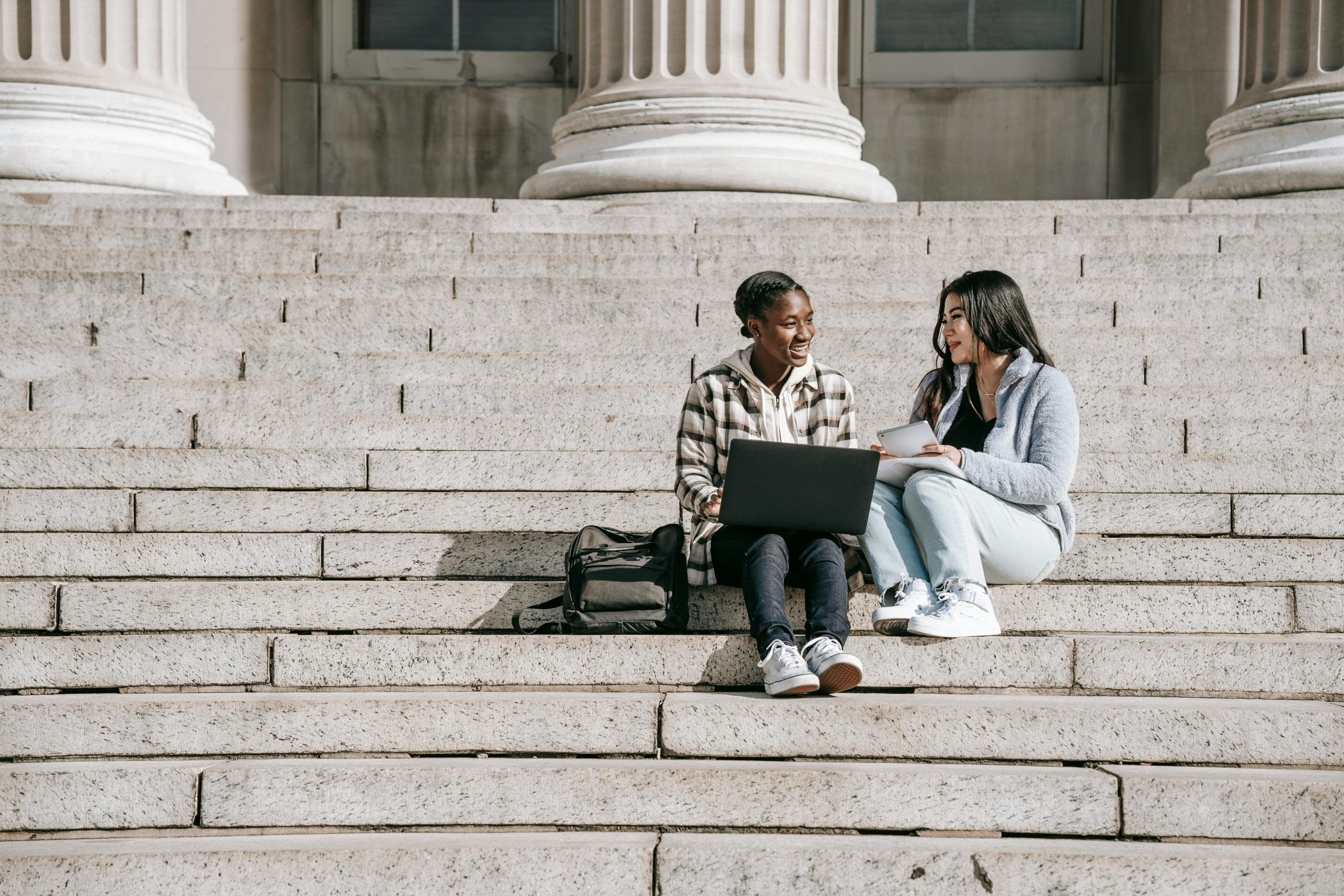
  • How To Prepare High Schoolers For Successful College Transitions

    How To Prepare High Schoolers For Successful College Transitions

    Making the transition from high school to college can be a daunting task for many students. The shift in environment, academics, and social life can leave even the most prepared high schoolers feeling overwhelmed. However, with the right preparation and guidance, this transition can be a smooth and successful one. In this article, we will explore the key factors that can help high schoolers effectively prepare for the transition to college and set them up for success. So, if you or someone you know is getting ready to make the leap to higher education, keep reading to find out how to make the most out of this exciting and challenging transition.

    Understanding the Differences Between High School and College

    The first step in preparing high schoolers for college is to understand and acknowledge the differences between the two. High school is a familiar and structured environment, where students have a set schedule and are guided by their teachers and parents. College, on the other hand, is a more independent and self-directed environment, where students have the freedom to choose their courses and manage their time.

    High schoolers need to be aware of these differences and understand that college requires more self-motivation, self-discipline, and time management skills. They should also know that college courses are generally more rigorous, with a heavier workload and higher expectations. Setting realistic expectations and understanding the differences can help students avoid being caught off guard and feeling overwhelmed.

    Encouraging Academic Readiness

    Choose Challenging Courses

    One of the best ways to prepare high schoolers for the academic challenges of college is to encourage them to take challenging courses in high school. This will not only help them develop the necessary skills and knowledge but also give them a taste of what to expect in college. High schoolers should take advantage of Advanced Placement (AP) classes, dual enrollment programs, and other challenging courses offered by their school.

    Develop Strong Study Habits

    Another crucial aspect of academic readiness is developing strong study habits. College courses require a significant amount of self-study and independent work, so it is essential for high schoolers to start developing these habits early on. Encourage your high schooler to create a study schedule, stick to deadlines, take effective notes, and seek help when needed. These skills will not only help them in college but also in any future academic or professional pursuits.

    Fostering Independence and Self-Advocacy

    Encourage Responsibility

    As mentioned earlier, college requires a significant amount of self-discipline and independence. High schoolers should start taking on more responsibilities and decision-making in their daily lives to prepare for this shift. Parents can start by giving their children more freedom to make choices and decisions, such as choosing their courses or managing their personal schedule. This will help them feel more confident and prepared to handle the independence that comes with college life.

    Teach Self-Advocacy Skills

    In college, students are responsible for their own academic success. This means that they need to voice their concerns, ask for help, and advocate for themselves if needed. Parents and educators can help high schoolers develop these skills by teaching them how to communicate effectively, seek help when needed, and stand up for themselves. This will not only prepare them for college but also for any future challenges they may face.

    Developing Social and Emotional Skills

    Encourage Extracurricular Activities

    Extracurricular activities are a great way for high schoolers to develop social and emotional skills. These activities provide opportunities for students to interact with others, develop teamwork skills, and discover new passions. They also help students to diversify their interests, which can come in handy when choosing a college or a major.

    Discuss Coping Strategies

    College can be a stressful and overwhelming time for many students. That’s why it is essential to discuss coping strategies with high schoolers before they make the transition. Parents and educators can help students identify their stress triggers and develop healthy coping mechanisms, such as exercise, meditation, or seeking support from friends and family. This will not only help students manage stress in college but also in their everyday lives.

    Preparing for the Practical Aspects of College Life

    Practice Financial Literacy

    College comes with a lot of expenses, from tuition fees to living expenses. Therefore, preparing high schoolers for the financial responsibilities of college is crucial. Encourage them to learn about budgeting, managing credit, and saving money. They can start by getting a part-time job in high school to earn some money and develop money management skills.

    Talk About College Resources

    Lastly, it is important to inform high schoolers about the various resources available to them in college. These resources can include academic support services, tutoring, career services, and mental health services. Knowing about these resources and how to access them can make the college transition more manageable and less overwhelming for students.

    Overall, preparing high schoolers for a successful college transition requires a combination of academic readiness, independence, and social and emotional skills. By understanding the differences between high school and college, fostering independence, developing life skills, and preparing for the practical aspects of college life, high schoolers can make a smooth transition to higher education and set themselves up for success. So, whether you are a parent, teacher, or high schooler yourself, make sure to start preparing early and make the most out of this exciting new chapter in life!


  • Essential Tips For Supporting Students With Learning Disabilities

    Essential Tips For Supporting Students With Learning Disabilities

    Students with learning disabilities face various challenges in the classroom, but with the right support and strategies, they can thrive academically and personally. According to the National Center for Learning Disabilities, about one in five students in the United States has a learning disability. This means that in a classroom of 20 students, 4 of them may have a learning disability. As educators, it is imperative to have a deep understanding of how to support these students and create an inclusive learning environment for them. In this article, we will discuss essential tips for supporting students with learning disabilities.

    Understanding Learning Disabilities

    Learning disabilities are neurological processing disorders that can impact a student’s reading, writing, math, or organizational skills. These challenges can significantly affect a student’s ability to learn, which can lead to difficulties in academic achievement and performance. It is important to note that learning disabilities are not a sign of low intelligence, as students with learning disabilities have average or even above-average intelligence. However, they may need different approaches to learning and support to overcome their challenges.

    Tip 1: Identify the Learning Disability

    The first step in supporting students with learning disabilities is to identify their specific challenges. This can be done through formal evaluations and assessments conducted by a qualified professional. These evaluations can determine the student’s areas of strength and weakness, providing insights into the best ways to support them in the classroom. Once the learning disability is identified, educators can tailor their teaching methods and learning materials to accommodate the student’s needs.

    Tip 2: Create a Supportive Classroom Environment

    Students with learning disabilities may struggle with organization, time management, and following directions. Educators can create a supportive learning environment by providing structure and consistency. Clear and concise instructions, as well as written or visual aids, can help students better understand and follow classroom expectations. It is also crucial to provide a quiet and distraction-free workspace for students who may struggle with attention difficulties.

    Tip 3: Adopt Differentiated Instruction

    Differentiated instruction is a teaching approach that caters to the diverse learning needs of students. This approach takes into consideration the different learning styles, strengths, and challenges of each student and adapts the teaching methods and materials accordingly. For students with learning disabilities, this can involve providing extra time, using assistive technology, or incorporating multisensory activities and materials in the lesson. By individualizing instruction, educators can support students with learning disabilities in achieving success in the classroom.

    Tip 4: Encourage Self-Advocacy

    Students with learning disabilities may feel self-conscious or frustrated about their challenges and may need support in advocating for themselves. Educators can help students build self-advocacy skills by providing them with opportunities to communicate their needs and preferences in the classroom. This can include encouraging students to ask for accommodations and modifications when needed and teaching them how to effectively communicate with their teachers about their learning needs. By fostering self-advocacy, students can become more confident and independent learners.

    Tip 5: Collaborate with Parents and Specialists

    Collaboration between educators, parents, and specialists is essential in supporting students with learning disabilities. Parents can provide valuable insights into their child’s challenges and strengths, while specialists such as occupational therapists, speech-language pathologists, and school psychologists can offer specific strategies and interventions. By working together, the team can create a comprehensive plan and support system for the student, ensuring their academic and personal success.

    Conclusion

    In conclusion, supporting students with learning disabilities requires a holistic and individualized approach. Educators must understand and accommodate the diverse learning needs of students and create a supportive learning environment. By implementing the tips discussed in this article and collaborating with parents and specialists, educators can provide students with the necessary tools and strategies to overcome their challenges and achieve their full potential.

  • Why Personalized Learning Plans Are Changing Student Outcomes Forever

    Why Personalized Learning Plans Are Changing Student Outcomes Forever

    Student outcomes have been a hot topic in the education world for decades. Teachers, administrators, and parents are constantly seeking ways to improve the academic achievement and overall success of their students. One approach that has been gaining momentum in recent years is the use of personalized learning plans. These individualized plans are tailored to each student’s unique needs and learning styles, and are proving to be a game-changer in the classroom. In this article, we will explore why personalized learning plans are changing student outcomes forever.

    The Flaw in Traditional Education

    Before we delve into the benefits of personalized learning plans, it’s important to understand the flaws of traditional education. In a traditional classroom, teachers are expected to teach a large group of students with varying abilities and learning styles. This one-size-fits-all approach often results in some students falling behind, while others become disengaged and unchallenged. This rigid structure makes it difficult for teachers to give individual attention and support to each student, leading to lower academic achievement and a lack of motivation.

    What are Personalized Learning Plans?

    Personalized learning plans are tailored education plans that focus on each student’s strengths, weaknesses, and learning styles. These plans are created with input from both the student and their teacher, making it a collaborative and personalized approach to learning. With personalized learning plans, students are given the opportunity to set their own goals, learn at their own pace, and receive targeted instruction and support.

    Individualized Instruction

    One of the key benefits of personalized learning plans is individualized instruction. Traditional classrooms have a fixed curriculum that is taught to all students regardless of their needs, abilities or interests. This can be frustrating for students who struggle to keep up or for those who are ready for more challenging material. Personalized learning plans allow for a customized curriculum that is tailored to each student’s specific needs and learning goals, ensuring that they are receiving the instruction and support they need to thrive academically.

    Increased Motivation and Engagement

    Personalized learning plans also have a huge impact on student motivation and engagement. When students are given the opportunity to take an active role in their learning by setting their own goals and working towards them, they become more invested in the learning process. With personalized learning plans, students are also given more control over how they learn, whether it’s through visual aids, hands-on activities, or group work. This leads to increased engagement and a deeper understanding of the material.

    Flexibility and Adaptability

    Another advantage of personalized learning plans is their flexibility and adaptability. Traditional classrooms follow a rigid schedule and timeline for learning, which can be challenging for students who may need more time or support to master certain concepts. With personalized learning plans, students have the freedom to learn at their own pace and can spend more time on areas that they find challenging. These plans also allow for quick adjustments and modifications to address any changes in a student’s needs or progress.

    The Impact on Student Outcomes

    So, how exactly are personalized learning plans changing student outcomes forever? The personalized approach to education has a significant impact on academic achievement, motivation, and overall success. Studies have shown that personalized learning plans can lead to higher grades, increased attendance, and improved attitudes towards learning. Students who are more engaged and motivated are more likely to excel academically and develop critical thinking and problem-solving skills that are essential for success in today’s world.

    Setting Students Up for Success

    Personalized learning plans also set students up for future success. By allowing students to take an active role in their education, they develop important skills such as self-awareness, self-direction, and self-advocacy. These skills are crucial for success in higher education and the workforce. In addition, personalized learning plans help students identify their strengths, weaknesses, and interests, allowing them to make more informed decisions about their future academic and career paths.

    In Conclusion

    In conclusion, personalized learning plans are revolutionizing student outcomes in a positive way. By addressing the flaws of traditional education and focusing on each student’s individual needs and learning styles, personalized learning plans provide a more effective and engaging learning experience. These plans are setting students up for success both academically and in their future endeavors. As the education system continues to evolve, it’s clear that personalized learning plans will play an important role in shaping the academic success and overall well-being of students for years to come.

  • Exploring The Future Of Online Higher Education Degrees Globally

    Exploring The Future Of Online Higher Education Degrees Globally

    In today’s fast-paced society, traditional higher education is no longer the sole option for individuals seeking to advance their careers through further education. With the advent of technology and the internet, online higher education degrees have become increasingly popular. They offer the convenience of self-paced learning, flexibility in terms of location and time, and often lower costs compared to traditional degrees. As the demand for online higher education continues to grow, many wonder what the future holds for these virtual degrees on a global scale. In this article, we will explore the future of online higher education degrees and the potential impact it could have on the global education landscape.

    The Current State of Online Higher Education Degrees

    The concept of online higher education has been around for decades, but it wasn’t until the early 21st century that it started gaining traction. Today, online degrees are offered by reputable universities and colleges worldwide, covering a wide range of subjects and disciplines. According to a report by the Babson Survey Research Group, around 6.9 million students in the US alone enrolled in at least one online course in 2018, a number that has been steadily increasing over the years.

    While there are various reasons for the growth of online higher education, one major factor is the advancement of technology. With the availability of high-speed internet and the development of learning management systems, virtual classrooms have become more interactive and engaging. This has made it possible for students to have a similar learning experience as their on-campus counterparts, if not better.

    The Advantages of Online Higher Education Degrees

    Flexibility and Accessibility

    One of the significant advantages of online higher education degrees is the flexibility they offer. Students can access course materials and lectures at their convenience, allowing them to learn at their own pace. They can also choose when and where to study, making it possible for those with busy schedules or commitments to advance their education without sacrificing their work or personal life.

    Moreover, online degrees have made education more accessible to individuals who live in remote or rural areas, where traditional universities may not be readily available. This accessibility has enabled people from diverse backgrounds and geographical locations to access quality education.

    Affordability

    Traditional higher education can be costly, with tuition fees, accommodation, and other associated expenses. Online degrees, on the other hand, are often more affordable, making them a more accessible option for many students. The absence of commuting costs, relocation expenses, and the ability to continue working while studying can significantly lower the overall cost of education.

    The Future of Online Higher Education Degrees

    The future looks bright for online higher education degrees, with a growing number of students choosing this mode of learning. However, along with its many benefits come challenges that need to be addressed to ensure its continued growth and success, especially on a global scale.

    Accreditation and Recognition

    One of the main concerns for students considering online degrees is the credibility and recognition of the qualification. With the rise of diploma mills and non-accredited institutions, it is essential for online universities to adhere to higher education standards and undergo accreditation processes. This will not only give confidence to potential students but also ensure that their degree holds value in the eyes of employers and other educational institutions.

    Technology Advancements

    As technology continues to advance, the potential for online learning also increases. Virtual and augmented reality, for example, could revolutionize online education by providing a more immersive learning experience. This technology, coupled with artificial intelligence, could also personalize the learning experience, catering to each student’s individual needs and abilities.

    Expanding Global Reach

    The growth of online higher education degrees has the potential to break down geographical barriers and connect students from different parts of the world. This could result in a more diverse and globalized learning experience, exposing students to different cultures, ideas, and perspectives.

    Conclusion

    Online higher education degrees have come a long way, and it is evident that they are here to stay. The future holds countless possibilities for this mode of learning, and it is exciting to see how it will continue to shape the global education landscape. As technology advances and challenges are addressed, online degrees will become an even more popular and accessible option for individuals seeking to further their education on a global scale.

  • Innovative Ways To Integrate Technology Into Primary Education

    Innovative Ways To Integrate Technology Into Primary Education

    In today’s fast-paced and technology-driven world, it’s essential for primary education to keep up with the latest advancements. Integrating technology into primary education not only makes learning more engaging and interactive, but it also prepares students for the increasingly digital future. However, simply incorporating technology into the classroom is not enough; it requires innovative and creative ways to truly enhance the learning experience. In this article, we will explore some of the most innovative ways to integrate technology into primary education.

    The Benefits of Technology Integration in Primary Education

    Before delving into the ways to integrate technology, let’s first understand the benefits it brings to primary education. Contrary to popular belief, technology does not replace traditional classroom learning but rather enhances it. By incorporating technology into the curriculum, students become more motivated, engaged, and curious learners. It also allows for personalized learning, where students can work at their own pace and focus on their individual needs.

    Moreover, technology allows for real-world learning experiences through simulations, virtual field trips, and online collaborations. It also promotes critical thinking, problem-solving, and creativity in students. With the increasing use of technology in various industries, integrating it into primary education ensures that students are well-equipped for their future careers.

    Innovative Ways to Integrate Technology into Primary Education

    1. Gamify Learning

    Gamification, which is the use of game elements in non-game contexts, has gained popularity in recent years. By incorporating gamification into learning, teachers can make lessons more enjoyable and engaging for students. It also encourages healthy competition among students, motivating them to learn and achieve better results. Some examples of gamification in education include educational games, quizzes, and interactive activities.

    2. Bring Virtual and Augmented Reality to the Classroom

    Virtual and augmented reality are exciting technologies that have immense potential in the education sector. With virtual reality, students can immerse themselves in different environments, such as historical events or scientific experiments, without leaving the classroom. Augmented reality, on the other hand, enhances the learning experience by overlaying digital content onto the real world. By bringing these technologies into the classroom, students can have a better understanding of complex concepts and retain information more effectively.

    3. Utilize Online Learning Platforms

    With the rise of e-learning, there is now a vast selection of online learning platforms available for primary education. These platforms offer interactive lessons, videos, quizzes, and other learning materials that teachers can use to supplement their lessons. They also allow for blended learning, where students can access and complete assignments online, providing a more flexible learning experience.

    4. Incorporate Coding and Robotics into the Curriculum

    In today’s digital age, learning to code has become an essential skill. By introducing coding and robotics into the curriculum, primary education can prepare students for the future job market. It also promotes logical thinking, problem-solving, and creativity in students. Many schools now have coding clubs or classes where students can learn coding languages and create their own projects, such as games or apps.

    5. Use Interactive Whiteboards and Projectors

    Interactive whiteboards and projectors are excellent tools for making lessons more interactive and engaging. With interactive whiteboards, teachers can display and manipulate digital content, such as text, images, and videos, using touch-screen technology. Projectors can also be used to display images, videos, presentations, and other digital materials, providing a multimedia learning experience for students.

    Conclusion

    Incorporating technology into primary education is more than just using computers or tablets in the classroom; it’s about creating an engaging and interactive learning experience for students. By using innovative methods like gamification, virtual and augmented reality, online learning platforms, coding, and interactive whiteboards, teachers can enhance the learning experience and better prepare students for the future. Technology is continuously evolving, and with it, the opportunities for innovation in primary education are endless.

  • Mastering The Art Of Effective Classroom Management Techniques

    Mastering The Art Of Effective Classroom Management Techniques

    Fostering a positive and productive learning environment is key for any successful classroom. However, as any educator knows, this can often be easier said than done. With varying personalities, behaviors, and abilities, managing a classroom can present a unique set of challenges. But fear not, with the right strategies and techniques, mastering the art of effective classroom management is well within your reach. In this article, we’ll explore some tried and true methods for creating a well-managed and engaging classroom that promotes student success. So let’s dive in and discover the keys to unlocking the full potential of your classroom management skills.

    Understanding Classroom Management

    Before we dive into specific techniques and strategies for mastering effective classroom management, it’s important to first understand what exactly classroom management is. In a nutshell, classroom management refers to the strategies and techniques used by educators to create an environment that promotes learning and positive student behavior. It encompasses everything from establishing rules and expectations to handling disruptions and encouraging student engagement.

    Effective classroom management is crucial for creating an environment that fosters academic and social-emotional growth. By establishing a well-managed classroom, students are more likely to feel safe, engaged, and motivated, leading to better academic outcomes and a positive learning experience for all.

    The Key Elements of Effective Classroom Management

    Now that we have a better understanding of what classroom management is, let’s explore some of the key elements that make it effective.

    Establishing Clear Expectations and Consistent Rules

    One of the most important aspects of effective classroom management is establishing clear expectations and consistent rules. This provides students with a sense of structure and helps to prevent confusion and chaos in the classroom. Be sure to clearly communicate your expectations and rules to your students and consistently reinforce them. This will help students understand what is expected of them and promote a sense of accountability.

    Building Positive Relationships

    Positive relationships are vital in any classroom, and they play a significant role in effective classroom management. When students feel respected, valued, and supported by their teacher, they are more likely to behave well and engage in learning. Take the time to get to know your students and make an effort to build positive relationships with them. This can be as simple as greeting students at the door each day, showing interest in their lives outside of school, and using positive reinforcement to recognize and praise their efforts and achievements.

    Creating a Supportive Learning Environment

    A well-managed classroom is also a supportive learning environment. This means providing students with the necessary resources, materials, and tools to thrive academically. It’s important to ensure that your classroom is organized and conducive to learning. This can include having designated areas for different activities, providing clear instructions and expectations for assignments, and fostering a culture of respect and collaboration among students.

    Effective Classroom Management Techniques

    Positive Reinforcement

    Using positive reinforcement is a powerful tool for promoting good behavior in the classroom. This involves recognizing and praising students when they make good choices or demonstrate positive behavior. It not only reinforces the desired behavior, but it also helps boost students’ self-confidence and motivation. Some examples of positive reinforcement include giving verbal praise, rewards such as stickers or tokens, and sending positive notes home to parents.

    Clear and Consistent Consequences

    In conjunction with positive reinforcement, it’s also necessary to have clear and consistent consequences for inappropriate behavior. This helps students understand that there are consequences for their actions and reinforces the expectations set for the classroom. Be sure to discuss consequences with your students and make sure they understand them. Also, strive to be fair and consistent in enforcing the consequences to avoid any confusion or resentment.

    Incorporating Technology

    In today’s digital age, incorporating technology into the classroom has become increasingly popular. And when used effectively, it can also be a useful tool for managing the classroom. From interactive learning games to online behavior management systems, technology can provide a fun and engaging way to promote positive behavior and manage the classroom. Just be sure to set clear guidelines and expectations for technology use in the classroom to avoid any distractions or misbehavior.

    In Conclusion

    Effective classroom management is a crucial component of creating a positive and productive learning environment. By understanding the key elements of classroom management and implementing effective techniques and strategies, you can successfully master the art of classroom management and create a space where students can thrive academically and socially. So take the time to reflect on your current practices and make adjustments as needed, and you’ll see the positive impact it can have on your classroom. With these tools in your teacher toolbox, you’re well on your way to becoming a classroom management pro!

  • Why Social Emotional Learning Matters For Student Success Now

    Why Social Emotional Learning Matters For Student Success Now

    Social emotional learning, or SEL, is a term that is becoming increasingly common in educational circles. It refers to a set of skills and competencies that help students to understand and manage their emotions, develop healthy relationships, and make responsible decisions. The concept of SEL is not new, but it has gained more attention in recent years due to the changing landscape of education. In a world that is constantly evolving and becoming more complex, social emotional skills are crucial for student success now and in the future. In this article, we will delve deeper into why social emotional learning matters for student success now.

    The Importance of Social Emotional Learning

    Developing Emotion Regulation and Management Skills

    One key aspect of social emotional learning is developing emotion regulation and management skills. This involves recognizing and understanding one’s own emotions, as well as learning how to manage them in a healthy and productive manner. This is important for students’ success, as emotions can greatly impact their academic performance and overall well-being.

    For example, students who struggle with regulating their emotions may have difficulty focusing in class, leading to poor academic performance. Additionally, students who lack emotional management skills may have a harder time coping with stress and anxiety, which can negatively affect their mental health. By developing these skills through social emotional learning, students can improve their ability to cope with and manage their emotions, leading to better academic success and overall well-being.

    Building Healthy Relationships

    Social emotional learning also focuses on developing healthy relationships. This includes learning how to communicate effectively, resolve conflicts, and show empathy towards others. These skills are not only important for students’ social lives, but also in the workplace and in their future endeavors.

    In today’s interconnected world, students need to be able to work well with others from diverse backgrounds. By learning social emotional skills, students can develop a deeper understanding and respect for others, leading to the ability to build healthy and positive relationships. This will not only contribute to their personal growth, but also prepare them for success in their future careers.

    Promoting Responsible Decision Making

    Social emotional learning also focuses on promoting responsible decision making. This involves teaching students how to think critically, make ethical decisions, and understand the consequences of their actions. The ability to make responsible decisions is crucial for success in both personal and professional life.

    By learning how to think critically and make ethical decisions, students can become more self-aware and responsible individuals. This will help them navigate difficult and complex situations in life, as well as contribute to a positive and productive society.

    Integrating SEL into Education

    Early Intervention

    One of the key advantages of implementing social emotional learning in education is that it can be introduced at a young age. By starting early, students can develop these skills from a young age, setting them up for success in the future. This is especially important in today’s fast-paced and high-stress society where students are facing more challenges than ever before.

    Connecting Classroom Learning to Real-World Application

    Social emotional learning also provides an opportunity for students to connect what they learn in the classroom to the real world. By applying social emotional skills to real-life situations, students can see the relevance and importance of these skills in their daily lives. This can further strengthen their understanding and development of these skills, leading to better success in academics and beyond.

    Creating a Positive School Culture

    The implementation of social emotional learning can also contribute to creating a positive school culture. By focusing on the well-being and success of students, schools can foster a safe and supportive environment where students feel valued and motivated to learn. This can contribute to a decrease in bullying, violence and other negative behaviors, leading to a healthier and more positive school climate.

    Conclusion

    In conclusion, social emotional learning matters for student success now more than ever. It not only helps students develop important skills for their personal and professional lives, but also contributes to creating a positive and productive society. By integrating social emotional learning into education, we can prepare students for the challenges of the future and equip them with the necessary skills for success. As educators, it is our responsibility to prioritize and promote social emotional learning for the betterment of our students and society as a whole.

  • Essential Benefits Of Project Based Learning In High School

    Essential Benefits Of Project Based Learning In High School

    Project Based Learning (PBL) is a student-centered approach to education that promotes engagement and collaboration through hands-on, real-world projects. As high school students prepare for life beyond graduation, PBL offers a unique and valuable learning experience that can prepare them for success in college and the workforce. In this article, we will explore the essential benefits of Project Based Learning in high school and why it should be an integral part of every student’s education.

    The Importance of Project Based Learning in High School

    As traditional education continues to shift towards more student-driven and project-based approaches, it is crucial for high schools to incorporate PBL into their curriculum. Here are some of the essential benefits that students can gain from Project Based Learning in high school.

    1. Develops Critical Thinking and Problem-Solving Skills

    One of the primary goals of PBL is to provide students with opportunities to think critically and creatively. By working on real-world projects, students are challenged to apply their knowledge and skills to solve complex problems. This process allows them to develop critical thinking and problem-solving skills that are vital for success in college and the workforce.

    2. Fosters Collaboration and Communication

    In PBL, students are required to work in groups, which encourages collaboration and communication. By learning how to work effectively with their peers, students develop essential teamwork skills that are crucial for success in any career. They also learn how to effectively communicate their ideas and work together towards a common goal, preparing them for future work environments.

    3. Increases Engagement and Motivation

    PBL offers a more engaging and personalized learning experience for students. By working on projects that align with their interests and passions, students are more motivated to participate and take ownership of their learning. This engagement leads to a deeper understanding of the subject matter and higher levels of achievement.

    4. Authentic Learning Opportunities

    One of the key characteristics of PBL is that it provides students with authentic and meaningful learning opportunities. By working on projects that simulate real-world situations, students can apply their learning in a practical setting. This approach not only makes learning more relevant but also prepares students for the challenges and demands of life after high school.

    5. Enhances Creativity and Innovation

    Projects in PBL often require students to think outside the box and come up with creative solutions. This approach fosters innovation and encourages students to explore new ideas and approaches. By encouraging students to take risks and be innovative, PBL prepares them to become future leaders and problem-solvers.

    6. Provides a Well-Rounded Education

    In addition to academic knowledge, PBL also focuses on developing essential life skills such as time management, organization, and self-directed learning. These skills are crucial for students to succeed in college and beyond. By combining academic learning with real-world application and skill development, PBL offers a well-rounded education for high school students.

    Conclusion

    As the world continues to evolve, the skills and competencies required for success are also changing. Project Based Learning provides a unique and valuable approach to education that can prepare high school students for the challenges and demands of the 21st century. By developing critical thinking, collaboration, and creativity, PBL offers essential benefits that every high school student should have access to. It is time for schools to embrace PBL and provide their students with a well-rounded and meaningful education.

  • How To Foster Critical Thinking Skills In Young Learners

    How To Foster Critical Thinking Skills In Young Learners

    As educators, we strive to equip our students with the necessary skills to succeed in their academic and personal lives. One of the most important skills that we can foster in young learners is critical thinking. Being able to analyze, evaluate, and interpret information is crucial in an ever-changing world. In this article, we will explore various strategies on how to foster critical thinking skills in young learners, preparing them for their future endeavors.

    The Importance of Critical Thinking

    Before we dive into the methods of fostering critical thinking skills, it is important to understand why it is such a vital attribute for young learners to possess. Critical thinking enables students to think independently, make sound judgments, and solve complex problems. It encourages them to question information and evidence, rather than accepting it blindly. In a world where information is readily available and constantly evolving, critical thinking allows students to navigate through the abundance of information and form their own opinions.

    Encourage Curiosity

    Young learners are naturally inquisitive, and it is important to nurture this curiosity. Encourage students to ask questions and investigate further. Provide them with opportunities to explore and discover, rather than just presenting them with all the facts. This not only fosters critical thinking but also allows students to take ownership of their learning.

    Engage in Discussions

    One of the most effective ways to promote critical thinking is through discussions. Encourage students to express their opinions and support them with evidence and reasoning. By participating in discussions, students learn to listen to others, consider different perspectives, and communicate their thoughts effectively. This helps them develop their critical thinking skills and also builds their confidence in expressing their ideas.

    Introduce Diverse Perspectives

    Exposing students to diverse perspectives and viewpoints is crucial in fostering critical thinking. This broadens their understanding of a topic and allows them to analyze information from different angles. It also helps them to see that there can be more than one right answer or solution, promoting open-mindedness and tolerance.

    Teach Problem-Solving Strategies

    Problem-solving is a key component of critical thinking. Teaching students different problem-solving strategies like brainstorming, logic trees, and cause and effect analysis can enhance their critical thinking skills. Give them real-life scenarios and ask them to come up with solutions, encouraging them to think outside the box. This will not only improve their critical thinking abilities but also prepare them for real-world situations.

    Provide Opportunities for Reflection

    Reflection is essential for critical thinking. It allows students to evaluate their thinking process and consider ways to improve it. Encourage them to reflect on their learning, ask themselves questions such as “How could I have approached this differently?” or “What can I learn from this experience?”. Reflection helps students become aware of their own thinking and facilitates their growth as critical thinkers.

    Use Real-World Examples

    Connecting classroom learning to the real world is important in promoting critical thinking skills. Use real-world examples and current events to challenge students to think critically. This not only helps them to apply their learning but also makes it more relevant and engaging. It also allows them to see the relevance and importance of critical thinking in their daily lives.

    Incorporate Technology

    In today’s digital age, incorporating technology in the classroom can be a powerful tool in fostering critical thinking skills. With the vast amount of information available online, students need to learn how to filter and analyze information critically. Use online activities, games, and simulations that require students to think critically to solve problems. This not only makes learning more interactive but also prepares students for the digital world.

    Final Thoughts

    In conclusion, fostering critical thinking skills in young learners is crucial in preparing them for success in their academic and personal lives. By implementing the strategies mentioned above, we can provide our students with the tools to think critically, solve problems, and make informed decisions. As educators, it is our responsibility to equip our students with these skills, ensuring they are well-prepared for their future endeavors.

  • Revolutionary Teaching Strategies For The Modern Digital Classroom

    Revolutionary Teaching Strategies For The Modern Digital Classroom

    Welcome to the modern era, where technology is constantly evolving and reshaping the way we communicate, work, and learn. As educators, it is essential to adapt and evolve with the ever-changing digital landscape to keep up with our tech-savvy students. The traditional classroom setting is slowly becoming a thing of the past, and a new era of teaching has emerged – the digital classroom. This means revolutionary teaching strategies must be implemented to effectively engage and educate students in this digital age. In this article, we will explore some of the best revolutionary teaching strategies for the modern digital classroom.

    Utilize multimedia for interactive learning

    Gone are the days of relying solely on textbooks and lectures for teaching. With the rise of technology, educators now have access to various multimedia tools such as videos, animations, and virtual reality simulations that can enhance the learning experience. These tools provide a more interactive and engaging learning environment, making it easier for students to grasp complex concepts. Moreover, it caters to different learning styles, making it easier for teachers to reach and teach all students effectively.

    Encourage collaboration and communication

    In a traditional classroom setting, students are limited to interacting with their classmates and teachers physically. However, in a digital classroom, students have the opportunity to connect and collaborate with peers from different parts of the world through virtual platforms. This expands their knowledge and perspective while fostering communication skills. Teachers can also use communication tools such as discussion boards, chats, and video conferencing to facilitate discussions and debates, promoting critical thinking and active learning.

    Gamify learning for increased engagement

    Incorporating elements of gamification in the classroom can significantly increase student engagement and motivation. Gamifying the learning experience through educational games, challenges, and competitions makes the learning process more enjoyable and entertaining for students. This also encourages healthy competition among students, encouraging them to work harder and learn more effectively. Moreover, gamification allows for instant feedback and rewards, promoting a growth mindset and helping students develop a love for learning.

    Personalize learning with adaptive technology

    Every student has different learning needs and abilities. The use of adaptive technology can help personalize the learning experience, catering to each student’s unique needs. Adaptive technology uses artificial intelligence to analyze students’ learning patterns and adapt the instructional material accordingly. This ensures that each student receives personalized learning experiences, leading to better learning outcomes. It also allows teachers to track students’ progress and provide targeted interventions, promoting academic growth.

    Stay connected through learning management systems

    Learning management systems (LMS) have become an essential tool for educators in the digital classroom. LMS platforms provide a centralized location for teachers to organize course materials, assignments, and assessments. It also allows for easy communication and collaboration between teachers and students. Students can access course materials, submit assignments, and receive feedback through the LMS. This not only eliminates the need for physical copies but also promotes organization and efficiency in managing the class.

    Incorporate real-world experiences through virtual field trips

    The digital classroom eliminates the limitation of physical boundaries, allowing educators to take their students on virtual field trips to different parts of the world. Virtual field trips provide a unique opportunity for students to explore different cultures, environments, and historical sites without leaving the classroom. This makes learning more engaging and memorable, bringing real-world experiences into the digital classroom. Teachers can also use virtual field trips to spark discussions and research projects, promoting deeper learning.

    In conclusion, the digital age offers endless opportunities for educators to create more engaging, personalized, and effective learning experiences for students. By incorporating these revolutionary teaching strategies in the modern digital classroom, we can better prepare our students for the ever-changing world ahead.

  • The Future Of Work Requires A Total Education Overhaul

    The Future Of Work Requires A Total Education Overhaul

    The future of work is rapidly changing, and it’s becoming increasingly clear that traditional education isn’t enough to keep up. With advancements in technology, shifts in the job market, and the rise of remote work, the way we learn and prepare for our careers needs to evolve. It’s time for a total education overhaul.

    The Current State of Education

    In the past, a four-year college degree was seen as the golden ticket to a successful career. However, as the job market becomes more competitive and the cost of education continues to rise, many are questioning the value of a traditional degree. In fact, a recent study found that over half of college graduates are in jobs that don’t require a degree, and many are struggling to find employment in their field of study.

    In addition, traditional education often focuses on theory rather than practical skills, leaving graduates unprepared for the real-world challenges of their chosen career. This is especially true in fast-paced industries like technology, where skills can quickly become outdated.

    The Impact on the Future of Work

    As we enter the era of artificial intelligence, automation, and advanced technology, the job market is rapidly changing. Many jobs that exist today may no longer be relevant in the near future, and new, specialized roles are emerging. This means that the skills and knowledge we need to succeed in the workplace are constantly evolving.

    Furthermore, the rise of remote work and the gig economy has blurred the lines between traditional employment and freelance work. This means that individuals need to be adaptable and equipped with a diverse set of skills to thrive in this new landscape.

    The Importance of Lifelong Learning

    With the constant changes in technology and the job market, the need for continuous learning has become more crucial than ever. Instead of relying on a single educational experience, individuals must embrace the concept of lifelong learning. This means continuously seeking new knowledge and acquiring new skills throughout their career.

    Lifelong learning not only helps individuals stay relevant in their field but also opens up new opportunities for advancement and career growth. It also allows individuals to pivot and adapt to new industries and roles as they emerge.

    The Role of Technology in Education

    Technology has already had a significant impact on education, from online learning platforms to virtual reality in the classroom. However, the future of education will see an even greater integration of technology and personalized learning experiences.

    With advancements in artificial intelligence and machine learning, education can become more tailored to individual needs and abilities. This will allow students to progress at their own pace and focus on the skills they need to succeed. Additionally, technology can help bridge the gap between theory and practical skills by providing hands-on learning experiences.

    The Future of Work Requires a Total Education Overhaul

    The traditional education system was designed for a time when jobs were static and lifelong careers were the norm. However, the future of work requires individuals to be adaptable, constantly learning, and equipped with a diverse set of skills. This calls for a total education overhaul.

    Education needs to be more flexible, accessible, and personalized. It needs to provide practical skills and real-world experience in addition to theoretical knowledge. This can be achieved through a combination of traditional classroom learning, online courses, and hands-on experiences using technology.

    The Benefits of a Total Education Overhaul

    If we want to prepare the next generation for the future of work, we need to overhaul the education system. This will not only benefit individuals by equipping them with the necessary skills to succeed, but it will also benefit society as a whole. With a highly skilled and adaptable workforce, we can drive innovation and economic growth.

    In conclusion, the future of work requires a total education overhaul. Traditional education is no longer enough to prepare individuals for the fast-paced and ever-changing job market. By embracing lifelong learning, integrating technology, and creating a more tailored and practical education experience, we can ensure that individuals are equipped to succeed in the future of work.

  • Why Soft Skills Should Be Graded Alongside Academic Subjects

    Why Soft Skills Should Be Graded Alongside Academic Subjects

    When it comes to education, the traditional focus has always been on academic subjects such as math, science, and language arts. These subjects are considered the foundation for a successful career and are typically given the most weight in the grading system. However, there is a growing movement towards recognizing the importance of soft skills, such as communication, teamwork, and critical thinking. These skills are essential in the modern workforce and are often the key differentiators between equally qualified candidates. In this article, we will explore why soft skills should be graded alongside academic subjects and how this shift can benefit students, educators, and employers.

    The Importance of Soft Skills in Today’s Workforce

    As technology continues to advance and globalization becomes the norm, employers are placing more emphasis on soft skills when choosing potential employees. According to a survey by LinkedIn, 57% of leaders say soft skills are more important than hard skills when hiring. Soft skills are crucial for employees to excel in the workplace, as they directly impact their ability to work well with others, adapt to changing environments, and solve complex problems. In fact, studies have shown that employers value soft skills even more in the long term, as they contribute to employee retention, career advancement, and overall job satisfaction.

    The Limitations of the Traditional Grading System

    The current grading system, which heavily weighs academic subjects, fails to accurately reflect a student’s overall abilities. While grades are meant to represent a student’s mastery of a particular subject, they do not take into account the skills that are equally important in the workplace. This can create a gap between the skills acquired in the classroom and those required in the real world, leaving graduates unprepared for the challenges of the modern workforce. Additionally, grading solely based on academic subjects can be demotivating for students who excel in soft skills, as they are not given the same recognition as their peers who excel in traditional subjects.

    The Benefits of Grading Soft Skills

    By incorporating soft skills into the grading system, students are given the opportunity to develop and improve these crucial abilities. This not only prepares them for success in the workplace but also allows for a more well-rounded education. By recognizing and grading soft skills, students are motivated to acquire these skills and are given the chance to showcase their strengths. This can also help educators tailor their teaching methods to include more soft skill development, ensuring that students are equipped with the necessary skills to thrive in their future careers.

    Improved Career Outcomes

    Grading soft skills can also have a positive impact on students’ career outcomes. Many employers now use applicant tracking systems (ATS) when reviewing resumes, which scan for specific keywords and phrases. By grading and including soft skills on report cards and transcripts, students are able to showcase these skills and stand out to potential employers. This puts them at an advantage when competing for job opportunities and can lead to better career prospects.

    A More Holistic Approach to Education

    Incorporating soft skills into the grading system encourages a more holistic approach to education. It recognizes that success in the modern world is not solely based on academic knowledge, but also on the ability to effectively communicate, collaborate and problem-solve. This shift in mindset can lead to a more well-rounded and adaptable workforce, creating a positive impact on society as a whole.

    Conclusion

    In conclusion, the current grading system fails to accurately represent a student’s overall abilities and can hinder their success in the workforce. By including soft skills in the grading process, students are given the opportunity to develop and showcase these crucial abilities, leading to improved career outcomes and a more well-rounded education. This shift towards recognizing the importance of soft skills in education is crucial in preparing students for the challenges of the modern workforce and setting them up for success in their future careers.

  • The Growing Importance Of Data Privacy In Educational Technology

    The Growing Importance Of Data Privacy In Educational Technology

    In today’s digital age, educational technology has become a vital tool in modern education. From online learning platforms to personalized learning tools, technology has revolutionized the way students learn and interact with course materials. However, with this increased reliance on technology, there is also a growing concern for data privacy. As more and more student information is being collected, stored, and accessed through educational technology, it’s crucial for schools and educators to prioritize data security and safeguard student privacy. In this article, we will explore the growing importance of data privacy in educational technology and why it’s essential for schools to take proactive measures to protect their students’ personal information.

    The Rise of Educational Technology

    Over the past decade, educational technology has seen a significant surge in usage. According to a report by The National Center for Education Statistics, as of 2019, 69% of public schools in the United States have high-speed internet access in every classroom, and 94% of public schools have access to the internet for instructional purposes. These numbers show the increasing reliance on technology in classrooms.

    The integration of educational technology has brought numerous benefits to the education system. It has allowed for more personalized learning, better communication between teachers and students, and has made learning more engaging and interactive. However, with this increased reliance on technology, there has also been a rise in the collection and storage of student data.

    The Importance of Data Privacy in Educational Technology

    Data privacy refers to the protection of sensitive information from unauthorized access or disclosure. In the education sector, student data privacy is a critical concern that requires careful attention. Student’s personal information, such as their names, addresses, and academic records, are collected and stored by educational institutions. However, with the rise of educational technology, more student data, including their online activity and personal information, is being collected, creating more opportunities for data breaches and cyber-attacks.

    In recent years, there have been several high-profile cases of data breaches in educational institutions, exposing the sensitive information of millions of students. In 2018, the personal information of over 500,000 students and staff was exposed in a data breach at a major university in the United States. This incident highlights the vulnerability of student data and the potential consequences of not prioritizing data privacy.

    Protecting Student Data Privacy

    With the growing importance of data privacy in educational technology, it’s crucial for schools and educators to take proactive measures to protect student data. Here are some steps that schools can take to safeguard their students’ personal information:

    1. Establish Data Privacy Policies

    The first step in protecting student data is to establish data privacy policies and procedures. These policies should outline how student data will be collected, stored, and used, as well as the measures in place to protect this information. Schools should also clearly communicate these policies to all stakeholders, including students, faculty, and parents.

    2. Train Staff and Educators

    It’s essential for all staff and educators to be trained on data privacy best practices. They should be aware of the sensitivity of student data and understand the importance of protecting it. Training should also cover how to handle and store student data securely, as well as what to do in case of a data breach.

    3. Implement Encryption and Security Measures

    Encryption is a crucial tool in protecting sensitive information. Schools should ensure that all student data is encrypted, both when stored and when transmitted. Additionally, implementing security measures, such as firewalls and anti-virus software, can help prevent cyber-attacks and data breaches.

    4. Regularly Update Software and Systems

    Outdated software and systems can leave student data vulnerable to cyber-attacks. It’s important for schools to regularly update their software and systems to ensure that they have the latest security patches and protections in place.

    The Bottom Line

    Data privacy in educational technology is a critical concern that requires immediate attention. With the growing reliance on technology in the education system, it’s crucial for schools to prioritize the protection of student data. By implementing data privacy policies, providing training, and implementing security measures, schools can ensure that their students’ personal information remains secure. As technology continues to evolve, it’s essential for schools to stay proactive and adapt their data privacy strategies to keep up with the ever-changing landscape of educational technology.

  • The Future Of Work Requires A Total Education Overhaul

    The Future Of Work Requires A Total Education Overhaul

    In today’s rapidly evolving world, the future of work is constantly changing. With advancements in technology, automation, and globalization, traditional jobs and careers are becoming obsolete while new industries and opportunities emerge. As a result, the concept of education and learning is also shifting. The traditional approach of obtaining a degree and entering into a specific career path is no longer sufficient. The future of work requires a total education overhaul, where individuals must continuously learn and adapt to stay relevant in the job market.

    The Shift in Job Market Demands

    The job market is becoming more competitive and demanding, with employers seeking candidates with a diverse range of skills and knowledge. The traditional model of acquiring a degree in a specialized field may no longer meet the needs of employers. Technological advancements and automation are eliminating certain jobs while creating a demand for new skills. For instance, a study by the World Economic Forum predicts that by 2022, over 40% of the surveyed companies plan to reduce their workforce due to technology integration and automation.

    This shift in job market demands is further compounded by globalization. Companies are now operating on a global scale and require employees who can work with people from different cultures and backgrounds. Additionally, with remote working becoming the new norm, individuals must possess the skills to communicate effectively in a virtual environment. All these changes highlight the need for a total education overhaul to prepare individuals for the future of work.

    The Role of Technology in Education

    The emergence of technology has transformed the way we learn and access information. With digital tools and platforms, education has become more accessible, interactive, and flexible. Individuals no longer need to limit themselves to traditional classroom learning. The future of education lies in a combination of online and offline learning, creating a more personalized and efficient learning experience.

    Furthermore, technology provides opportunities for individuals to continuously upgrade their skills and knowledge. Online courses, certifications, and micro-credentials allow individuals to stay relevant in their fields and adapt to the changing job market demands. This flexibility and accessibility of education through technology are crucial for the future of work.

    Soft Skills are in Demand

    In addition to technical skills, employers now place a high value on soft skills. These include critical thinking, problem-solving, communication, and adaptability. A study by LinkedIn found that among the top 10 skills most in-demand by employers, eight were soft skills. These skills are essential for individuals to succeed in the current job market and will only become more critical in the future.

    Traditional education often focuses solely on technical skills, neglecting the development of soft skills. The future of education must incorporate opportunities for individuals to develop these crucial skills. This can be achieved through various means, such as collaborative projects, internships, and volunteering, which allow individuals to apply their skills in real-world settings.

    The Need for Lifelong Learning

    The future of work requires individuals to be adaptable and continuously learn throughout their careers. The traditional model of education, where individuals acquire a degree and enter into a specific career, is becoming obsolete. According to a report by the McKinsey Global Institute, up to 375 million workers globally may need to switch occupational categories and learn new skills by 2030 due to automation and technological advancements.

    Lifelong learning is the key to staying relevant and competitive in the job market. This involves continuously upgrading skills, knowledge, and adapting to new technologies and industries. With the rapid pace of change in the future of work, individuals must be committed to ongoing learning and personal development.

    In Conclusion

    The future of work is dynamic and constantly evolving. To succeed in this fast-changing landscape, individuals must be prepared with a diverse set of skills and the ability to adapt. The traditional education system is no longer sufficient in meeting the demands of the job market. A total education overhaul is necessary, with a focus on technology, soft skills, and lifelong learning. By embracing this new approach to education, individuals will be better equipped to thrive in the future of work.

  • Why Soft Skills Should Be Graded Alongside Academic Subjects

    Why Soft Skills Should Be Graded Alongside Academic Subjects

    In today’s education system, the focus is often placed solely on academic subjects such as math, science, and literature. These subjects are important for students to learn, but what about the skills that are essential for success in the real world? Soft skills, also known as interpersonal skills or people skills, are just as crucial as academic subjects and should be graded alongside them. In this article, we will discuss why soft skills should be graded alongside academic subjects and how it can benefit students in the long run.

    What are Soft Skills?

    Before we dive into the importance of grading soft skills, let’s first define what they are. Soft skills are a set of personal attributes that enable an individual to interact effectively and harmoniously with others. These skills include communication, problem-solving, teamwork, time management, adaptability, and many more. Unlike hard skills, which are specific technical abilities, soft skills are transferable across various fields and industries.

    Soft Skills are Essential for Success

    In today’s highly competitive job market, having strong soft skills is essential for success. Employers are not only looking for candidates with a strong academic background but also individuals who possess the necessary soft skills to work effectively in a team and communicate with clients and colleagues. In fact, a study by LinkedIn showed that 57% of leaders say soft skills are more important than hard skills when it comes to job performance.

    Soft skills also play a crucial role in career advancement. According to a survey by Upwork, 97% of hiring managers say soft skills are important when evaluating job candidates for promotion. This highlights the fact that soft skills are not just relevant for entry-level positions, but they continue to be valuable as individuals progress in their careers.

    Improved Learning Experience

    Grading soft skills alongside academic subjects can lead to an improved learning experience for students. By incorporating soft skills into their grading system, teachers can encourage students to develop and improve these skills. This will not only benefit students in their academic pursuits but also in their personal and professional lives.

    Furthermore, focusing solely on academic subjects can create a one-dimensional learning experience for students. By incorporating soft skills, students can develop a well-rounded skill set that will prepare them for the future. This will also allow for a more personalized learning experience as students can excel in different areas, not just academic subjects.

    Prepares Students for the Real World

    Grading soft skills will better prepare students for the real world. In today’s constantly evolving job market, employers are looking for candidates who not only have the technical skills but also the soft skills to thrive in a fast-paced and diverse workforce. By grading soft skills, students will learn the importance of these skills and how to improve them, giving them an advantage when entering the job market.

    Moreover, in a globalized world, soft skills are crucial for individuals to interact and collaborate with people from different backgrounds and cultures. By incorporating soft skills into grading, students will learn how to effectively communicate, work in a team, and adapt to new situations, preparing them for a diverse and interconnected workplace.

    Final Thoughts

    Soft skills are just as important as academic subjects and should be graded alongside them. By incorporating soft skills into grading, students will not only excel academically but also develop crucial skills for success in the real world. It is essential for the education system to recognize and value the importance of soft skills and to encourage students to develop and improve them. Ultimately, grading soft skills will lead to a more well-rounded and successful future workforce.

    So, the next time you hear someone say that soft skills are not important, remember the benefits of grading them alongside academic subjects. Soft skills may not have a numerical grade, but they are undoubtedly invaluable in today’s society.

  • The Growing Importance Of Data Privacy In Educational Technology

    The Growing Importance Of Data Privacy In Educational Technology

    In today’s digital age, technology has become an essential tool in the education sector. From interactive learning platforms to online assessment tools, technology has revolutionized the way we teach and learn. However, with the increasing use of educational technology, there is a growing concern about data privacy. As the amount of personal data collected by educational technology companies continues to increase, it is crucial to understand and address the importance of data privacy in educational technology.

    The Evolution of Educational Technology

    The use of technology in education is not a new concept. It has been around since the 1920s, when schools began using radio and television as teaching tools. However, with the development of the internet and other digital technologies, educational technology has advanced significantly. Today, almost every aspect of education, from lesson planning to student assessments, relies on technology.

    The Role of Data in Educational Technology

    With the widespread use of technology in education, there is an incredible amount of data being collected. Every time a student uses an online learning platform, takes an online assessment, or even uses a school-issued device, their personal data is being collected. This data includes personal information such as name, age, and address, as well as academic information such as grades and test scores.

    While this data can be valuable in assessing students’ academic progress and improving learning outcomes, it also poses a significant threat to their privacy.

    Understanding Data Privacy

    Data privacy refers to the protection of an individual’s personal information from unauthorized access, use, or disclosure. In the context of educational technology, data privacy involves safeguarding students’ personal data collected by schools and educational technology companies.

    Given that most students are minors, their personal data is highly sensitive and must be handled with utmost care. It is the responsibility of educational technology companies and schools to ensure that this data is protected and not misused.

    Why Data Privacy is Important in Educational Technology

    The growing importance of data privacy in educational technology cannot be ignored. Here are some compelling reasons why data privacy should be a top priority in the education sector:

    Protecting Students’ Personal Information

    Personal data such as name, age, and address can be used to identify an individual. In the wrong hands, this information can lead to identity theft and other forms of cybercrime. With the increasing number of data breaches in recent years, it is crucial to protect students’ personal information.

    Preventing Data Misuse

    Educational technology companies collect a vast amount of data from students. This data is often used for targeted advertising or sold to third-party companies. Without strict data privacy regulations, this data can be misused, leading to privacy violations and other unethical practices.

    Promoting Trust and Transparency

    By prioritizing data privacy, educational technology companies and schools can build trust with their users. When students and parents feel confident that their personal data is being protected, they are more likely to engage with educational technology platforms. This trust can also lead to more transparency in the handling of personal data.

    The Future of Data Privacy in Educational Technology

    As educational technology continues to evolve, data privacy will become an increasingly important issue. It is essential for educational institutions to have clear policies and procedures in place to safeguard students’ personal data. This may include obtaining parental consent before collecting data, implementing strong security measures, and regularly reviewing and updating privacy policies.

    In addition to schools and educational technology companies, it is also vital for government bodies to establish strict data privacy regulations in the education sector. These regulations should be regularly monitored and enforced to ensure that students’ personal data is adequately protected.

    Conclusion

    Educational technology has undoubtedly transformed the education sector, making learning more engaging and accessible. However, with this technological advancement comes the responsibility to protect students’ personal data. By understanding the importance of data privacy in educational technology and taking necessary precautions, we can ensure that this valuable tool is used ethically and responsibly for the benefit of students.

  • How To Design Assessments That Truly Reflect Student Knowledge

    How To Design Assessments That Truly Reflect Student Knowledge

    The process of designing assessments that truly reflect student knowledge can be a challenging task for educators. With an overload of standardized tests and a focus on grades, it can be easy to lose sight of the main purpose of assessments – to accurately measure and evaluate students’ understanding and mastery of a subject. However, with intentional planning and thoughtful consideration of various factors, it is possible to create assessments that effectively assess student knowledge and provide valuable insights for both students and teachers.

    The Importance of Assessment Design

    Assessments play a crucial role in the learning process as they provide a snapshot of students’ understanding, skills, and abilities at a specific point in time. This information is essential for both students, to help them identify areas of strength and weakness, and for teachers, to gauge the effectiveness of their instructional strategies and adjust accordingly. Therefore, the design of assessments should not be taken lightly, as it directly impacts the overall educational experience for students.

    Understand the Purpose and Learning Objectives

    Before delving into the design of assessments, it is crucial to have a clear understanding of the purpose and learning objectives that the assessments are meant to measure. This will help guide the selection of appropriate assessment types and ensure that the assessments align with the intended learning outcomes. For instance, if the objective is to assess students’ understanding of a concept, multiple-choice questions might not be the most effective choice, as they mainly test recall rather than deeper understanding.

    Variety is Key

    When creating assessments, it is essential to keep in mind that students learn and demonstrate understanding in different ways. Therefore, incorporating a variety of assessment types and formats is crucial to get a more accurate picture of student knowledge. This could include written assessments, oral presentations, projects, and performance-based assessments, among others. Not only does variety cater to different learning styles, but it also provides students with the opportunity to showcase their strengths and areas of interest.

    Focus on Critical Thinking

    In today’s world, simply memorizing facts and regurgitating them is no longer enough. Employers are looking for individuals who can think critically and creatively, solve problems, and communicate effectively. Therefore, assessments should shift towards assessing these vital skills, rather than just rote memorization. This could involve creating scenarios that require students to apply their knowledge to real-life situations or present arguments and defend them using evidence.

    Balance Content Coverage

    While it is essential to assess students’ understanding of the entire curriculum, it is also crucial to strike a balance in the content coverage of assessments. Assessments that are too narrow in focus might not provide an accurate picture of students’ overall understanding, while assessments that are too broad might not allow for a thorough evaluation of each topic. Finding a balance between breadth and depth is vital to ensure an accurate representation of student knowledge.

    Incorporating Technology

    In this digital age, incorporating technology into assessment design can have numerous benefits. Technology-based assessments can be more engaging and interactive, providing a more accurate representation of students’ understanding. It also allows for immediate feedback, which can result in more targeted and effective instruction. Additionally, technology can also aid in automating grading, freeing up valuable time for teachers to focus on other aspects of their teaching.

    Empower Students in the Assessment Process

    Lastly, involving students in the assessment process is a crucial element in designing assessments that reflect student knowledge. Students are the ones being evaluated, and therefore, they should have a say in how they are assessed. This could involve seeking their input on the types of assessments they prefer, allowing them to self-assess, or providing opportunities for reflection and feedback. Empowering students in the assessment process can also increase their motivation and engagement in their own learning.

    In conclusion, designing assessments that truly reflect student knowledge requires intentional planning, a clear understanding of the purpose and learning objectives, a variety of assessment types, a focus on critical thinking, a balance in content coverage, and the incorporation of technology. By involving students in the process and catering to their individual needs and learning styles, educators can create assessments that effectively assess their students’ understanding and provide valuable insights for continued growth and improvement.

  • The Role Of Extracurricular Activities In Holistic Student Growth

    The Role Of Extracurricular Activities In Holistic Student Growth

    As education becomes an increasingly competitive field, schools and parents alike are always looking for ways to ensure that students receive a well-rounded education. But what does it mean to have a holistic education? And how can extracurricular activities play a role in achieving this? In this article, we will explore the important role that extracurricular activities play in the holistic growth of students and how they contribute to creating well-rounded individuals. So, buckle up and join us on this journey as we delve deeper into the world of extracurricular activities and their impact on a student’s overall development.

    The Importance of Holistic Education

    Before we dive into the role of extracurricular activities, it’s essential to understand what we mean by holistic education. In simple terms, it refers to an all-encompassing approach to learning that goes beyond just academic excellence. It focuses on nurturing the entire individual, including their physical, social, emotional, and intellectual development. A holistic education aims to equip students with the skills, knowledge, and values necessary to navigate their lives successfully and contribute positively to society.

    The Benefits of Extracurricular Activities

    Extracurricular activities are non-academic activities that complement a student’s formal education. These activities can range from sports, music, drama, debate, community service, to many more. They offer students a platform to explore their interests beyond academic subjects and develop various skills that are crucial to their holistic growth. Here are some of the benefits of extracurricular activities:

    1. Develops Time Management and Organizational Skills

    Participating in extracurricular activities requires students to juggle multiple responsibilities, such as attending practice sessions, rehearsals, or meetings, while also keeping up with their academic workload. This enables them to learn time management and organizational skills that will be beneficial throughout their lives.

    2. Enhances Social Skills

    Extracurricular activities offer students the opportunity to interact with like-minded individuals outside of the classroom setting. This helps them develop effective communication, teamwork, and leadership skills, necessary for success in the future.

    3. Provides a Creative Outlet

    By participating in extracurricular activities, students can tap into their creativity and explore their passions. It gives students the freedom to express themselves in a way that may not be possible in a traditional classroom setting.

    4. Builds Character

    Extracurricular activities also help students develop essential life skills such as perseverance, resilience, and determination. These qualities are crucial for personal growth and will serve students well in their future endeavors.

    The Role of Extracurricular Activities in Holistic Growth

    Now that we have explored the benefits of extracurricular activities, let’s take a closer look at their role in holistic student growth. Extracurricular activities add a unique dimension to a student’s education, allowing them to excel in their areas of interest and talents. They also help foster a sense of community, promote inclusivity, and offer a safe space for students to learn and grow together. By participating in these activities, students can find a balance between their academic and personal aspirations, contributing to a holistic approach to education.

    Creating Well-Rounded Individuals

    The role of extracurricular activities in creating well-rounded individuals cannot be understated. It helps students become more than just excellent test-takers but rather individuals with essential life skills, experiences, and passions. This not only improves their overall quality of life but also makes them more attractive to colleges and employers.

    The Bottom Line

    In conclusion, extracurricular activities play a crucial role in the holistic growth of students. They provide a well-rounded education by developing essential skills, promoting social interaction, and fostering a sense of community. It is essential that schools and parents encourage and support students’ participation in these activities as they play a vital role in shaping individuals who are ready to take on the challenges of the real world.

  • Why Critical Thinking Is The Antidote To Misinformation Online

    Why Critical Thinking Is The Antidote To Misinformation Online

    In today’s digital age, we live in a world where information is easily accessible at our fingertips. With just a few clicks, we can find answers to our burning questions and stay updated on current events. However, with this convenience comes the risk of falling prey to misinformation online. As internet users, we often encounter false information, made to seem credible and spread rapidly through various websites and social media platforms. In such a scenario, critical thinking skills become our strongest defense. In this article, we will explore why critical thinking is the antidote to misinformation online.

    The Rise of Misinformation Online

    The internet is a double-edged sword. While it provides us with a vast amount of knowledge and resources, it has also become a breeding ground for fake news and misinformation. With the rise of social media, anyone can become a content creator and share information without any fact-checking or accountability. This has led to a flood of misinformation, often disguised as legitimate news, making it difficult for internet users to discern what is real and what is fake.

    The Need for Critical Thinking

    In a world of information overload, it is essential to develop critical thinking skills to filter out the truth from the lies. Critical thinking is the ability to analyze, evaluate, and interpret information objectively, without being influenced by personal biases or emotions. It allows us to question the validity and reliability of the information we come across and make informed decisions based on evidence and reasoning.

    Spotting Red Flags

    Misinformation often comes packaged in a convincing manner, making it challenging to identify it at first glance. However, with critical thinking, we can learn to spot red flags that indicate the information may not be reliable. For instance, be wary of articles or posts with sensational headlines, spelling and grammatical errors, or lack of credible sources. These are often tactics used to capture attention and manipulate readers.

    Verifying Sources

    In today’s digital landscape, it is effortless for anyone to create a website or social media account and spread false information. As consumers of information, we must verify the credibility of the sources before believing and sharing it. Critical thinking enables us to analyze the authority, expertise, and biases of the sources and determine their reliability.

    Considering Multiple Perspectives

    Another essential aspect of critical thinking is to consider multiple perspectives before forming an opinion or conclusion. In a world where echo chambers and filter bubbles are prevalent, it is crucial to expose ourselves to diverse views and critically evaluate each of them. This not only helps us avoid falling for misinformation but also broadens our understanding of various topics.

    The Impact of Critical Thinking

    By developing critical thinking skills, we not only protect ourselves from misinformation but also contribute to a more informed and rational society. Critical thinking leads to better decision-making, improved problem-solving, and effective communication. It also promotes a healthy skepticism towards information and encourages the pursuit of evidence and facts.

    The Role of Education

    In today’s era, where the proliferation of misinformation is a significant issue, it is crucial to impart critical thinking skills in education. Children and young adults are often the most susceptible to false information, and by equipping them with critical thinking skills, we can empower them to become more discerning consumers of information.

    In Conclusion

    In a digital world that is constantly bombarding us with information, critical thinking is the key to navigating through the chaos of misinformation. It empowers us to be more inquisitive, analytical, and skeptical, making us less likely to fall victim to false information. By fostering critical thinking skills, we can build a society that is well-informed, rational, and immune to the dangers of misinformation.

  • The Impact Of Teacher Diversity On Minority Student Success

    The Impact Of Teacher Diversity On Minority Student Success

    As we continue to strive for equity and inclusivity in the education system, the issue of teacher diversity plays a crucial role in promoting the success of minority students. Research has shown that having a diverse group of teachers can have a positive impact on the academic and social-emotional growth of minority students. In this article, we will explore the significance of teacher diversity and how it can contribute to the success of minority students in the classroom and beyond.

    The Importance of Representation

    Representation matters, especially in a classroom setting. When students see someone who looks like them in a position of authority, it can have a profound effect on their self-esteem and academic motivation. For minority students, having a teacher of the same race or ethnicity can help them feel more connected and inspired to excel in their studies.

    According to a study by the National Bureau of Economic Research, Black students who had a Black teacher in elementary school were more likely to see themselves as capable of pursuing higher education. This highlights the importance of representation in promoting a positive self-image and enhancing academic aspirations for minority students.

    Cultural Understanding and Relevance

    Diversity in teaching staff also brings a unique perspective to the classroom, which can lead to a better understanding of cultural nuances and a more inclusive curriculum. Teachers from different backgrounds can bring in diverse experiences and perspectives that can enrich the learning environment for all students, especially for minority students who may have traditionally been marginalized in the education system.

    For example, a teacher from a Hispanic background may have a better understanding of the cultural significance of certain holidays or traditions, which can be incorporated into lesson plans to make them more relevant and relatable for students. This can positively impact the academic engagement and success of minority students, as they feel seen, heard, and valued in the classroom.

    Promoting Empathy and Inclusivity

    In addition to promoting cultural understanding and representation, teacher diversity can also play a significant role in promoting empathy and inclusivity in the classroom. When students are exposed to diverse perspectives and backgrounds, it can broaden their worldview and foster a sense of empathy towards their peers.

    This can help create a more inclusive and welcoming classroom environment, where students feel accepted and valued regardless of their race, ethnicity, or cultural background. This, in turn, can positively impact the social-emotional well-being of minority students, providing them with a sense of belonging and support within the school community.

    Challenges and Barriers to Teacher Diversity

    Despite the numerous benefits of teacher diversity, there are still challenges and barriers that exist in the education system. One major barrier is the lack of representation of minority teachers in the teaching workforce. According to the National Center for Education Statistics, only 19% of teachers in public schools are people of color, compared to 51% of students.

    Additionally, issues such as unequal pay, limited career advancement opportunities, and a lack of support and resources for minority teachers can make it challenging to recruit and retain a diverse group of educators. Addressing these barriers and creating a more inclusive and equitable environment for all teachers is essential in promoting teacher diversity and supporting the academic success of minority students.

    Concluding Thoughts

    In conclusion, teacher diversity plays a crucial role in promoting the success of minority students. It provides opportunities for representation, cultural understanding, and inclusivity, leading to positive academic outcomes and social-emotional growth for students. While there are still challenges and barriers to overcome, it is vital for the education system to prioritize and value teacher diversity to create a more equitable and inclusive environment for all students. After all, a diverse group of educators can help prepare our students to thrive in a diverse and ever-changing world.