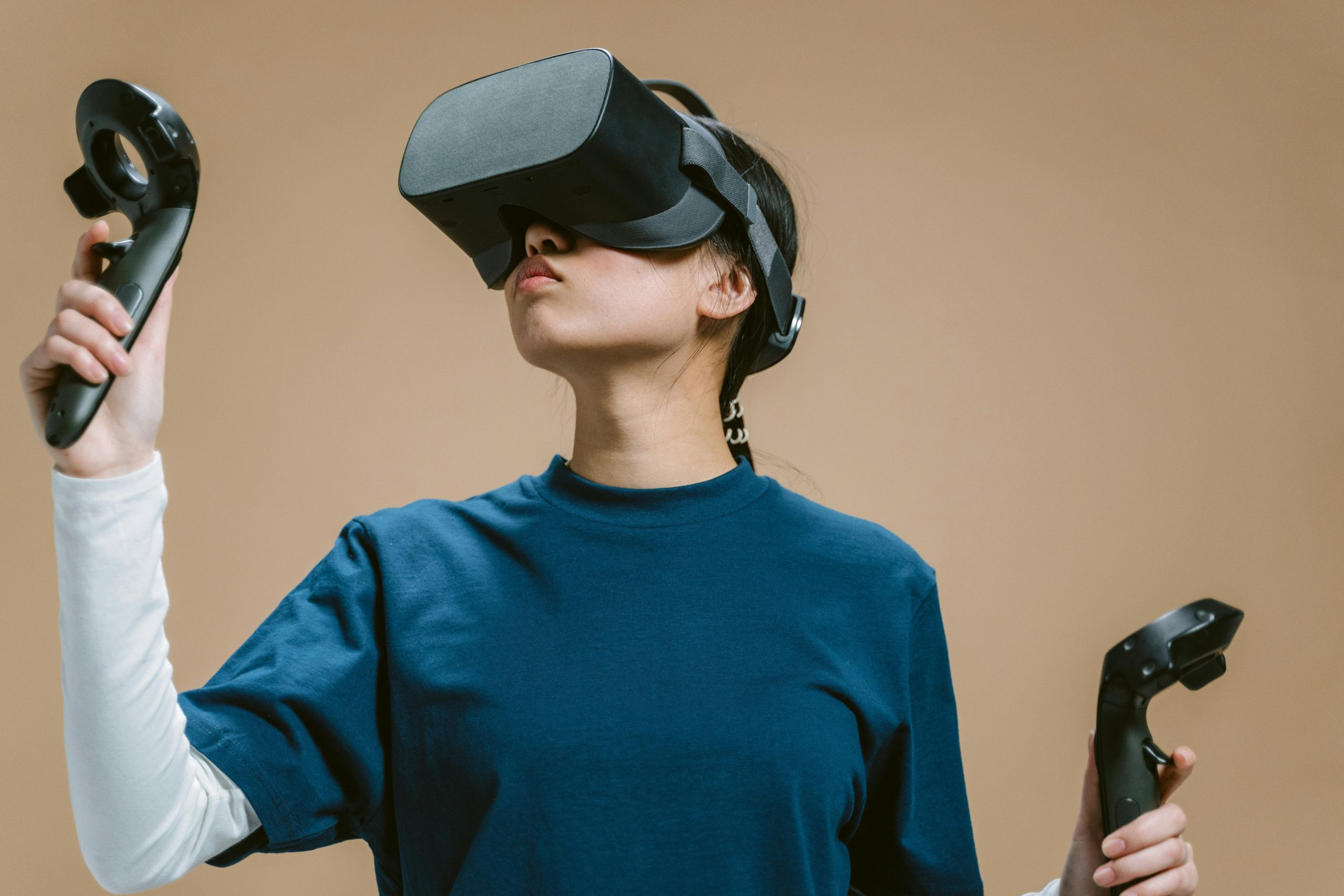
Virtual shopping experiences have come a long way in recent years. What started as simply browsing through products online has evolved into a fully immersive experience, thanks to the development of augmented reality (AR) technology. With the use of AR, customers can now visualize products in their own space, try them on virtually, and even see how they fit into their home before making a purchase. This technology has created a new era in the retail industry, and its potential for growth in the future is truly exciting.
The Current State of Augmented Reality in Virtual Shopping Experiences
Augmented reality is a technology that blends the virtual and real world together, creating an interactive experience for users. In the world of retail, this means that customers can now see and interact with products in a whole new way. By using a smartphone or a tablet, customers can bring products to life through AR, and this has led to a significant shift in the way that people shop.
The rise of AR in virtual shopping experiences has been gradual, but its impact has been enormous. The technology has transformed the online retail landscape, bringing brick-and-mortar shopping experiences to the convenience of one’s own home. Customers can now “try on” clothes, see how furniture fits into their space, and even visualize how a new car would look in their driveway – all without ever leaving their house.
The Benefits of Augmented Reality in Virtual Shopping Experiences
One of the main benefits of AR in virtual shopping experiences is the increased level of customer engagement. With the ability to visualize products in a more realistic setting, customers are more likely to feel confident in their purchase decisions. This not only leads to higher sales but also creates a more positive shopping experience for the customer.
AR also offers retailers insights into customer behavior and preferences. By tracking user interactions with AR features, retailers can better understand what products are popular and why. This allows for more targeted marketing strategies and the ability to tailor product offerings to meet customer demand.
Furthermore, the use of AR technology in virtual shopping experiences has the potential to decrease product returns. With the ability to try on clothes virtually, customers can get a more accurate sense of how an item will fit, leading to fewer returns due to sizing issues. This not only saves the customer the inconvenience of returning items but also saves retailers money and resources in handling returns.
The Future of AR in Virtual Shopping Experiences
There is no doubt that AR is here to stay in the world of virtual shopping experiences. According to a report by Grand View Research, the augmented reality market is expected to reach $75.2 billion by 2026, with retail being one of the key industries driving this growth.
As AR technology continues to advance, the possibilities for its use in virtual shopping experiences are endless. Retailers can now create more personalized and interactive experiences for their customers, such as using AR to showcase product features and customization options. This not only adds a wow factor to the shopping experience but also creates a stronger connection between the customer and the brand.
In addition, AR has the potential to bridge the gap between the online and in-store shopping experience. With the use of AR, customers can virtually try on and see products in-store before making a purchase, creating a seamless and cohesive shopping experience.
Challenges for the Future of AR in Virtual Shopping Experiences
Although the potential for AR in virtual shopping experiences is tremendous, there are still challenges that need to be addressed. One of the main challenges is ensuring that the technology is user-friendly and accessible to all. As with any new technology, there may be a learning curve for some customers, and it is important for retailers to provide support and guidance to help them navigate the AR features.
Moreover, retailers must also invest in the infrastructure and resources necessary to support the use of AR in virtual shopping experiences. This includes having a robust online platform, high-quality visuals, and efficient fulfillment processes to meet the demands of increased sales.
The Final Word
The future of augmented reality in virtual shopping experiences is undoubtedly bright. As technology continues to advance, so will the possibilities for creating more immersive and interactive shopping experiences. AR has the potential to revolutionize the retail industry, providing endless opportunities for customer engagement, personalization, and data insights. As a result, retailers who incorporate AR into their virtual shopping experiences will have a competitive advantage in the future retail landscape.
In conclusion, AR in virtual shopping experiences is not just a trend – it is here to stay. Its potential to transform the way we shop is immense, and retailers who embrace this technology will thrive in the ever-evolving world of retail. So, get ready for a future where virtual shopping is no longer just a substitute for in-store shopping but an experience in its own right.