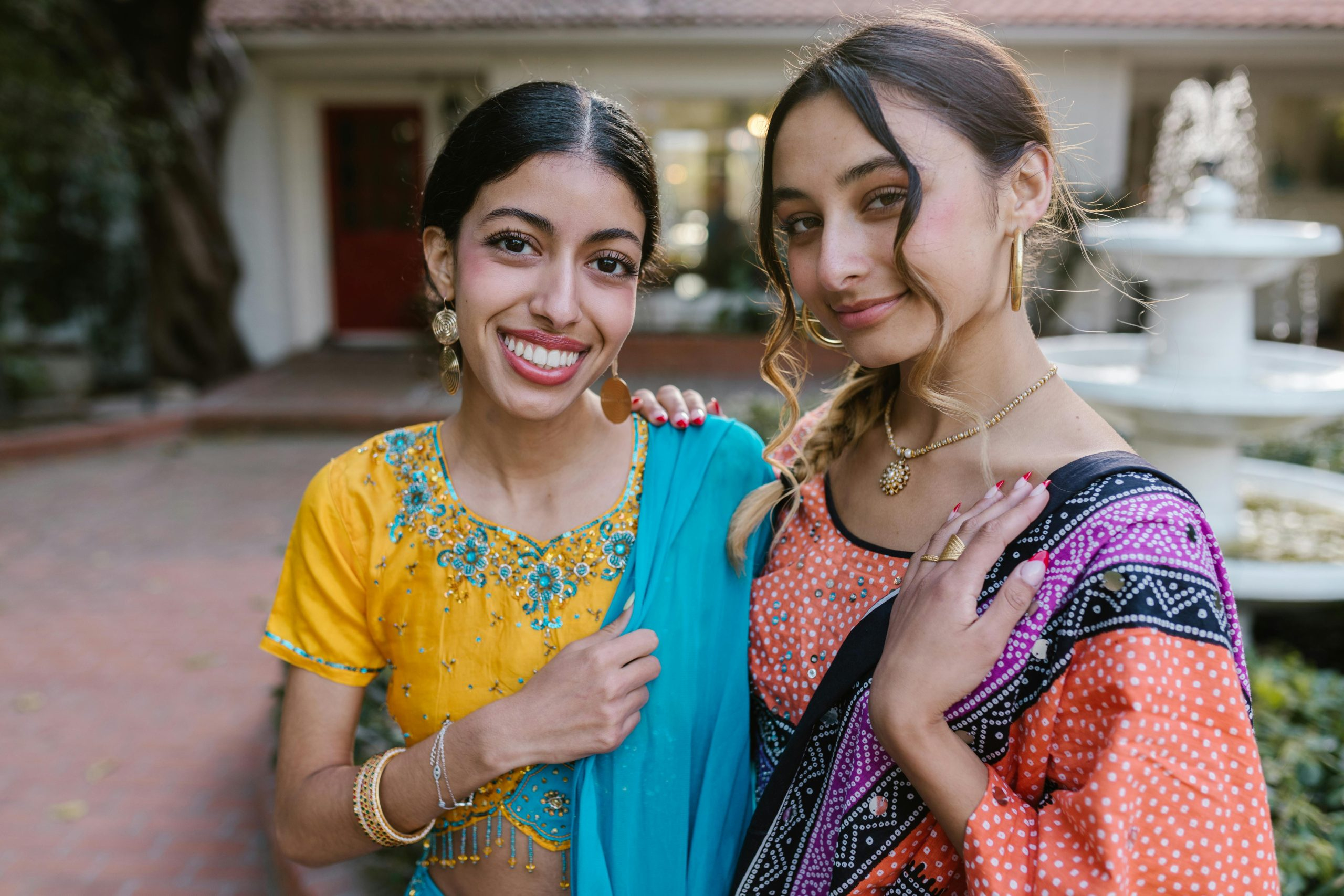
Fashion is not just about clothing and accessories, it is a powerful form of self-expression and a reflection of the society and culture we live in. In recent years, there has been a significant shift in the fashion industry towards a more inclusive and diverse approach, with a focus on incorporating cultural heritage into modern fashion design. This trend is not only aesthetically pleasing but also holds a deeper meaning and significance in terms of preserving and celebrating cultural heritage. In this article, we will explore the role of cultural heritage in modern fashion design and how it is shaping the future of the fashion industry.
The Power of Cultural Heritage
Cultural heritage refers to the cultural traditions, beliefs, customs, and artifacts that have been passed down through generations. It is an integral part of our identity and plays a crucial role in shaping our perception and understanding of the world. In the context of fashion, cultural heritage holds immense significance as it represents the diversity and uniqueness of different cultures. By incorporating elements of cultural heritage into fashion, designers are not only paying homage to their roots but also showcasing the beauty and richness of different cultures to a global audience.
Modern Fashion Design and Cultural Heritage
The fashion industry is constantly evolving, and designers are always on the lookout for new sources of inspiration. In recent years, there has been a growing interest in traditional clothing and techniques, leading to a resurgence of cultural heritage in modern fashion design. Many designers are embracing their heritage and infusing it into their collections, creating a fusion of traditional and modern styles. This not only adds a unique and refreshing element to their designs but also helps in preserving and promoting cultural heritage.
Incorporating Traditional Techniques
One of the ways in which designers are incorporating cultural heritage in modern fashion is by using traditional techniques in their designs. For example, traditional embroidery, printmaking, weaving, and dyeing techniques are being used to create modern and contemporary fashion pieces. This not only gives a new life to traditional techniques but also allows them to reach a wider audience through the medium of fashion.
Celebrating Diversity and Inclusivity
Incorporating cultural heritage in fashion also plays a significant role in promoting diversity and inclusivity. By showcasing different cultural traditions and styles, designers are opening the doors to a more inclusive and diverse fashion industry. This allows for representation and recognition of different cultures, not just in terms of clothing but also in terms of ideas, beliefs, and perspectives.
Preserving Traditional Art and Craft
With the rise of fast fashion, traditional art and craft techniques are at risk of being lost and forgotten. By incorporating them into modern fashion, designers are not only keeping these techniques alive but also providing a platform for traditional artisans and craftsmen to showcase their skills and earn a livelihood. This also leads to the preservation and protection of cultural heritage for future generations to appreciate and learn from.
The Future of Fashion Design
The incorporation of cultural heritage into modern fashion design has opened up a new realm of possibilities and potential in the fashion industry. It has sparked a conversation about cultural identity and diversity in fashion, resulting in a more conscious and responsible approach towards design. As we move towards a more globalized world, the infusion of cultural heritage in fashion will continue to play a significant role in shaping the future of the fashion industry.
In Conclusion
Cultural heritage has a powerful influence on modern fashion design, not just in terms of aesthetics but also in terms of preserving and promoting diversity and inclusivity. Through the fusion of traditional and modern styles, designers are able to showcase the beauty and richness of different cultures, while also creating a platform for traditional art and craft to thrive. This trend is not just a passing fad, but a crucial step towards a more inclusive and diverse fashion industry, one that celebrates and embraces all cultures and their unique traditions.