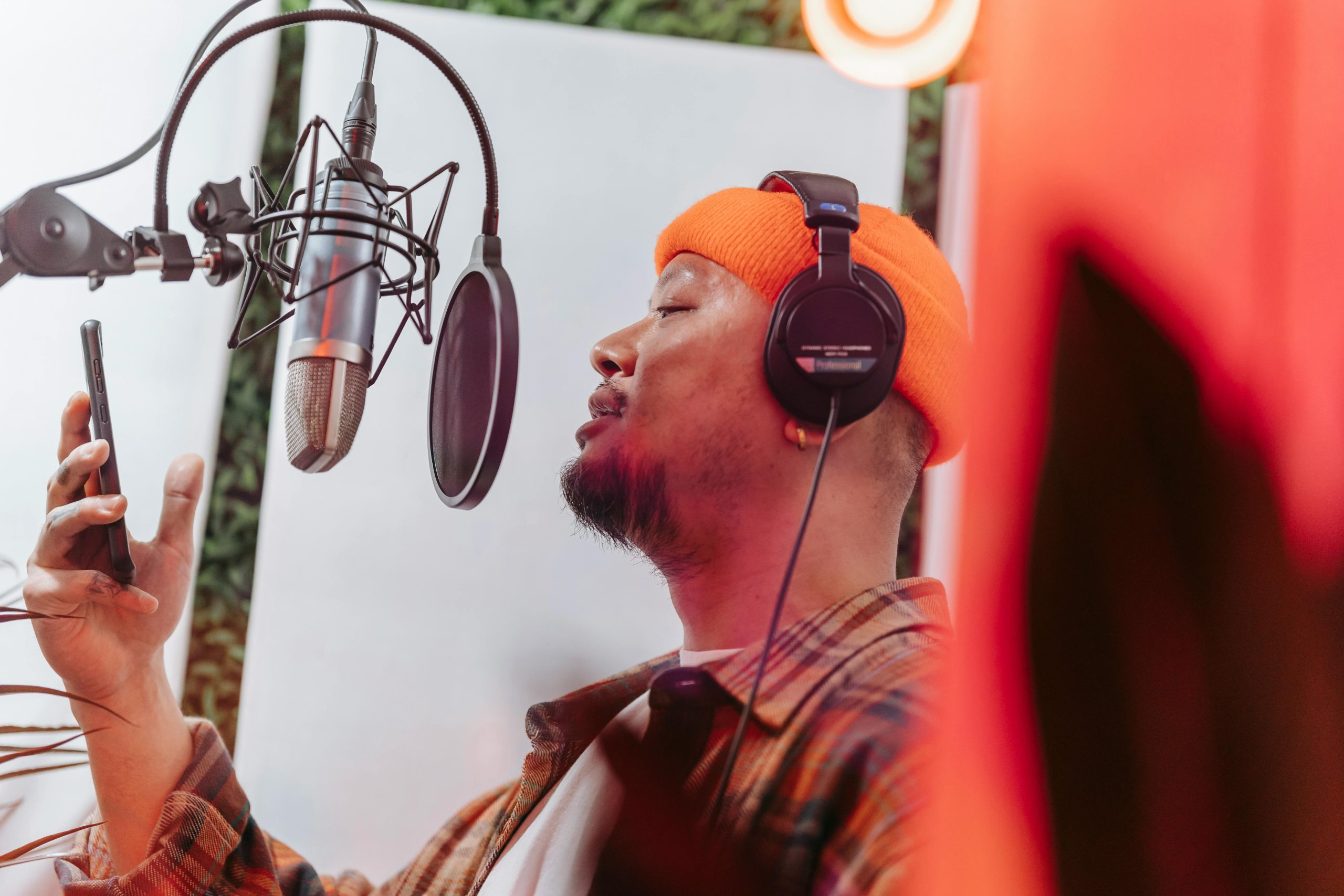
The hip hop genre has come a long way since its inception in the Bronx, New York in the 1970s. From its early days of block parties and turntables, hip hop has evolved into a multi-billion dollar industry and a dominant force in popular culture. One of the key elements of hip hop music is its production techniques, which have also undergone a significant evolution over the years. In this article, we will explore the evolution of hip hop production techniques and its impact on the genre today.
The Early Days of Hip Hop Production
In the early days of hip hop, production was a relatively simple process. DJs would use two turntables and a mixer to create the signature sound of hip hop music. The most common technique was “scratching”, where a DJ would manually manipulate the vinyl record to create rhythmic sounds and add breaks to the music. This technique, along with the use of samples, formed the basis of hip hop production in its early days.
The Emergence of Beat-Making
In the 1980s, hip hop producers began to move away from traditional DJ techniques and started using drum machines and samplers to create beats. This marked the beginning of beat-making, a process where producers would create their own samples and loops to incorporate into their music. This shift allowed for more creativity and experimentation in terms of sound, and led to the development of sub-genres such as boom bap and trap.
Sampling and Copyright Issues
Sampling has always been a crucial element of hip hop production, with producers borrowing and manipulating snippets of music from existing songs. However, this practice also led to numerous copyright issues and lawsuits, as sampling without permission was seen as a violation of intellectual property rights. As a result, producers had to become more strategic and creative in their sampling techniques, leading to the rise of interpolation and re-creating samples from scratch.
The Digital Age and Modern Production Techniques
The rise of digital technology in the 1990s brought about a major shift in hip hop production. Producers now had access to powerful software programs and digital instruments, allowing them to create complex and layered beats without the need for expensive equipment. This led to a new era of hip hop production, where producers could experiment with a wide range of sounds and effects, resulting in a more diverse and dynamic sound.
A Focus on Sound Design
With the increasing availability of software and plugins, modern hip hop producers have started to place a greater emphasis on sound design. This involves manipulating individual elements of a beat, such as drums, bass and synths, to create a unique and polished sound. The use of synthesis and effects has also become a staple in modern hip hop production, allowing producers to create futuristic and experimental sounds.
Collaboration and Hybrid Genres
The advent of online platforms has made it easier for producers to collaborate and share their work, leading to the merging of different production styles and techniques. This has resulted in the emergence of hybrid sub-genres, such as trap pop and emo rap, that blend elements of hip hop and other genres. This cross-pollination has led to a more diverse and dynamic hip hop landscape.
The Future of Hip Hop Production
As technology continues to advance, the future of hip hop production looks promising. Artificial intelligence and machine learning algorithms are being used to create beats and samples, which could potentially revolutionize the production process. Furthermore, the rise of virtual reality and augmented reality could allow for new and innovative ways of creating and experiencing music.
The Importance of Innovation and Creativity
Despite the advancements in technology, it is important for hip hop producers to continue pushing the boundaries and experimenting with new sounds and techniques. The success of recent breakout artists, such as Travis Scott and Billie Eilish, can be attributed in part to their unique and innovative production styles. As the saying goes, “evolve or die”, and in the fast-paced world of hip hop, this rings especially true.
In conclusion, hip hop production techniques have undergone a significant evolution over the years, driven by technological advancements, copyright issues, and a desire for innovation. From the simplistic DJ techniques of the early days to the complex and diverse production styles of today, hip hop music continues to evolve and push the boundaries of what is possible. It will be exciting to see how future generations of producers will continue to shape the sound and direction of this ever-evolving genre.